


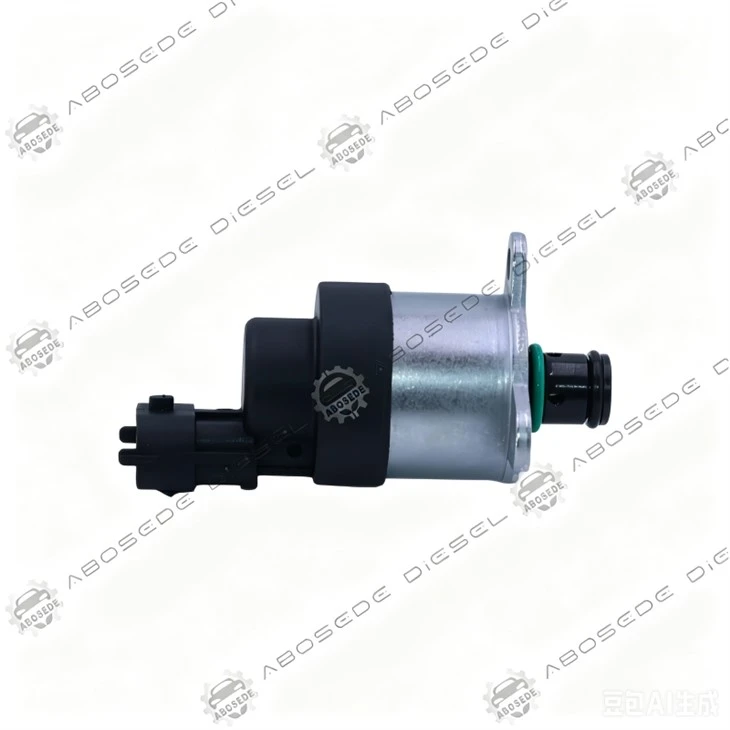

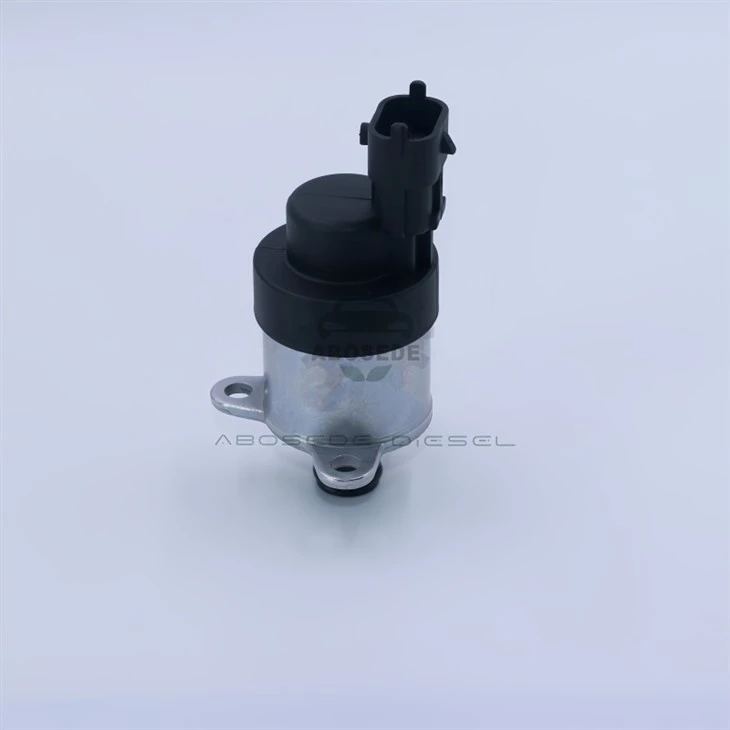
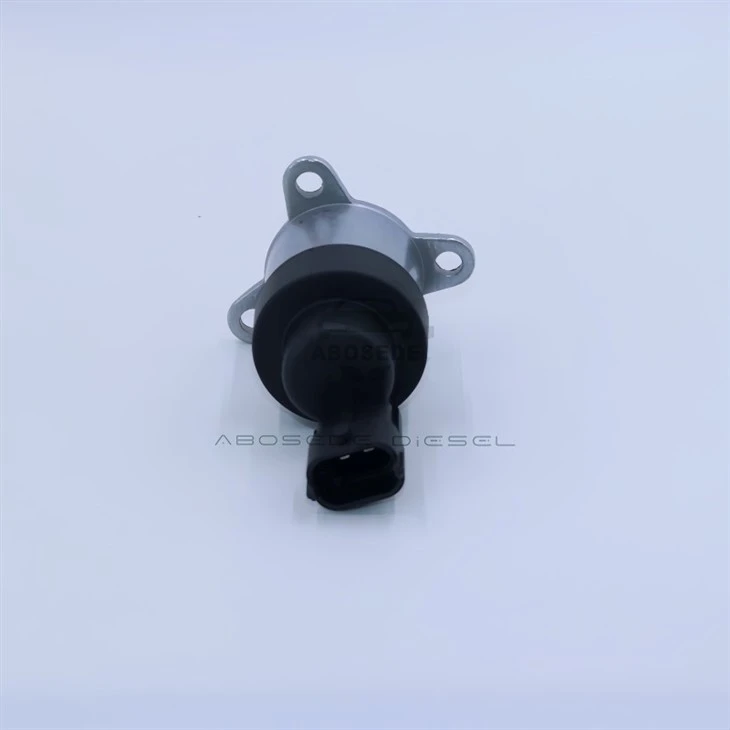
Bosch 0928400806 – The Metering Valve That Controls The Critical Hold Current For Position Stability
1. Product:0928400806
2. Compatible Equipment: Diesel Fuel Injection Systems
3. Manufacturer: Aftermarket OEM Replacement
4. Condition: Brand New, Fully Tested
5. Origin: ABOSEDE Diesel
6. Shipping period: 3-5 business days
7. Payment terms: T/T, Western Union, PayPal
- Fast Delievery
- Quality Assurance
- 24/7 Customer Service
Product Introduction
Inside every metering valve, there is an electrical parameter that is rarely discussed but is fundamental to the valve's precision - the critical hold current. This is the current required to keep the armature in a specific position against the spring force and the hydraulic forces acting on it. If the hold current changes, the armature moves, and the fuel delivery changes. The 0928400806 is engineered with a hold current characteristic that is stable across the full temperature range, ensuring that the armature remains in its commanded position even as the engine warms up. It is a valve that stays where the ECU puts it.
The Hold Current Concept – Why It Matters More Than Peak Current
When the ECU first energises the metering valve, it applies a high "pull-in" current to overcome the static friction and the spring force - typically 8-10 A. Once the armature has moved to the commanded position, the ECU reduces the current to a lower "hold" current - typically 4-6 A - which is sufficient to keep the armature in place. The hold current is critical because it determines the armature's position stability. If the hold current is too low, the armature may drift toward the spring; if it is too high, the armature may be pulled further closed. The hold current required is determined by the balance of forces - the spring force and the hydraulic force. The 0928400806 uses a calibrated spring and a magnetic circuit that maintain a consistent hold current requirement across the temperature range, ensuring that the armature remains stable.
How the Hold Current Is Maintained
The hold current is determined by the coil resistance, the inductance, and the ECU's PWM strategy. The 0928400806 uses a coil with a resistance of 2.45 Ω at 20 °C, which is lower than the industry average to reduce the effect of resistance drift on the hold current. The coil is wound with a high-temperature wire that maintains its resistance within a narrow band across the temperature range. The magnetic circuit is designed so that the armature has a stable magnetic force curve - the force does not change significantly with small changes in the current. This means that even if the hold current varies slightly due to resistance changes, the armature position does not change. The spring is also calibrated to provide a consistent opposing force across the temperature range.
Failure Patterns – When the Hold Current Shifts
The hold current requirement can shift if the spring loses tension or if the magnetic circuit degrades. A loss of spring tension reduces the opposing force, so the armature moves further closed for the same hold current. A degradation of the magnetic circuit - for example, a loss of permeability in the core material - reduces the magnetic force, so the armature moves open for the same hold current. The first symptom is often a drift in the fuel trim - the ECU adjusts the duty cycle to compensate for the changed armature position. The genuine 0928400806 uses a spring that is pre-cycled during manufacture to stabilise its tension, and a magnetic circuit that is designed to resist permeability loss.
Installation – The Hold Current Verification
Installing the 0806 is similar to other CP4 valves - clean the mounting surface, replace the O-ring and backup ring, torque the retaining nut to 23 Nm ± 2 Nm. However, there is a specific verification step: verify the hold current after installation. Using a diagnostic tool, measure the current to the metering valve at idle. It should be within the specified range for the engine application. If the current is significantly higher or lower, the spring or the magnetic circuit may be compromised. The verification step is quick and provides confidence that the valve is functioning correctly.
Frequently Asked Questions
Q1: How can I tell if my valve's hold current has shifted without using special equipment?
→ Monitor the metering valve duty cycle at idle - if the duty cycle has increased or decreased from the normal value, the hold current requirement may have changed. A well-functioning 0806 will have a stable duty cycle at idle.
Q2: Can I use the 0928400806 on a VW Touareg that originally used the 0774?
→ Yes, in most CP4.2 applications. The 0806 is the latest generation with improved hold current stability. Always verify compatibility with the engine's calibration.
Q3: Why does my engine have a rough idle that is worse when the engine is hot?
→ This is often caused by a hold current shift that is temperature-dependent - the spring or the magnetic circuit is affected by the heat. The 0806 is designed to maintain hold current stability across the full temperature range, so this symptom is less likely with this valve.
Q4: What is the most common cause of hold current shift in this valve?
→ Spring relaxation - the spring loses tension over time, reducing the opposing force and shifting the armature position. The 0806 uses a pre-cycled spring to resist this relaxation, but in high-mileage vehicles, the spring can eventually lose tension.
Q5: I replaced the valve but the idle duty cycle is still different from the specification - is the valve defective?
→ Check the rail pressure sensor - a drifting sensor can cause the ECU to command a different duty cycle, which will change the hold current. Also, check the inlet pressure - if it is not within specification, the hydraulic force on the armature is different, changing the hold current requirement.
Q6: Does the hold current requirement change with the fuel temperature?
→ Yes, slightly. The fuel viscosity changes with temperature, which changes the hydraulic force on the armature. The 0806 is designed to maintain hold current stability, but a small change is normal and is compensated by the ECU's temperature compensation.


Flexible Payment Methods for Your Convenience
To make your purchasing experience smooth and easy, we offer a variety of secure payment options:

Bank Transfer
Supports multiple currenciesand bank payment methods.

Western Union
Quick and global money transfers.

PayPal
Safe and convenient online payment.

Alibaba
Enjoy extra protection with trusted Alibaba transactions.
We're here to make your order process worry-free - choose the payment method that works best for you!
Shipping Made Simple

Customer reviews

Hot Tags: bosch 0928400806 – the metering valve that controls the critical hold current for position stability, China bosch 0928400806 – the metering valve that controls the critical hold current for position stability manufacturers, suppliers, factory, 0445120066, 0445120067, Bosch CR Injectors, bosch valve, F00RJ01479, Fuel Injector Valve
You Might Also Like
-

Bosch 0928400664 Fuel Metering Valve | OEM Suction S...
-

0928400498 Bosch Fuel Metering Valve – High-Altitude...
-

0928400493 Bosch Fuel Metering Valve – Injector Back...
-

0928400698 Bosch Fuel Metering Valve – Hot Restart P...
-

0928400726 Bosch Inlet Metering Valve – High-Duty Ma...
-

0928400653 Bosch Inlet Metering Valve – Injector Ret...
