


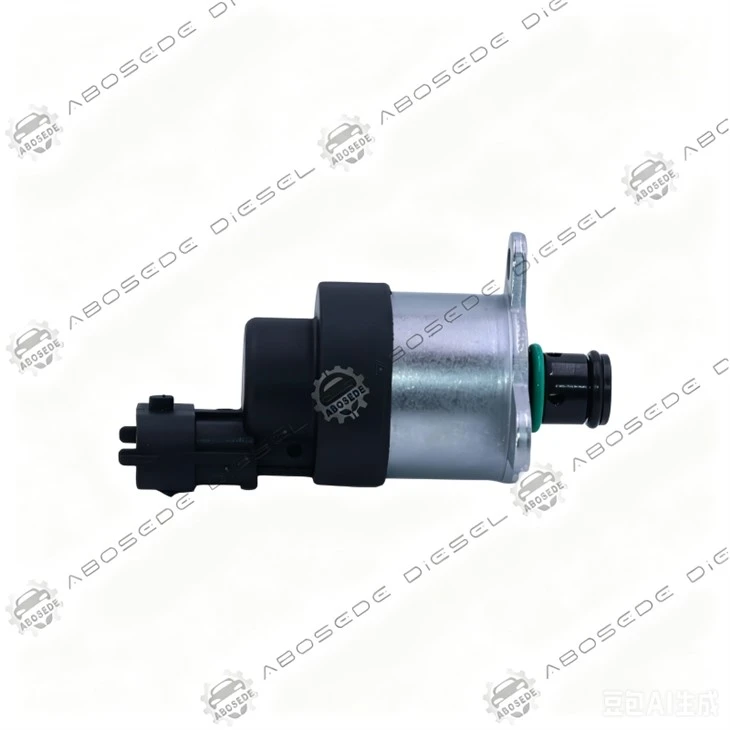

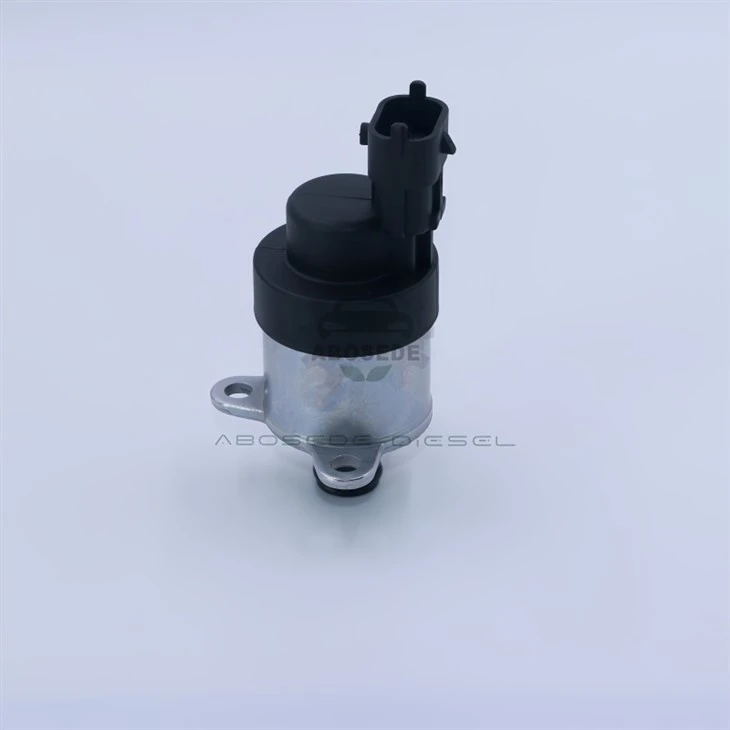
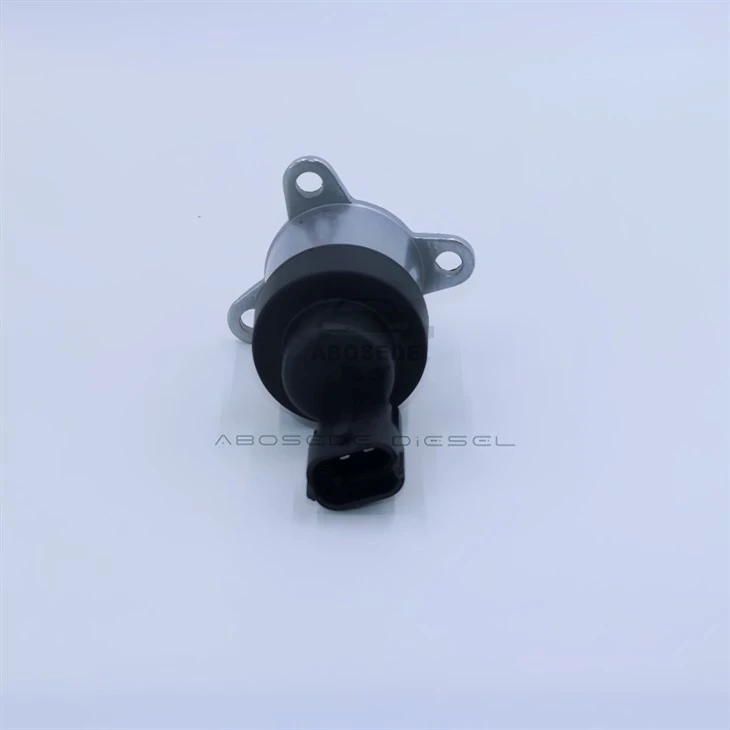
0928400493 Bosch Fuel Metering Valve – Injector Back-Leakage Compensation & Stable Idle Rail Pressure For CP3/CP1H Pumps On Heavy-Duty Diesel Engines
1. Product:0928400493
2. Compatible Equipment: Diesel Fuel Injection Systems
3. Manufacturer: Aftermarket OEM Replacement
4. Condition: Brand New, Fully Tested
5. Origin: ABOSEDE Diesel
6. Shipping period: 3-5 business days
7. Payment terms: T/T, Western Union, PayPal
- Fast Delievery
- Quality Assurance
- 24/7 Customer Service
Product Introduction
The 0928400493 is a Bosch inlet metering valve for CP3 and CP1H high-pressure common rail pumps. A significant portion of the fuel supplied to a common rail system never reaches the combustion chambers. Every injector has an internal back-leakage path - a controlled flow of fuel that passes through the injector's needle guidance bore and solenoid armature clearance, then returns to the tank through the leak-off line. This back-leakage cools and lubricates the injector's internal components. At hot idle, four or six injectors can collectively return 60–120 mL of fuel per minute without contributing a single drop to engine power. The metering valve must supply this back-leakage flow in addition to the injected fuel quantity. If the valve cannot accurately match the injectors' combined leak-off demand at idle, rail pressure drifts upward or downward, and the engine computer enters a continuous correction cycle. The 0928400493 is calibrated to provide precise low-flow control that matches pump output to total injector demand - injection quantity plus back-leakage - maintaining stable rail pressure at idle and light load. This valve fits heavy-duty diesel engines using Bosch CP3 or CP1H high-pressure pumps.
Injector Back-Leakage - The Hidden Fuel Demand
Every common rail injector leaks a small amount of fuel internally by design. This leak-off flow passes through the needle guidance clearance and the solenoid armature gap, absorbing heat from the injector's internal components before returning to the tank. At full load, back-leakage is a small fraction of total fuel flow - perhaps 2–4%. At hot idle, the situation reverses. The injection quantity is tiny - a few cubic millimeters per stroke. The back-leakage continues at nearly the same rate regardless of how much fuel is being injected, because it depends primarily on rail pressure and fuel viscosity, not on injection quantity. At idle, the total back-leakage from all injectors can equal or exceed the injection quantity. The metering valve must supply both. If the valve's low-flow calibration has drifted, it may deliver too much fuel, causing rail pressure to creep upward, or too little, causing a pressure sag. The engine computer detects the deviation and applies a correction, but the correction always lags slightly behind the error, creating a continuous small oscillation in rail pressure and engine speed.
Why Back-Leakage Changes with Temperature and Age
Injector back-leakage is not a fixed number. It varies with fuel temperature, rail pressure, and injector wear. Cold fuel is thicker - back-leakage is lower. Hot fuel is thinner - back-leakage increases, sometimes by 30–50% from cold idle to fully warm idle. Injectors that have accumulated high mileage develop larger internal clearances through normal wear, increasing their back-leakage further. The engine computer does not have a sensor that directly measures back-leakage flow. It knows only the rail pressure, the injection quantity it has commanded, and the metering valve duty cycle it is applying. When back-leakage changes - due to fuel warming up or injector aging - the computer detects the resulting rail pressure shift and adjusts the metering valve accordingly. A healthy valve with accurate low-flow control makes this adjustment seamlessly. A valve with poor low-flow precision or a non-linear response in the small-opening range cannot track the change smoothly. The idle becomes uneven, and the hot idle duty cycle drifts upward over time as the computer works harder to compensate.
Separating Back-Leakage Issues from Valve Problems
Elevated injector back-leakage and a worn metering valve can produce similar symptoms - rising idle duty cycle, unstable idle, and increased fuel consumption. The key diagnostic distinction is the injector leak-off test. Measure each injector's back-leakage volume at hot idle using graduated cylinders connected to the leak-off ports. Normal back-leakage is typically 10–30 mL per minute per injector at hot idle, with all injectors within 20% of each other. If the back-leakage volumes are within specification and balanced across cylinders, but the hot idle duty cycle is elevated above 30%, the metering valve is the likely source of the problem. If one or more injectors show excessive back-leakage, those injectors need attention first, though the metering valve may also have been working harder to compensate and could be near the end of its service life. Performing both tests - injector leak-off measurement and metering valve duty cycle check - provides a complete picture.
Diagnostic Indicators
Two parameters help evaluate whether the metering valve is struggling with back-leakage compensation. First, the hot idle duty cycle. On a healthy 0928400493, this should read 18–25% with the engine fully warm and all accessories off. A value that has drifted above 30% indicates the valve is working harder than designed to maintain idle pressure. Second, the rail pressure stability at hot idle. Using a diagnostic scan tool, observe the rail pressure actual value with the engine warm and idling. A healthy valve holds the pressure steady within ±1.5 MPa. A valve that is struggling with back-leakage compensation often shows a slow, rhythmic pressure oscillation - the pressure gradually rises, the computer corrects it downward, it gradually falls, the computer corrects it upward. This 1–2 Hz cycle is the signature of a valve operating at the edge of its low-flow capability.
Frequently Asked Questions
Q1: My truck idles smoothly when cold but develops a rough idle after the engine warms up. Injectors tested fine. Could the metering valve be the cause?
Yes. Cold fuel has higher viscosity, so injector back-leakage is lower. The metering valve operates at a slightly higher duty cycle where its low-flow precision is less critical. As the fuel warms and thins, back-leakage increases, and the valve's operating point shifts into the low-flow region where worn valves often struggle. The 0928400493 maintains accurate low-flow control at hot idle, eliminating this temperature-dependent idle roughness.
Q2: How can I tell whether rough idle is from injector back-leakage or from the metering valve?
Perform an injector leak-off test. If all injectors show normal, balanced back-leakage, the metering valve is the likely cause. If one or more injectors show high back-leakage, those injectors are contributing to the problem, but the metering valve may also be worn from compensating. Both should be evaluated.
Q3: Can a worn metering valve cause injectors to wear out faster?
Indirectly, yes. If the metering valve cannot hold stable rail pressure at idle, the resulting pressure oscillations can affect injector needle seating. This can accelerate wear on the nozzle seat. Fixing the metering valve helps protect the injectors.
Q4: Does the 0928400493 require any adjustment for engines with slightly higher injector back-leakage due to age?
No. The valve's calibration covers the normal range of back-leakage for the specified engine applications. The engine computer adapts the fuel trim values to match the specific injectors. The valve's role is to provide consistent, accurate flow at the commanded duty cycle so the computer's adaptations are effective.
Q5: What baseline should I record after installing the 0928400493?
Record the hot idle duty cycle, the rail pressure stability at hot idle, and if possible, the total injector back-leakage volume. These three values provide a complete baseline for future comparison. A shift in any of them signals a change in the fuel system that should be investigated.
Q6: Can the 0928400493 compensate for excessively worn injectors with very high back-leakage?
The valve can supply the additional flow, but it is not a solution for worn injectors. If injector back-leakage exceeds the manufacturer's specification, the injectors should be replaced. Running with excessively high back-leakage puts extra load on the entire fuel system and can reduce fuel economy even with a new metering valve.


Flexible Payment Methods for Your Convenience
To make your purchasing experience smooth and easy, we offer a variety of secure payment options:

Bank Transfer
Supports multiple currenciesand bank payment methods.

Western Union
Quick and global money transfers.

PayPal
Safe and convenient online payment.

Alibaba
Enjoy extra protection with trusted Alibaba transactions.
We're here to make your order process worry-free - choose the payment method that works best for you!
Shipping Made Simple

Customer reviews

Hot Tags: 0928400493 bosch fuel metering valve – injector back-leakage compensation & stable idle rail pressure for cp3/cp1h pumps on heavy-duty diesel engines, China 0928400493 bosch fuel metering valve – injector back-leakage compensation & stable idle rail pressure for cp3/cp1h pumps on heavy-duty diesel engines manufacturers, suppliers, factory, 0445120066, 0445120067, bosch valve, Bosch Volvo Deutz Renault, F00BC80045, F00RJ01479
You Might Also Like
-

0928400654 Bosch Fuel Metering Valve – Stable Pump T...
-

0928400627 Bosch Fuel Metering Valve – Return Spring...
-

0281006032 Bosch Common Rail Pressure Control Valve ...
-

Bosch 0445224047 — Common-Rail Fuel Distributor Pipe...
-

0928400825 Fuel Metering Valve For Bosch CP1/CP3 Die...
-

0445120385 Control Valve Plunger & Valve Seat For BO...
