


The Bosch Parts Manufacturer!
Abosede is a leading company in the automotive parts industry, specializing in the development, production, and sales of diesel injection system components, including fuel pumps, injector assemblies, spare parts, and repair kits.
-
![Bosch 0445020241 Fuel Pump]() Add to Inquiry
Add to Inquiry -
![Bosch CB18 Common Rail High-Pressure Fuel Pump 0445025040]()
Bosch CB18 Common Rail High-Pressure Fuel Pump 0445025040
Add to Inquiry -
![0445020606 Original Bosch Pump]()
0445020606 Original Bosch Pump
Add to Inquiry -
![Fuel Injection Pump 0445020617]()
Fuel Injection Pump 0445020617
Add to Inquiry -
![Bosch CP2.2 Common Rail Diesel Fuel Injection Pump 0445020116]()
-
![New Diesel Injection Fuel Pump 0445010512 Diesel Pump for IVECO]()
-
![0460426254 – High-Pressure Bosch Inline Fuel Injection Pump For Commercial Diesel Platforms]()
-
![0460426151 (R373-5) – Precision VE Distributor Pump For Heavy-Duty Diesel Applications]()
-
![Bosch Common Rail Injector 0445110560 | OEM Replacement 04132013 For Deutz Engines]()
-
![Bosch VE Pump 504079490 / 0460426395 – The Hydraulic Brain Of Distributor-Type Fuel Systems]()
-
![Bosch CP2.2 High-Pressure Common Rail Fuel Pump]()
Bosch CP2.2 High-Pressure Common Rail Fuel Pump
Add to Inquiry -
![Bosch CP3.3 Fuel Transfer Pump – Genuine High-Pressure Common-Rail Supply Solution]()

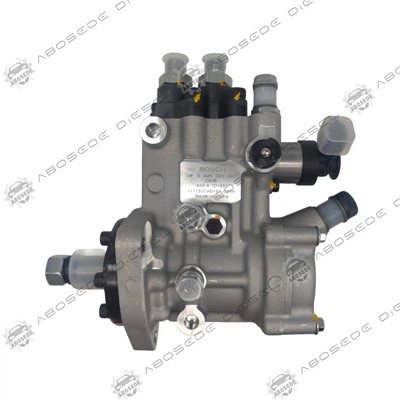


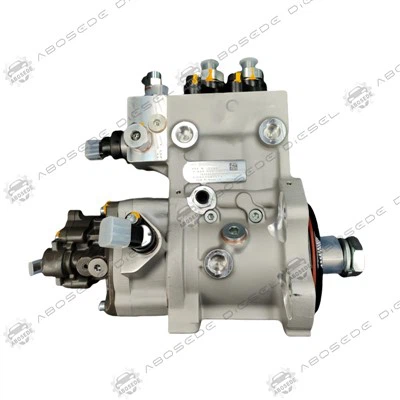


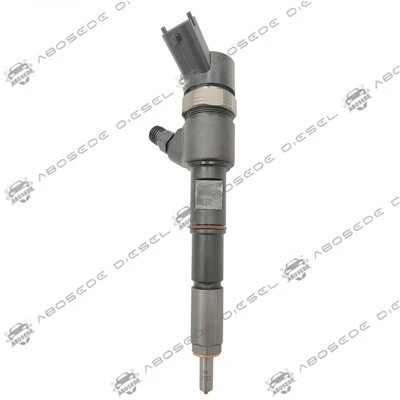
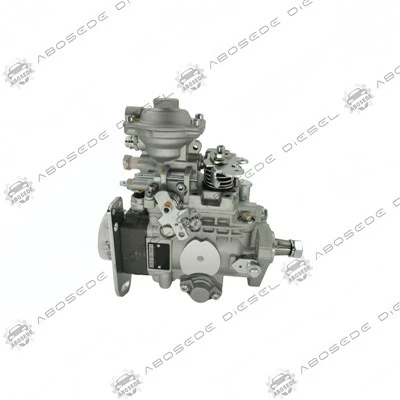
Why choose us
Rich experience
Our company boasts a highly skilled technical team, covering R&D, production, quality control, marketing, and customer service.
Product application
Our products are widely used in commercial vehicles, construction machinery, and diesel-powered equipment, reaching customers in multiple countries and regions worldwide and earning their trust and recognition.
Customized High-Pressure Solutions
We offer OEM customization services for specialized high-pressure pumps and AdBlue® injection systems, tailored to meet unique customer requirements for emissions compliance, power delivery, and special applications.
Sales market
Our global presence includes in Brazil, Ecuador, Peru, Colombia, Turkey, UAE, Iran, Morocco, Egypt, Lebanon, and Russia ,etc. helping us understand diverse market needs.
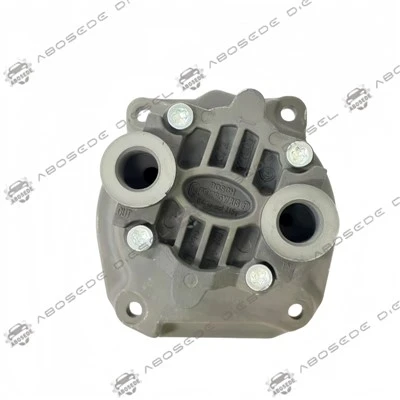
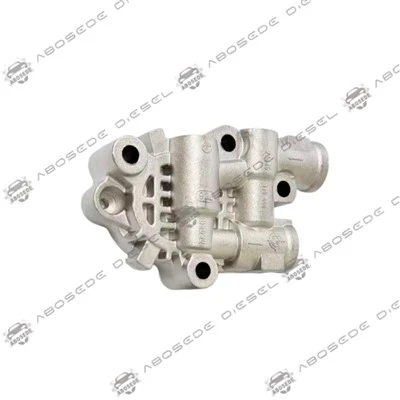
Bosch 0445020241 Fuel Pump
OEM Part No.
0445020241 (Bosch 9-digit classification)
Pump Series
CP3 high-pressure fuel pump
Generation
2nd-gen common rail (2008-2016 production)
Market Position
OE replacement for mid-range diesel applications
Application Coverage of 0445020241 fuel pump
Passenger Vehicles
Typical Models:
VW Group: Golf VI 2.0TDI (CJCB engine), Audi A4 B8 2.0TDI
BMW: E90 320d (N47D20C engine)
Mercedes: W204 C220 CDI (OM651.921)
Compatibility Notes:
Requires Delphi DCR1400 common rail system
Euro V emission compliant
Commercial Vehicles
Key Applications:
Iveco F1C 3.0L engine
Ford Transit 2.2L Duratorq (2012-2016)
Mitsubishi 4N15 diesel (Asian markets)
Special Configurations:
Reinforced bearings (NSK 6206-C3)
Anti-corrosion coating (≥720h salt spray tested)
Off-Road Equipment
Construction Machinery:
Komatsu PC200-8 excavator (SAA6D107E-1 engine)
Volvo EC220B excavator
Generator Sets:
Perkins 1104D-44T
Cummins QSB6.7
Housing
The housing of a fuel pump is the outer shell that contains all the internal components. It is usually made from metal or durable plastic materials to withstand the rigors of continuous operation and the corrosive nature of fuel.
Inlet and Outlet Ports
The inlet and outlet ports on a fuel pump allow fuel to flow in and out of the pump. The inlet port connects to the fuel tank or fuel line, drawing fuel into the pump, while the outlet port delivers the pressurized fuel to the engine's fuel injection system or carburetor.
Pumping Mechanism
The pumping mechanism is the heart of the fuel pump, responsible for creating the pressure necessary to move fuel through the system. Mechanical fuel pumps use a diaphragm and lever mechanism, while electric fuel pumps utilize various designs, such as roller-vane, turbine, or gerotor-style pumps.
Electric Motor (Electric Fuel Pumps)
The electric motor in an electric fuel pump powers the pumping mechanism. It is usually a compact, brushless DC motor designed for efficient and reliable operation.
Check Valve
The check valve is a one-way valve that ensures fuel flows in the correct direction, preventing fuel from flowing back into the pump or tank when the engine is not running.
Pressure Regulator
The pressure regulator is used in some fuel pump designs to maintain a consistent fuel pressure throughout the fuel system. It can be built into the fuel pump or located separately within the fuel system.
Fuel Filter or Strainer
A fuel filter or strainer is often integrated into the fuel pump to remove contaminants from the fuel before it enters the engine. This helps protect the engine and fuel system components from damage and ensures optimal performance.

OEM Quality & Reliability
Manufactured by Bosch, ensuring high-quality standards and dependable performance.
High-Pressure Fuel Delivery
Designed to deliver fuel at high pressures, optimizing combustion efficiency.
Compatibility with Cummins Cop4.2 Engine
Specifically engineered for seamless integration with Cummins Cop4.2 engines.
Durable Construction
Built with robust materials to withstand demanding operating conditions.
Applications
Automotive Engines
Optimizes fuel efficiency and throttle response in passenger cars, SUVs, and light-duty trucks.
01
Commercial Vehicles
Ensures reliable performance in diesel-powered vans, buses, and delivery trucks.
02
Industrial & Agricultural Machinery
Supports heavy-duty equipment such as tractors, generators, and construction vehicles.
03
Marine Engines
Provides consistent fuel supply in marine propulsion systems.
This pump is critical for maintaining engine performance, reducing carbon deposits, and meeting modern emission standards. Proper installation and periodic maintenance are recommended to ensure longevity and peak operation.
04
Types of Fuel Injection Pumps in Diesel Engines
Inline Injection Pumps
Inline injection pumps are among the most traditional and durable types of fuel injection systems used in diesel engines.
These pumps have been in service for decades and are often found in larger, older engines due to their robust construction and reliable performance.
The inline injection pump is characterized by its multi-cylinder design, with each cylinder having a dedicated plunger-and-barrel assembly.
These assemblies are arranged in a linear fashion, corresponding to the number of engine cylinders.
Each plunger is driven by a camshaft, which is synchronized with the engine's crankshaft.
This synchronization ensures that the fuel is injected into each cylinder at the optimal time during the combustion cycle.
Distributor (Rotary) Injection Pumps
Distributor or rotary injection pumps represent an evolution in diesel injection technology, designed to offer a more compact and lightweight solution for fuel delivery.
These pumps are commonly used in light to medium-duty diesel engines, such as those found in passenger vehicles, small trucks, and agricultural equipment.
Unlike inline pumps, which have a separate plunger for each cylinder, distributor pumps use a single plunger to serve all the cylinders.
The pump features a rotating distributor head that directs the high-pressure fuel to the appropriate cylinder's injector.
Common Rail Injection Pumps
Common rail injection systems represent the cutting edge of diesel fuel injection technology. Introduced to meet the growing demands for improved engine performance, fuel efficiency, and reduced emissions, common rail systems are now standard in most modern diesel engines, from passenger cars to heavy-duty trucks.
We're professional bosch parts manufacturers and suppliers in China, specialized in providing high quality customized service. We warmly welcome you to wholesale discount bosch parts for sale here from our factory.
