


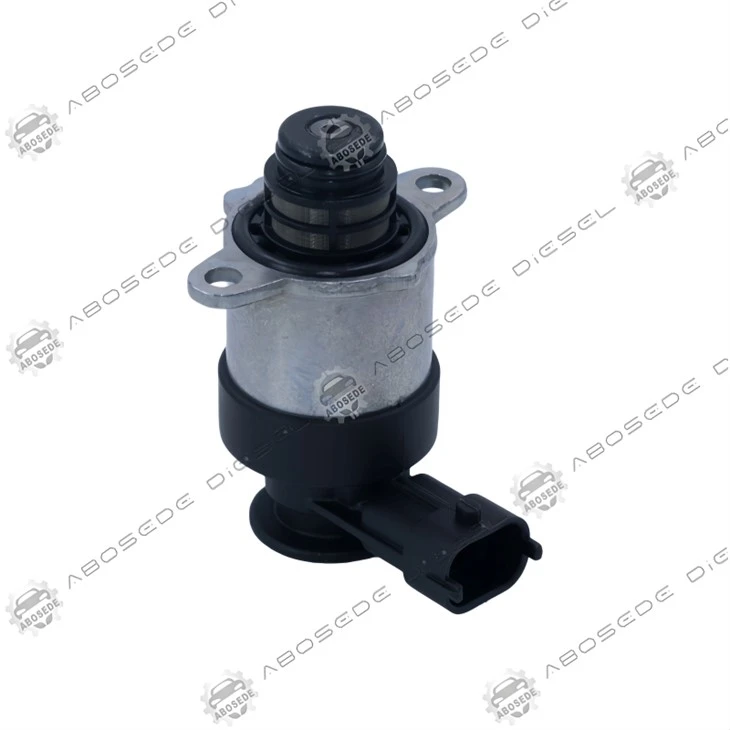

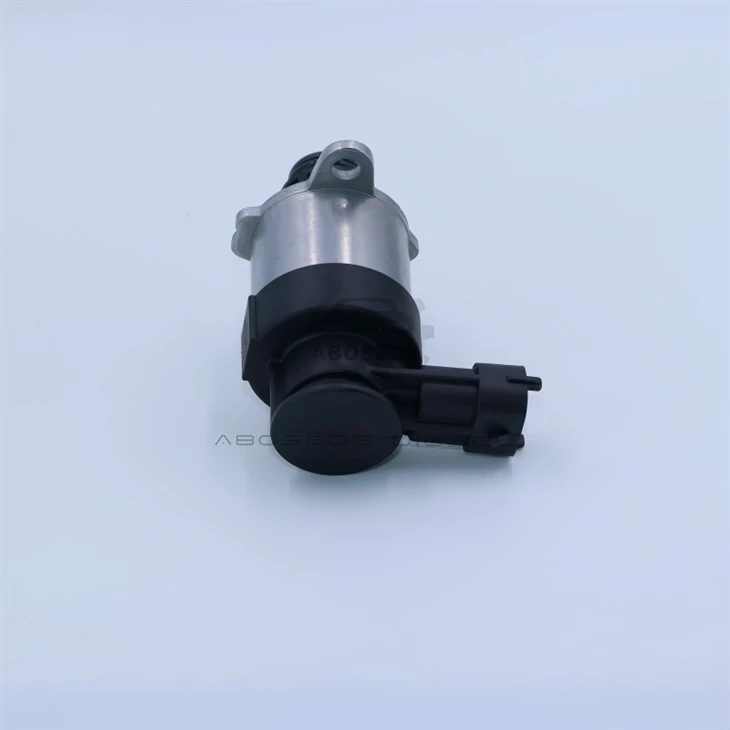
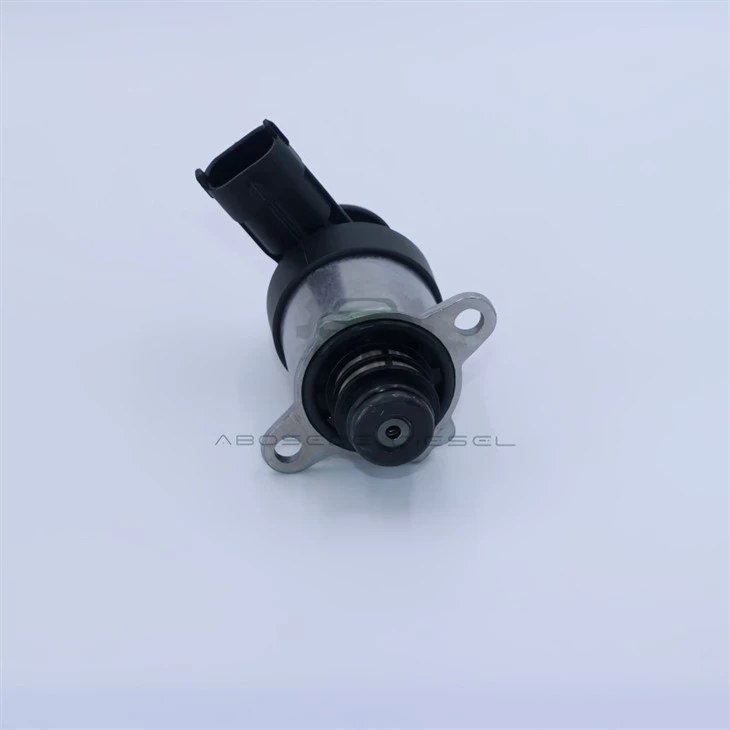
0928400498 Bosch Fuel Metering Valve – High-Altitude Fuel Adaptation & Reliable Operation Across Elevation Ranges For CP3/CP1H Pumps On Heavy-Duty Diesel Engines
1. Product:0928400498
2. Compatible Equipment: Diesel Fuel Injection Systems
3. Manufacturer: Aftermarket OEM Replacement
4. Condition: Brand New, Fully Tested
5. Origin: ABOSEDE Diesel
6. Shipping period: 3-5 business days
7. Payment terms: T/T, Western Union, PayPal
- Fast Delievery
- Quality Assurance
- 24/7 Customer Service
Product Introduction
The 0928400498 is a Bosch inlet metering valve for CP3 and CP1H high-pressure common rail pumps. Trucks operating across wide elevation ranges face a specific challenge: as altitude increases, air density decreases. The engine computer reduces fuel delivery to match the thinner air, keeping the air-fuel ratio correct and preventing black smoke. The metering valve must deliver these smaller, more precise fuel volumes accurately, often at duty cycles near the lower end of its operating range. Meanwhile, the reduced atmospheric pressure lowers the fuel's boiling point and changes how the lift pump pressurizes the inlet circuit. A valve not designed to handle these conditions may struggle with low-flow accuracy or cavitation. The 0928400498 is built with the precise low-flow control and internal flow geometry needed for consistent fuel delivery from sea level to high mountain passes. It fits heavy-duty diesel engines using Bosch CP3 or CP1H high-pressure pumps.
The Effect of Altitude on Fuel Demand
At sea level, air is dense. A truck engine can burn a lot of fuel efficiently because there is plenty of oxygen to complete combustion. At 2,500 meters, air density is roughly 25% lower. The engine computer, using inputs from the barometric pressure sensor and mass airflow sensor, reduces the fuel quantity to match. The metering valve spends more time in its low-flow operating range. At sea level, highway cruise might require a 40–50% duty cycle. At high altitude, the same road speed may need only 25–30%. The valve must be accurate in this lower range. If it has poor low-flow linearity or stiction, the altitude-induced shift exposes these weaknesses. The engine computer issues small corrections, the valve hesitates, and the rail pressure oscillates. The 0928400498's flow calibration extends accurate proportional control well into the low-duty-cycle region, ensuring smooth fuel delivery even when the engine is operating well below its maximum output.
Reduced Atmospheric Pressure and Cavitation Risk
Altitude does not just change the engine's fuel demand. It changes the physical conditions under which the fuel system operates. At 3,000 meters, atmospheric pressure is roughly 700 millibar - about 30% lower than at sea level. The lift pump, which generates a fixed pressure differential above ambient, delivers fuel at a lower absolute pressure. This narrows the margin between the fuel's vapor pressure and the local pressure in the pump inlet. Cavitation - the formation and violent collapse of vapor bubbles - becomes more likely. Cavitation damages pump components and disrupts fuel delivery. The 0928400498's internal flow passages are designed to minimize the pressure drop across the metering slots, preserving cavitation margin. A progressively radiused inlet geometry and smooth flow transitions keep local velocities controlled. This allows the valve and pump to operate reliably across the elevation ranges found in commercial trucking - from coastal ports to Andean, Himalayan, or Rocky Mountain crossings.
Low-Flow Precision and Altitude-Induced Duty Cycle Shift
One diagnostic complication of high-altitude operation is that the normal duty cycle values shift. A technician accustomed to sea-level diagnostics may see a hot idle duty cycle of 15–20% at 2,500 meters and incorrectly suspect a problem. In reality, the lower duty cycle reflects the ECM correctly reducing fuel for the thinner air. The 0928400498 maintains linear flow response down to these lower values, so the ECM's fuel trim corrections remain small and stable. The altitude-related duty cycle shift is normal and does not indicate valve wear. Understanding this prevents unnecessary valve replacement and helps technicians interpret diagnostic data correctly.
Diagnostic Considerations for Altitude Operation
When evaluating a metering valve on a truck that operates at altitude, adjust the diagnostic expectations. Hot idle duty cycle values lower than the standard 18–25% sea-level range are normal at elevation. What matters is stability. A healthy 0928400498 holds its altitude-adjusted duty cycle steady, with rail pressure varying less than ±3 MPa. An upward trend in duty cycle over time, even at altitude, suggests developing internal wear. Perform diagnostics under consistent conditions - same location, same elevation - when comparing readings across service intervals. For trucks that operate across a wide elevation range, test the valve at both low and high altitude if symptoms are elevation-dependent.
Frequently Asked Questions
Q1: My truck operates mostly at high altitude. The scan tool shows a lower duty cycle than the workshop manual says is normal. Is my metering valve faulty?
Not necessarily. At altitude, the engine computer reduces fuel delivery to match the thinner air. The lower duty cycle reflects this normal adaptation. A healthy 0928400498 will show a stable, though lower, duty cycle. If the value is steady and rail pressure is stable, the valve is operating correctly. Compare readings with other trucks operating at the same elevation if possible.
Q2: The truck runs well at altitude but blows black smoke when I descend to sea level. Could the metering valve cause this?
Black smoke at lower elevation is more likely an air system issue - a boost leak, a dirty air filter, or a turbocharger problem that cannot deliver the extra air needed at sea level. The metering valve is responding to the ECM's fuel commands. If those commands are too high because the ECM thinks the engine is getting more air than it actually is, the over-fueling occurs. Check the air intake and boost systems first.
Q3: Does the 0928400498 need recalibration if the truck moves permanently to a high-altitude route?
No. The valve is mechanically calibrated and requires no adjustment. The ECM adapts fuel trims automatically through its normal adaptive learning. After a route change, the ECM will adjust within a few drive cycles. No manual recalibration of the valve is needed.
Q4: Can cavitation from high-altitude operation damage the metering valve?
Cavitation can erode metal surfaces over time. The 0928400498's internal flow geometry is designed to minimize cavitation risk. However, severely contaminated fuel or a restricted inlet can still cause cavitation at any altitude. Regular fuel filter changes and ensuring the lift pump delivers correct pressure are the best protections.
Q5: Why does the truck feel different at altitude, even though there are no fault codes?
The engine produces less power at altitude because there is less oxygen. This is normal. The ECM reduces fuel to maintain the correct air-fuel ratio, so the engine's maximum output is lower. This is not a fuel system problem. The 0928400498 supports this by accurately delivering the reduced fuel quantities the ECM commands.
Q6: What diagnostic parameters should I track for a truck operating at high altitude?
Track the same parameters as at sea level: hot idle duty cycle, rail pressure stability, and fuel consumption. The normal values may be lower, but the trend over time is what matters. A gradually rising duty cycle at a fixed elevation still indicates valve wear. Also note any correlation between symptoms and elevation changes, which can help separate valve issues from altitude effects.


Flexible Payment Methods for Your Convenience
To make your purchasing experience smooth and easy, we offer a variety of secure payment options:

Bank Transfer
Supports multiple currenciesand bank payment methods.

Western Union
Quick and global money transfers.

PayPal
Safe and convenient online payment.

Alibaba
Enjoy extra protection with trusted Alibaba transactions.
We're here to make your order process worry-free - choose the payment method that works best for you!
Shipping Made Simple

Customer reviews

Hot Tags: 0928400498 bosch fuel metering valve – high-altitude fuel adaptation & reliable operation across elevation ranges for cp3/cp1h pumps on heavy-duty diesel engines, China 0928400498 bosch fuel metering valve – high-altitude fuel adaptation & reliable operation across elevation ranges for cp3/cp1h pumps on heavy-duty diesel engines manufacturers, suppliers, factory
You Might Also Like
-

0928400666 Bosch Inlet Metering Valve – Armature Mic...
-

PS7100 Plunger 2455-573 – The Precision Element That...
-

0281006246 – Data-Driven Control For Smarter Diesel ...
-

0928400473 — Bosch Fuel Control / Metering Valve (Co...
-

0928400820 Fuel Pressure Regulator Valve
-

0445120385 Control Valve Plunger & Valve Seat For BO...
