


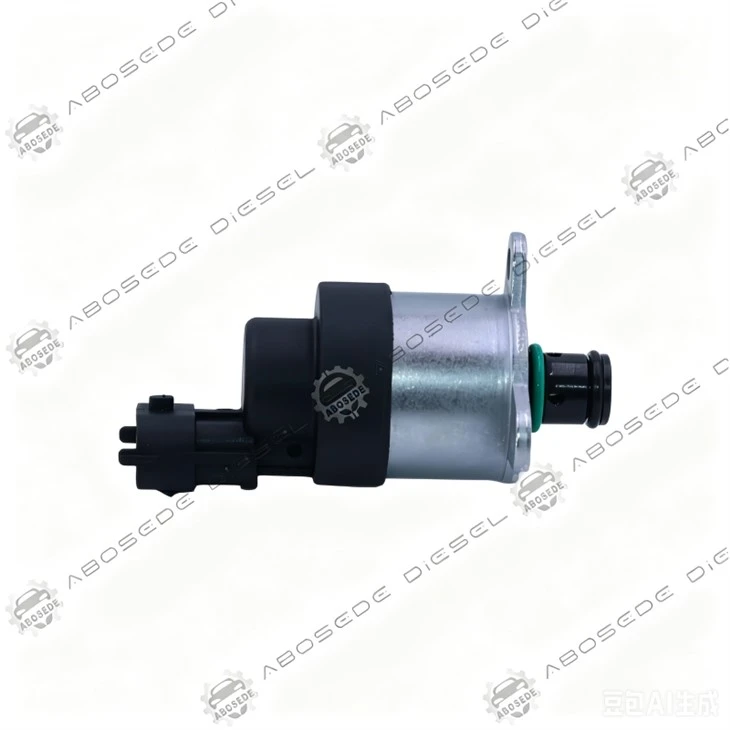

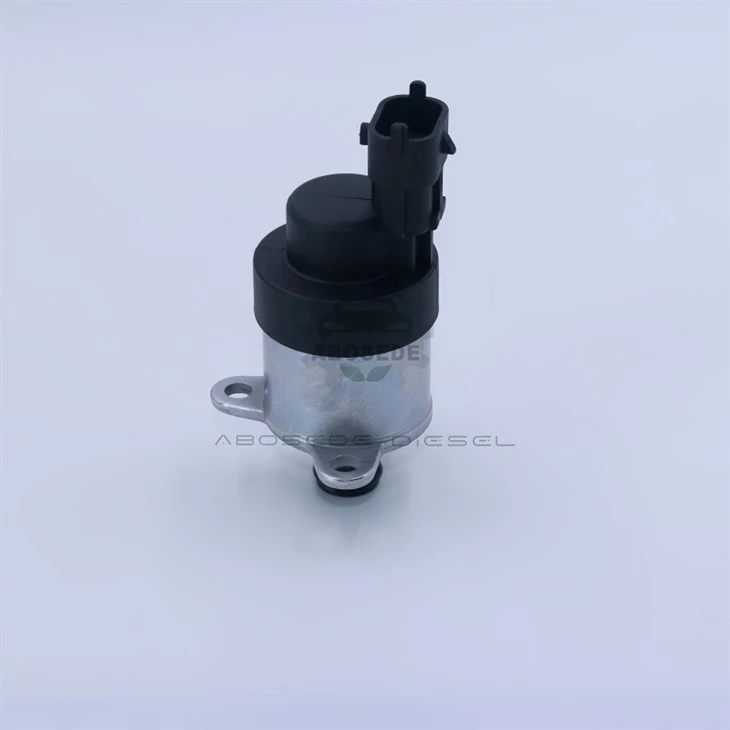
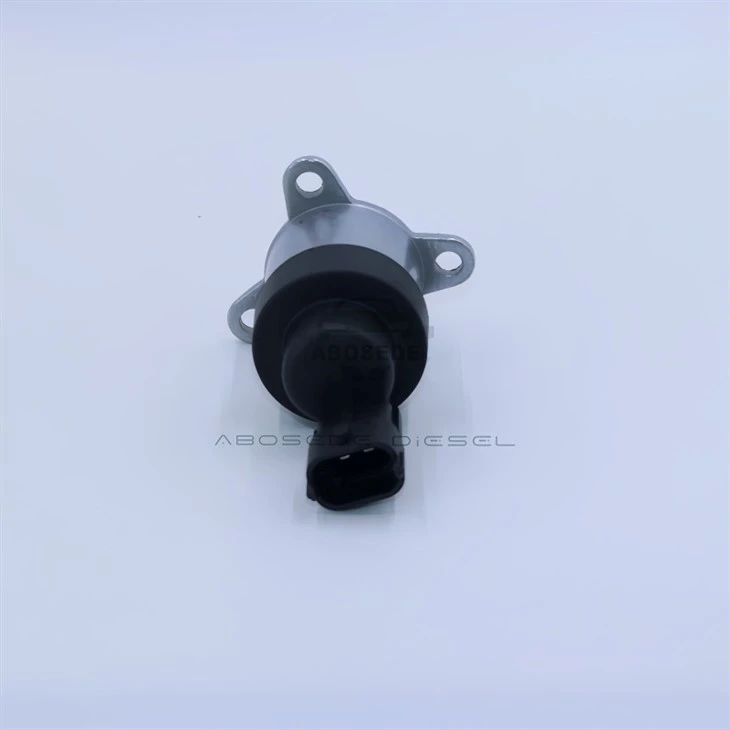
Bosch 0928400738 – The Metering Valve With Optimised Sleeve-to-Body Interference Fit For Thermal Stability
1. Product:0928400738
2. Compatible Equipment: Diesel Fuel Injection Systems
3. Manufacturer: Aftermarket OEM Replacement
4. Condition: Brand New, Fully Tested
5. Origin: ABOSEDE Diesel
6. Shipping period: 3-5 business days
7. Payment terms: T/T, Western Union, PayPal
- Fast Delievery
- Quality Assurance
- 24/7 Customer Service
Product Introduction
Inside every metering valve, the precision sleeve that guides the spool is not a separate loose component - it is pressed into the valve body with a carefully controlled interference fit. This fit determines the thermal stability of the sleeve bore, the leakage path around the sleeve, and the long-term reliability of the valve. If the interference fit is too tight, the sleeve distorts and the spool sticks; if it is too loose, fuel leaks around the sleeve and the metering accuracy is lost. The 0928400738 is engineered with an optimised sleeve-to-body interference fit that maintains the sleeve bore geometry across the full temperature range, ensuring that the spool moves freely and the leakage paths are sealed, regardless of the operating temperature. It is a valve that stays round and sealed when the engine heats up.
The Interference Fit Problem – Why the Sleeve-to-Body Interface Matters
The sleeve that guides the metering valve spool is pressed into the valve body with a specific amount of interference - typically 0.005-0.015 mm. This interference ensures that the sleeve is held securely and that there is no leakage path between the sleeve and the body. However, the valve body and the sleeve have different coefficients of thermal expansion - the body is usually aluminium, while the sleeve is steel. When the engine heats up, the aluminium body expands more than the steel sleeve, reducing the interference fit. If the fit becomes too loose, fuel can leak around the sleeve, bypassing the spool and affecting the metering accuracy. The 0928400738 uses a sleeve made from a steel alloy with a thermal expansion coefficient that is matched to the aluminium body, and the interference fit is selected so that it remains effective across the full temperature range.
How the Interference Fit Is Calibrated
The interference fit is calibrated by selecting the sleeve outside diameter and the valve body bore diameter. The 0928400738 uses a sleeve with an outside diameter that is 0.010 mm larger than the valve body bore at 20 °C. When the sleeve is pressed into the body, it creates a radial stress that holds the sleeve in place and seals the interface. As the temperature rises, the aluminium body expands more than the steel sleeve, reducing the interference. The sleeve is made from a steel alloy that has a coefficient of thermal expansion that is higher than standard steel, matching the aluminium body more closely. The result is that the interference fit remains effective (still positive, but reduced) at 135 °C, ensuring that the sleeve does not loosen and that the bore remains round.
Failure Patterns – When the Interference Fit Is Lost
The interference fit can be lost if the valve body expands more than expected (due to overheating) or if the sleeve is damaged during pressing. A lost interference fit results in a leakage path around the sleeve - fuel bypasses the spool, reducing the valve's maximum flow and causing a loss of power at high load. The first symptom is often a P0087 (fuel pressure low) code that appears only after the engine has reached operating temperature - the fit is adequate at cold start but loosens as the temperature rises. The genuine 0928400738 uses a sleeve material that is matched to the aluminium body, and the pressing process is controlled to prevent damage to the sleeve or the body. The interference fit is verified on each valve by measuring the press-in force - a consistent force indicates a consistent fit.
Installation – The Press-In Force Verification
Installing the 0738 is similar to other CP4 valves - clean the mounting surface, replace the O-ring and backup ring, torque the retaining nut to 23 Nm ± 2 Nm. However, there is a specific verification step: check the valve body for signs of overheating or damage before installation. If the valve body is discoloured (a sign of overheating) or shows any cracking around the sleeve area, the interference fit may have been lost, and a new valve will not restore the fit - the pump body must be replaced. The press-in force required for the sleeve is specific - when pressing the new valve into the pump body, the force should be consistent and moderate (approximately 500 N). If the force is significantly lower, the interference fit may be inadequate.
Frequently Asked Questions
Q1: How can I tell if my valve's interference fit is compromised without removing it?
→ Monitor the rail pressure at full load - if the pressure drops significantly only when the engine is hot, the interference fit may have loosened. A well-functioning 0738 will maintain the rail pressure regardless of the temperature.
Q2: Can I use the 0928400738 on a BMW that originally used the 0782?
→ Yes, in most CP4.2 applications. The 0738 has the optimised interference fit that is particularly valuable for thermal stability, and it is a direct replacement for the 0782 in many applications. Always verify compatibility with the engine's calibration.
Q3: Why does my engine have a loss of power at high load only when the engine is hot?
→ This is a classic symptom of a lost interference fit - the sleeve loosens as the temperature rises, creating a leakage path. The 0738 is designed to maintain the fit across the full temperature range, preventing this symptom.
Q4: What is the most common cause of interference fit loss in this valve?
→ Overheating of the valve body - the aluminium body expands more than expected, reducing the interference. The 0738 uses a matched material to minimise this, but if the engine has experienced a severe overheating event, the fit may be compromised.
Q5: I replaced the valve but the hot power loss persists - is the valve defective?
→ Check the valve body for damage - if the body is cracked or the sleeve bore is damaged, a new valve will not seal. Also, check the high-pressure lines for leaks - a leak elsewhere in the system can cause a similar symptom.
Q6: Does the interference fit change with the age of the valve?
→ The interference fit does not change with age unless the valve body has overheated or been damaged. The press-in force is set during manufacturing and remains constant for the service life of the valve, provided the operating temperature is within specification.


Flexible Payment Methods for Your Convenience
To make your purchasing experience smooth and easy, we offer a variety of secure payment options:

Bank Transfer
Supports multiple currenciesand bank payment methods.

Western Union
Quick and global money transfers.

PayPal
Safe and convenient online payment.

Alibaba
Enjoy extra protection with trusted Alibaba transactions.
We're here to make your order process worry-free - choose the payment method that works best for you!
Shipping Made Simple

Customer reviews

Hot Tags: bosch 0928400738 – the metering valve with optimised sleeve-to-body interference fit for thermal stability, China bosch 0928400738 – the metering valve with optimised sleeve-to-body interference fit for thermal stability manufacturers, suppliers, factory, 0445120066, 0445120067, Bosch CR Injectors, bosch valve, Diesel Control Valve, Fuel Injector Valve
You Might Also Like
-

Bosch 1462C24999 – The SCV Sleeve That Defines The C...
-

Bosch 0928400671 – The Metering Valve That Starts At...
-

0928400492 Bosch Fuel Metering Valve – PWM Signal In...
-

0928400588 Bosch Fuel Metering Valve – Precise Low-F...
-

0928400666 Bosch Inlet Metering Valve – Armature Mic...
-

303 High Quality Fuel Injector Lower Valve Core For ...
