


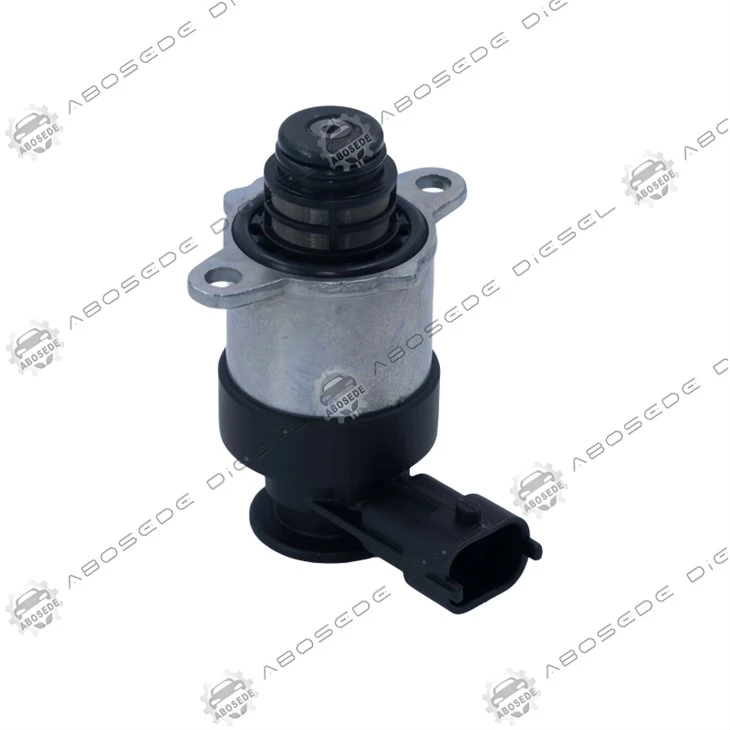

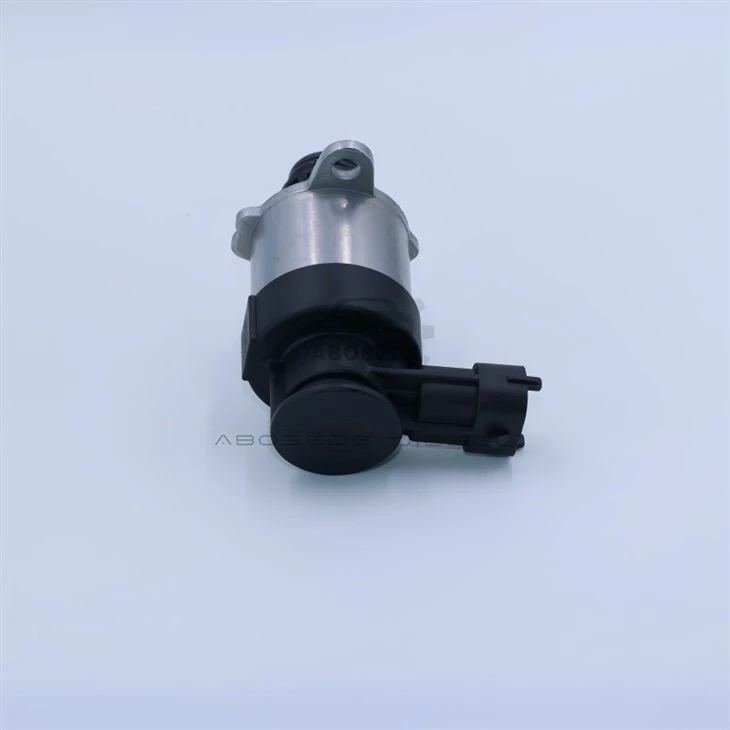
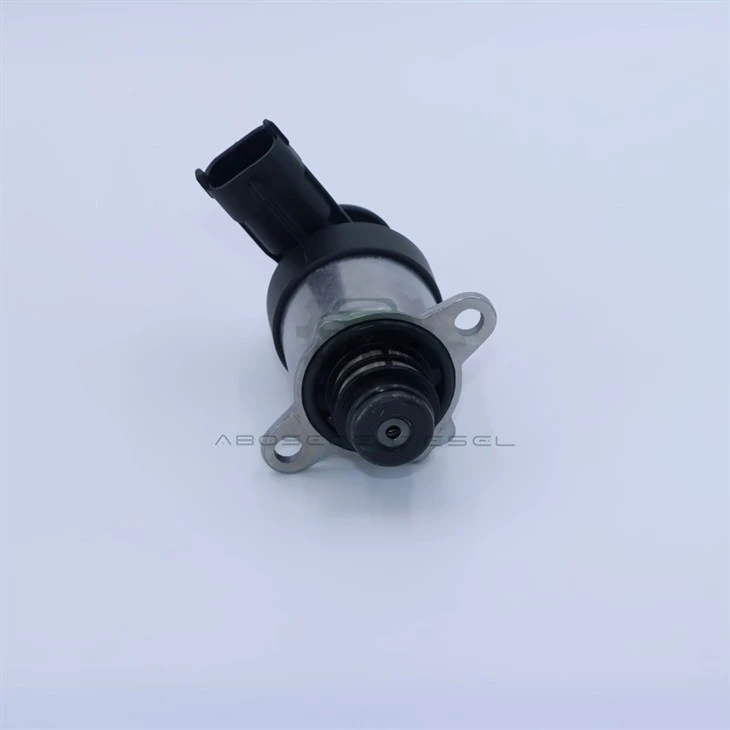
Bosch 0928400707 – The Metering Valve That Controls Vortex Formation For Stable Flow Coefficient
1. Product:0928400707
2. Compatible Equipment: Diesel Fuel Injection Systems
3. Manufacturer: Aftermarket OEM Replacement
4. Condition: Brand New, Fully Tested
5. Origin: ABOSEDE Diesel
6. Shipping period: 3-5 business days
7. Payment terms: T/T, Western Union, PayPal
- Fast Delievery
- Quality Assurance
- 24/7 Customer Service
Product Introduction
Inside every metering valve, the fuel does not flow in a straight, orderly stream - it swirls, eddies, and forms vortices as it passes through the control edge. These vortices are not just a curiosity; they affect the flow coefficient - the relationship between the pressure drop and the flow rate. If the vortex formation changes with the flow rate or the pressure, the flow coefficient changes, and the ECU's fuel calculation is no longer accurate. The 0928400707 is engineered with a control edge geometry that stabilises the vortex formation across the full operating range, ensuring that the flow coefficient is consistent regardless of the flow rate or the pressure. It is a valve that controls the chaos of the fluid flow, delivering a predictable metering characteristic.
The Vortex Phenomenon – Why It Affects Metering Accuracy
When fuel flows through a metering valve, it passes through a narrow gap - the metering edge. As the fuel accelerates through this gap, it forms vortices - swirling regions of fluid that separate from the main flow. These vortices create a pressure loss that is additional to the pressure drop across the metering edge, and this pressure loss changes with the flow rate and the pressure. If the vortex formation is inconsistent, the pressure loss changes, and the flow coefficient - the relationship between the pressure drop and the flow rate - changes. The ECU's fuel calculation assumes a fixed flow coefficient, and any change introduces an error. The 0928400707 uses a control edge with a specific radius and a chamfer that promotes a stable vortex formation - the vortices are formed at the same point and with the same intensity, regardless of the operating condition.
How the Vortex Formation Is Controlled
The vortex formation is controlled by the geometry of the control edge - the shape of the edge where the spool meets the seat. The 0928400707 uses a control edge with a specific radius and a chamfer that are designed to create a stable vortex. The radius determines the point at which the flow separates from the edge, and the chamfer determines the direction of the separation. The combination is calibrated so that the vortex is formed at the same point and with the same intensity, regardless of the flow rate and the pressure. The control edge is manufactured to a tolerance of ±2 µm, and the surface finish is maintained at Ra 0.08 µm - a finish that is smooth enough to prevent premature separation but not so smooth that the vortex is suppressed.
Failure Patterns – When the Vortex Stability Is Lost
The vortex stability can be lost if the control edge wears or if the surface finish degrades. A worn control edge changes the radius and the chamfer, altering the vortex formation point and intensity. A degraded surface finish - for example, from corrosion or deposit formation - changes the separation characteristics, causing the vortex to form at a different point. The first symptom is often a loss of metering accuracy at high flow rates - the fuel delivery is different from the commanded value. The genuine 0928400707 uses a hardened control edge and a surface finish that resists wear and deposit formation, ensuring that the vortex stability is maintained.
Installation – The Vortex Verification Test
Installing the 0707 is similar to other CP4 valves - clean the mounting surface, replace the O-ring and backup ring, torque the retaining nut to 22 Nm ± 2 Nm. However, there is a specific verification step: perform a flow linearity test after installation. Run the engine at a constant speed and gradually increase the fuel demand (by loading the engine), and monitor the relationship between the metering valve duty cycle and the rail pressure. If the pressure increases linearly with the duty cycle, the flow coefficient is stable - indicating that the vortex formation is controlled. If the pressure deviates from linearity, the vortex stability may be compromised.
Frequently Asked Questions
Q1: How can I tell if my valve's vortex stability is compromised without removing it?
→ Monitor the metering valve duty cycle at two different engine loads - idle and full load - and compare the relationship between the duty cycle and the rail pressure. If the relationship is non-linear - the pressure does not increase proportionally with the duty cycle - the vortex stability may be compromised. A well-functioning 0707 will show a linear relationship.
Q2: Can I use the 0928400707 on a Ford Transit that originally used the 0715?
→ Yes, in most CP4.1 applications. The 0707 is the earlier generation with the controlled vortex formation, and it is a direct replacement for the 0715 in many applications. Always verify compatibility with the engine's calibration.
Q3: Why does my engine have a power loss at high load but normal power at low load?
→ This is a classic symptom of a flow coefficient that changes with the flow rate - the vortex formation is not stable. The 0707 is designed to prevent this by controlling the vortex formation at high flow rates.
Q4: What is the most common cause of vortex stability loss in this valve?
→ Wear on the control edge - the radius and chamfer change with wear, altering the vortex formation point. The 0707 uses a hardened control edge to resist this wear, but if the fuel contains abrasive particles, the wear can be accelerated. Regular fuel filter changes are the most effective prevention.
Q5: I replaced the valve but the flow linearity is still compromised - is the valve defective?
→ Check the inlet pressure to the valve - if the pressure drops at high flow rates, the flow linearity will be compromised regardless of the valve's performance. Also, check the rail pressure sensor for drift - a drifting sensor can cause the ECU to command incorrect duty cycles, which will affect the observed linearity.
Q6: Does the vortex formation change with the fuel temperature?
→ Yes, the fuel viscosity changes with temperature, which affects the vortex formation. The 0707 is designed to maintain vortex stability across the full temperature range through the control edge geometry, which is less sensitive to viscosity changes than a sharp edge.


Flexible Payment Methods for Your Convenience
To make your purchasing experience smooth and easy, we offer a variety of secure payment options:

Bank Transfer
Supports multiple currenciesand bank payment methods.

Western Union
Quick and global money transfers.

PayPal
Safe and convenient online payment.

Alibaba
Enjoy extra protection with trusted Alibaba transactions.
We're here to make your order process worry-free - choose the payment method that works best for you!
Shipping Made Simple

Customer reviews

Hot Tags: bosch 0928400707 – the metering valve that controls vortex formation for stable flow coefficient, China bosch 0928400707 – the metering valve that controls vortex formation for stable flow coefficient manufacturers, suppliers, factory, 0445120066, 0445120067, Bosch CR Injectors, bosch valve, Diesel Control Valve, Fuel Injector Valve
You Might Also Like
-

Bosch 0928400714 – The Metering Valve That Maintains...
-

0928400502 Bosch Fuel Metering Valve – Cylinder Bala...
-

0928400739 Bosch Fuel Metering Valve – Precision Fla...
-

0928400642 Bosch Fuel Metering Valve – Linear Flow R...
-

0928400588 Bosch Fuel Metering Valve – Precise Low-F...
-

0928400789 Bosch Fuel Metering Valve – Consistent Fu...
