


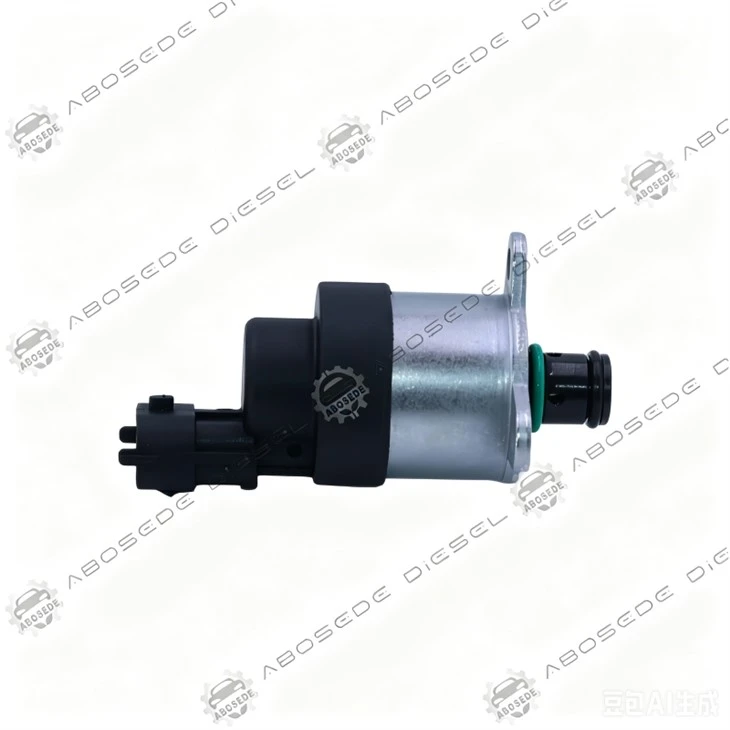

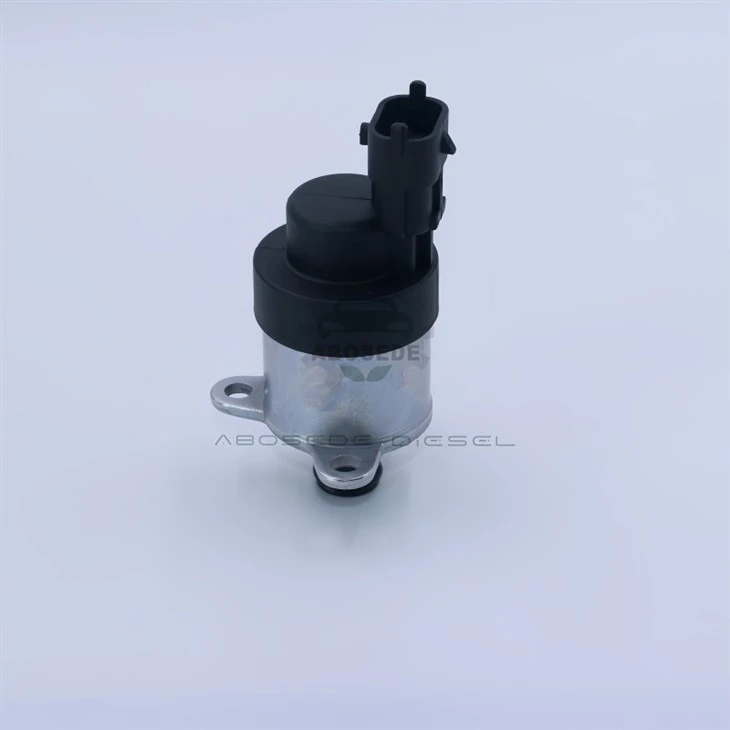
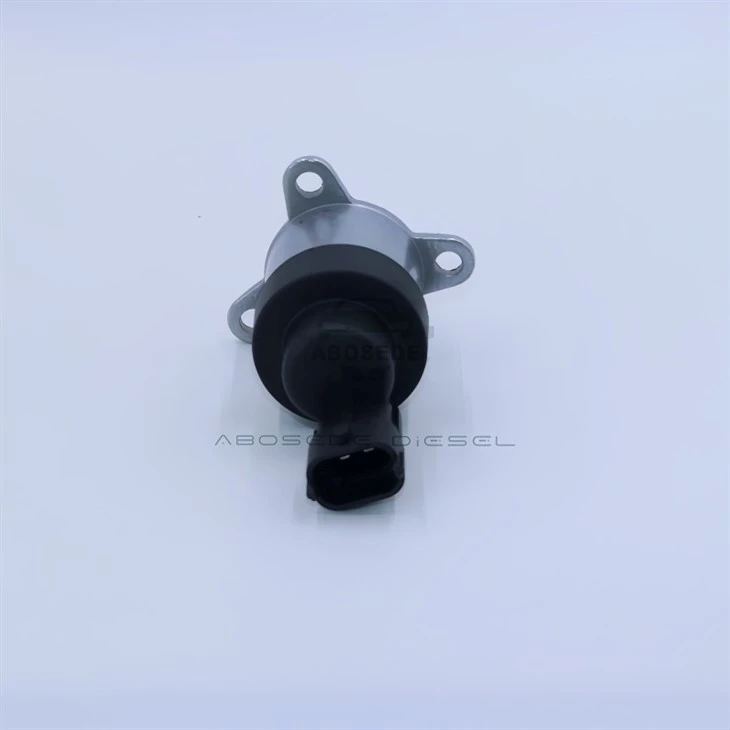
Bosch 0928400830 – The Metering Valve With Controlled Fretting Resistance For Long-Term Contact Stability
1. Product:0928400830
2. Compatible Equipment: Diesel Fuel Injection Systems
3. Manufacturer: Aftermarket OEM Replacement
4. Condition: Brand New, Fully Tested
5. Origin: ABOSEDE Diesel
6. Shipping period: 3-5 business days
7. Payment terms: T/T, Western Union, PayPal
- Fast Delievery
- Quality Assurance
- 24/7 Customer Service
Product Introduction
Inside every metering valve, there is a contact interface that is often overlooked but is critical to the valve's long-term performance - the interface between the armature stop and the armature itself. When the valve is de-energised, the armature contacts the stop, and when it is re-energised, it lifts off. This repeated contact creates a phenomenon known as fretting - a microscopic wear process where the surfaces rub against each other with small oscillatory movements. Fretting generates debris that can increase the static friction, change the armature's rest position, and degrade the valve's performance. The 0928400830 is engineered with a controlled fretting resistance that minimises the wear at the armature-stop interface, ensuring that the contact surfaces remain stable and the armature's rest position is consistent over the valve's service life.
The Fretting Phenomenon – Why the Armature-Stop Interface Matters
When the armature contacts the stop, it does not simply rest - there is a small oscillatory movement caused by the engine vibration and the dither frequency of the PWM signal. This movement, typically 1-3 µm, is enough to remove the oxide layer from the contact surfaces, exposing the underlying material. The exposed material then oxidises, and the oxide debris is trapped between the surfaces. This debris can increase the coefficient of friction at the interface, causing the armature to stick to the stop or to have a variable breakaway force. The 0928400830 uses a contact interface that is designed to resist fretting - the stop is coated with a hard, wear-resistant layer that does not oxidise in the same way as the base material, and the armature is made from a material that has a low tendency to form oxide debris.
How the Fretting Resistance Is Achieved
The fretting resistance is achieved through a combination of material selection and surface coating. The stop in the 0928400830 is made from a hardened steel with a chromium-nitride coating - a coating that is hard (HV 2000), wear-resistant, and does not oxidise at the temperatures encountered in the engine bay. The armature is made from a soft magnetic alloy that is also coated with a thin layer of tungsten carbide - a coating that is hard and has a low tendency to form oxide debris. The combination of the two coatings ensures that when the armature contacts the stop, the contact is between two hard, non-oxidising surfaces - fretting wear is minimal, and the debris that is generated is a fine powder that does not adhere to the surfaces.
Failure Patterns – When Fretting Degrades Performance
The most common failure related to fretting is a gradual increase in the breakaway force - the armature sticks to the stop, and the valve is slow to respond to the next duty cycle command. The symptom is often a hesitation on tip-in - the valve does not open as quickly as expected, and the rail pressure lags. The genuine 0928400830 is designed to resist this through the hard coatings, which do not oxidise and do not create the adhesive debris that causes sticking. The coatings are also thick enough to accommodate the wear of a normal service life - the chromium-nitride coating is 2-3 µm thick, and the tungsten carbide coating is 1-2 µm thick. These thicknesses are sufficient to provide a fretting resistance for over 200,000 km of normal service.
Installation – The Stop Interface Check
Installing the 0830 is similar to other CP4 valves - clean the mounting surface, replace the O-ring and backup ring, torque the retaining nut to 23 Nm ± 2 Nm. However, there is a specific precaution: do not apply any grease or lubricant to the stop interface. The fretting resistance is based on the two hard coatings sliding against each other - any lubricant will attract contaminants and increase the wear rate. The valve is designed to operate with the fuel itself as the lubricant for the armature guide, but the stop interface is a dry contact interface - the fuel does not reach it. The coatings are designed to operate without lubrication, so no additional treatment is required.
Frequently Asked Questions
Q1: How can I tell if my valve is suffering from fretting degradation without removing it?
→ Perform a tip-in test - accelerate from idle to 2,500 rpm and monitor the rail pressure. If the pressure lag is more than 150 ms, the armature may be sticking to the stop due to fretting debris. A well-functioning 0830 will show a response time of less than 100 ms.
Q2: Can I use the 0928400830 on a VW Touareg that originally used the 0782?
→ Yes, in most CP4.2 applications. The 0830 has the fretting-resistant coatings that are particularly valuable for long-term response stability, and it is a direct replacement for the 0782 in many applications. Always verify compatibility with the engine's calibration.
Q3: Why does my engine have a hesitation on tip-in after a long period of highway driving?
→ Highway driving at constant speed means the valve is held at a constant position - the armature is not moving, and the contact interface is under a static load. This can accelerate fretting if the coatings are inadequate. The 0830's hard coatings are designed to resist this.
Q4: What is the most common cause of fretting degradation in this valve?
→ Wear on the stop coating - once the coating is worn through, the underlying material oxidises and generates debris. The 0830's chromium-nitride coating is designed to resist this wear, but if the engine has very high vibration, the wear can be accelerated.
Q5: I replaced the valve but the hesitation persists - is the valve defective?
→ Check the accelerator pedal sensor - a slow sensor can cause a hesitation that appears to be fuel-related. Also, check the fuel filter pressure drop - a blocked filter can cause the rail pressure to drop, which the ECU compensates for by adjusting the duty cycle.
Q6: Does the fretting resistance change with the fuel temperature?
→ No. The fretting resistance is determined by the hard coatings, which are temperature-independent up to 200 °C. The valve is designed to maintain the fretting resistance across the full operating temperature range.


Flexible Payment Methods for Your Convenience
To make your purchasing experience smooth and easy, we offer a variety of secure payment options:

Bank Transfer
Supports multiple currenciesand bank payment methods.

Western Union
Quick and global money transfers.

PayPal
Safe and convenient online payment.

Alibaba
Enjoy extra protection with trusted Alibaba transactions.
We're here to make your order process worry-free - choose the payment method that works best for you!
Shipping Made Simple

Customer reviews

Hot Tags: bosch 0928400830 – the metering valve with controlled fretting resistance for long-term contact stability, China bosch 0928400830 – the metering valve with controlled fretting resistance for long-term contact stability manufacturers, suppliers, factory, 0445120066, 0445120067, Bosch CR Injectors, Diesel Control Valve, F00BC80045, F00RJ01479
You Might Also Like
-

0928400761 Bosch Fuel Metering Valve – Quick Electri...
-

0928400680 Bosch Fuel Metering Valve – Internal Bypa...
-

0928400699 Bosch Inlet Metering Valve – Start-Stop C...
-

0928400726 Bosch Inlet Metering Valve – High-Duty Ma...
-

Bosch Solenoid Valve F00HN37925 — The “Switch” That ...
-

0928400617 — Bosch Fuel Metering / Pressure Regulato...
