


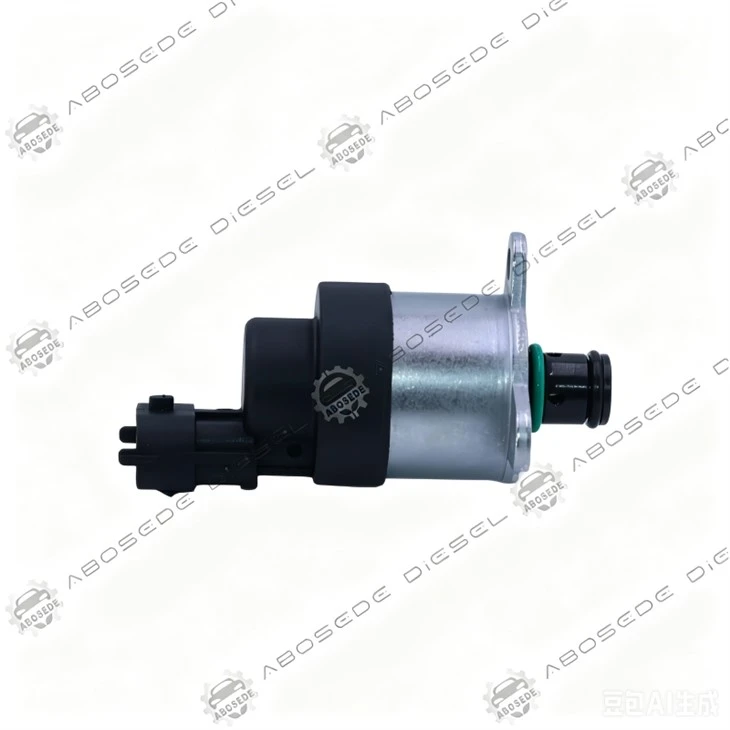

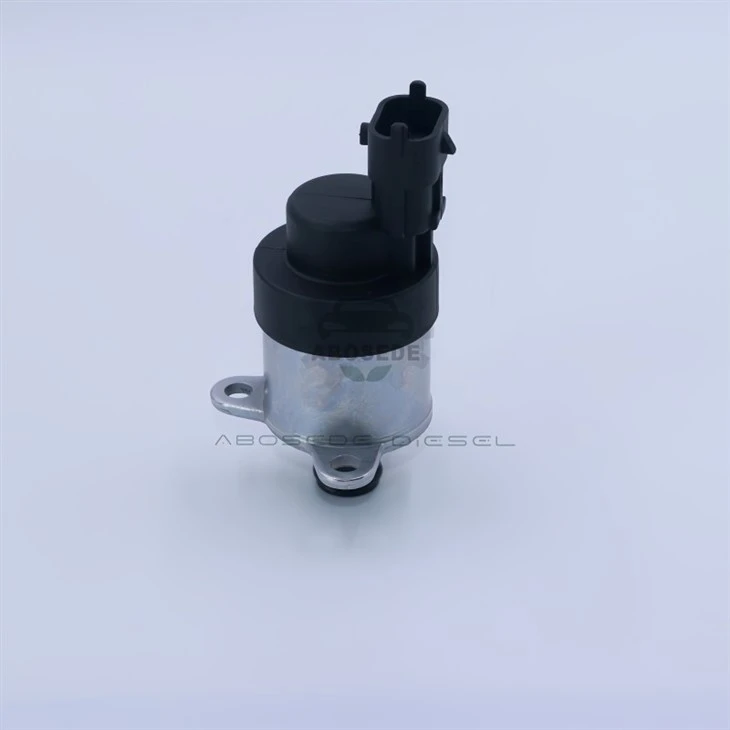
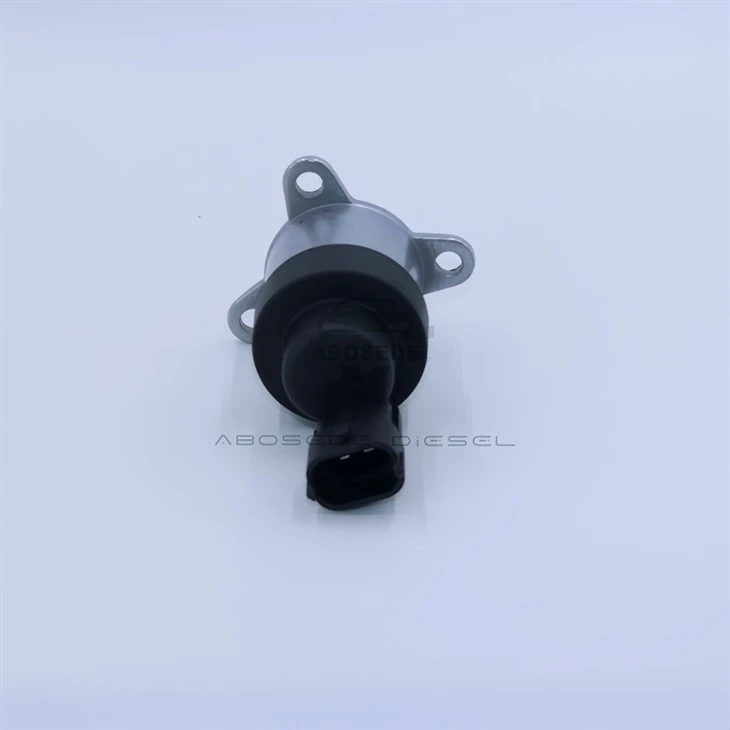
Bosch 0928400771 – The Metering Valve With A Self-Regulating Magnetic Circuit For Temperature-Compensated Force Output
1. Product:0928400771
2. Compatible Equipment: Diesel Fuel Injection Systems
3. Manufacturer: Aftermarket OEM Replacement
4. Condition: Brand New, Fully Tested
5. Origin: ABOSEDE Diesel
6. Shipping period: 3-5 business days
7. Payment terms: T/T, Western Union, PayPal
- Fast Delievery
- Quality Assurance
- 24/7 Customer Service
Product Introduction
In a conventional metering valve, the magnetic force is a function of the coil current and the magnetic circuit geometry. However, both the coil resistance and the magnetic properties of the core material change with temperature - the resistance increases, reducing the current, and the core's permeability decreases, reducing the magnetic flux. These two effects combine to reduce the magnetic force as the temperature rises, causing the armature to move to a different position for the same duty cycle. The 0928400771 is engineered with a self-regulating magnetic circuit that automatically compensates for these temperature effects, maintaining a consistent magnetic force across the operating temperature range. It is a valve that delivers the same force at 120 °C as it does at 20 °C, ensuring that the armature position is determined solely by the duty cycle, not by the temperature.
The Temperature-Force Relationship - Why Magnetic Force Drifts
The magnetic force generated by a solenoid depends on two factors: the current in the coil, which determines the magnetomotive force, and the permeability of the magnetic circuit, which determines how much of that force is converted into armature movement. As the temperature rises, the coil resistance increases, reducing the current for a given voltage, and the permeability of the core material decreases, reducing the magnetic flux. These two effects are additive - the force drops by approximately 0.5 % per degree Celsius in a typical design. The ECU can compensate for the resistance change by adjusting the PWM duty cycle, but it cannot compensate for the permeability change because it does not have a temperature sensor in the valve. The 0928400771 uses a core material with a permeability that increases slightly with temperature - a property that compensates for the resistance-induced current drop and maintains a constant force.
How the Self-Regulating Magnetic Circuit Works
The self-regulation is achieved by a combination of a specific core material and a carefully designed magnetic circuit geometry. The core material is a custom alloy with a temperature coefficient of permeability that is positive - the permeability increases with temperature, unlike standard electrical steel. This increase compensates for the reduction in current caused by the resistance increase. The magnetic circuit geometry is also designed so that the flux path is distributed - a distributed flux path is less sensitive to the temperature-induced changes in permeability than a concentrated path. The result is a magnetic force that is stable within ± 2 % across the full temperature range, compared to ± 8-10 % for a standard design.
Failure Patterns - When Temperature Compensation Is Lost
The temperature compensation can be lost if the magnetic circuit is damaged - for example, if the valve is dropped and the core is cracked, or if the valve is exposed to temperatures above the design limit. A cracked core changes the permeability and the temperature compensation is no longer effective. The first symptom is often a drift in the duty cycle with temperature - the ECU must adjust the duty cycle as the engine warms up to maintain the same rail pressure. The genuine 0928400771 is manufactured with a core material that is resistant to cracking and is designed to operate at temperatures up to 150 °C without degrading.
Installation – The Temperature Response Verification
Installing the 0771 is similar to other CP4 valves - clean the mounting surface, replace the O-ring and backup ring, torque the retaining nut to 23 Nm ± 2 Nm. However, there is a specific verification step: perform a temperature response test after installation. Start the engine cold and monitor the metering valve duty cycle as the engine warms up to operating temperature. The duty cycle should remain stable - a change of more than 2 % indicates that the temperature compensation is not working. The test is a simple check that can be performed with most diagnostic tools.
Frequently Asked Questions
Q1: How can I tell if my valve's temperature compensation is working correctly without removing it?
→ Monitor the metering valve duty cycle from a cold start to full operating temperature. If the duty cycle changes by more than 2 % between the cold and hot conditions, the temperature compensation may not be working. A well-functioning 0771 will show a stable duty cycle.
Q2: Can I use the 0928400771 on a BMW that originally used the 0830?
→ Yes, in most CP4.2 applications. The 0771 has the self-regulating magnetic circuit that is particularly valuable in high-temperature applications, and it is a direct replacement for the 0830 in many applications. Always verify compatibility with the engine's calibration.
Q3: Why does my engine have a smooth idle when cold but a rough idle when hot?
→ This is often caused by a magnetic circuit that does not compensate for temperature - the force drops as the temperature rises, changing the armature position. The 0771 is designed to prevent this by maintaining a constant force across the temperature range.
Q4: What is the most common cause of temperature compensation loss in this valve?
→ Physical damage to the core material - the valve must not be dropped or subjected to excessive force during installation. The 0771's core material is robust, but it can be cracked by impact. Always handle the valve with care.
Q5: I replaced the valve but the duty cycle still drifts with temperature - is the valve defective?
→ Check the battery voltage - the ECU's duty cycle calculation is voltage-dependent, and a voltage change can cause a duty cycle drift. Also, check the rail pressure sensor for drift - a drifting sensor can cause the ECU to command a different duty cycle regardless of the valve's performance.
Q6: Does the temperature compensation work with biodiesel blends?
→ Yes. The temperature compensation is based on the magnetic circuit design, which is not affected by the fuel type. However, biodiesel has a different viscosity, which can affect the hydraulic forces on the armature. The 0771 is designed to compensate for the temperature effects on the magnetic circuit, not the fuel viscosity effects.


Flexible Payment Methods for Your Convenience
To make your purchasing experience smooth and easy, we offer a variety of secure payment options:

Bank Transfer
Supports multiple currenciesand bank payment methods.

Western Union
Quick and global money transfers.

PayPal
Safe and convenient online payment.

Alibaba
Enjoy extra protection with trusted Alibaba transactions.
We're here to make your order process worry-free - choose the payment method that works best for you!
Shipping Made Simple

Customer reviews

Hot Tags: bosch 0928400771 – the metering valve with a self-regulating magnetic circuit for temperature-compensated force output, China bosch 0928400771 – the metering valve with a self-regulating magnetic circuit for temperature-compensated force output manufacturers, suppliers, factory, 0445120066, Bosch CR Injectors, bosch valve, Bosch Volvo Deutz Renault, Diesel Control Valve, Fuel Injector Valve
You Might Also Like
-

Bosch 0928400742 – The Metering Valve That Balances ...
-

Bosch 0928400671 – The Metering Valve That Starts At...
-

Bosch 0928400714 – The Metering Valve That Maintains...
-

Bosch 0928400574 – The High-Speed Metering Valve Tha...
-

0928400584 Bosch Fuel Metering Valve – Fuel Compatib...
-

0281006032 Bosch Common Rail Pressure Control Valve ...
