


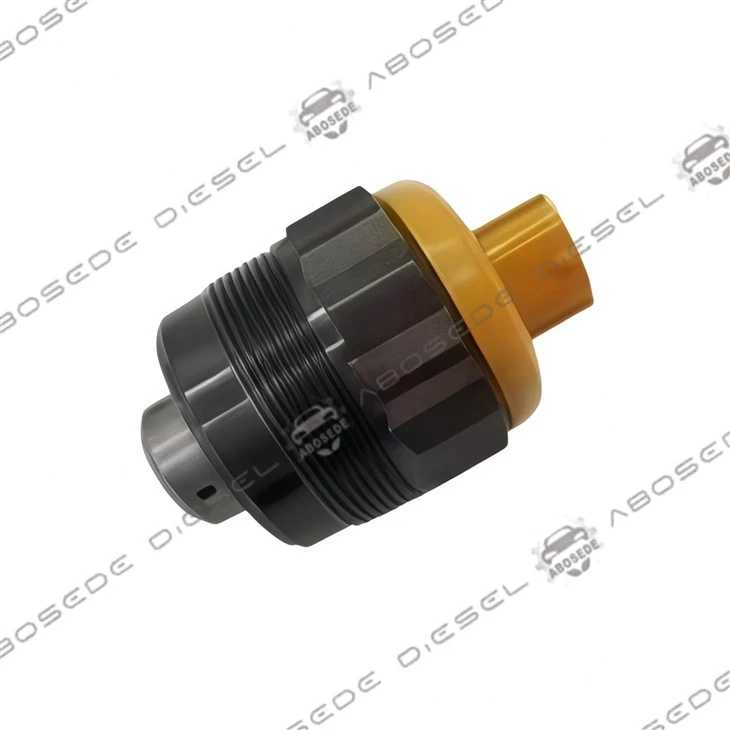

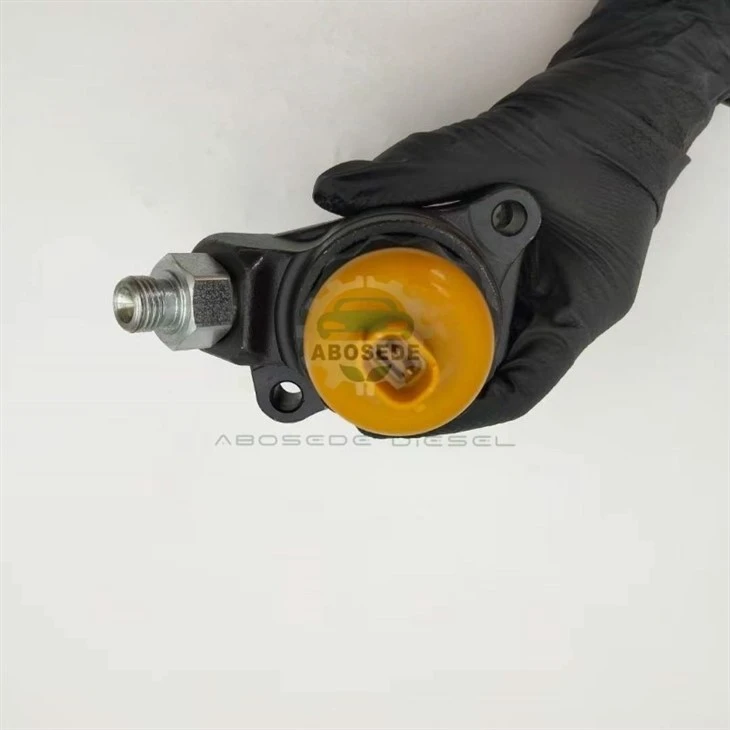
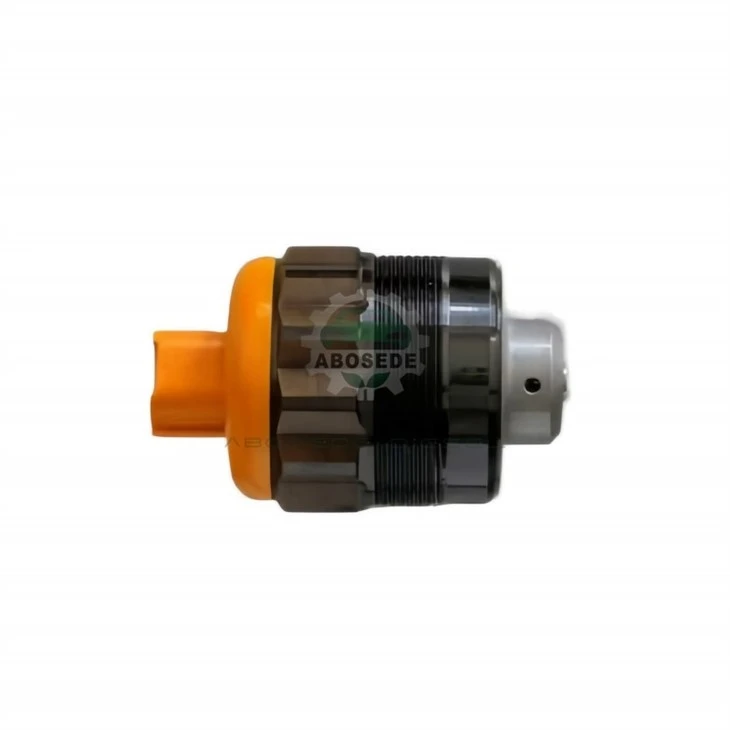
DENSO HP0 Plunger & PCV Valve Assembly 094040-0150 – Direct-Fit Fuel Control For High-Pressure Common Rail Systems
1. Product:094040-0150
2. Compatible Equipment: Diesel Fuel Injection Systems
3. Manufacturer:Aftermarket OEM Replacement
4. Condition: Brand New, Fully Tested
5. Origin:ABOSEDE Diesel
6. Shipping period: 3-5 business days
7. Payment terms: T/T, Western Union, PayPal
- Fast Delievery
- Quality Assurance
- 24/7 Customer Service
Product Introduction
Offered under OEM reference 094040-0150, this solenoid-operated valve and plunger kit delivers direct interchangeability with DENSO HP0 series high-pressure fuel pumps. Engineered as a universal-fit flow regulation component, the yellow-insulated, single PCV (Pump Control Valve) assembly restores factory-accurate fuel delivery and rail pressure consistency across a broad spectrum of diesel powerplants.
📍Dimensional Data, Electrical Ratings, and OEM Cross-Matching
Within the pump's inlet metering section, this assembly acts as an electro-hydraulic interface between the ECU and the fuel compression chamber. Constructed around a solenoid coil, a moving armature, and a poppet valve, the unit governs the volume of fuel admitted during each plunger intake stroke. Feed pump pressures are modulated through this valve, while timing signals from the engine control unit dictate the exact closure point for compression, enabling rail pressures up to 250 MPa. Visual identification is straightforward via the yellow insulator ring and the single-valve PCV layout. Service interchangeability extends to pump variants carrying OEM numbers 095300-0140 and 094040-0081, confirming broad backward compatibility. Energizing the coil seals the inlet port, directing plunger displacement toward rail delivery; removing current reopens the spill route, reducing effective output.
🚛 Application Coverage Across Engine Platforms and Vehicle Types
Though the HP0 architecture appears across numerous configurations, this 094040-0150 PCV sees primary deployment in 6-cylinder power units, while its mounting pattern supports universal adaptation. Earthmoving equipment, over-the-road trucks, and agricultural tractors powered by HP0-series pumps all fall within its application envelope. Japanese-origin diesel engines and high-speed industrial sets routinely specify this valve for its response characteristics. Fleet maintenance operations value the "Universal" classification, as the same SKU services multiple pump serial numbers-slashing inventory overhead and minimizing the risk of misordered parts.
🔧 Fitting Procedures, Torque Values, and System Preparation
Contamination control ranks as the overriding priority when installing this PCV and plunger assembly. Depressurize the fuel gallery before unseating the retaining clip and withdrawing the old solenoid. Because the plunger directly affects injection timing, the new coil's resistance should be checked against manufacturer limits using a calibrated multimeter. Any deviation from the specified ohm reading points to a defective component. After insertion, the entire low-pressure circuit must be bled to evacuate air from the high-pressure pump head. Neglecting this step, or allowing abrasive particles to enter the bore, invites immediate scoring or valve hang-up. The yellow band denotes a calibrated flow characteristic; verify that the replacement shares identical stack height and connector orientation with the removed unit to preserve ECU adaptation parameters.
🔩 Economic Justification for Aftermarket Pump-Service Replacement
Wear data from common rail workshops consistently identifies the PCV and plunger as the primary culprits behind pressure-loss complaints during start-up. Extended cranking, derated power output, and unstable rail readings often trace back to clearance growth or solenoid degradation. Swapping the 094040-0150 assembly offers a fraction-of-the-pump-cost remedy, circumventing the expense of a complete DENSO HP0 pump exchange. The plunger executes a compression event with every cam lobe rotation; the PCV governs the precise commencement of that event. As tolerances open, internal bypass increases, directly undermining volumetric efficiency. Aftermarket stocking of this valve addresses a top-five failure mode in HP0 systems, equipping repair bays with an immediate, high-margin fix that reinstates OEM driveability without core charges or exchange delays.
❓FAQ – Questions from Working Shops in the Field
Q1: Beyond the yellow insulator, what physical checks confirm this 094040-0150 matches my pump's original PCV?
A: Compare the pin count and terminal spacing directly with the old unit. Measure the valve body's total length from the mounting face to the connector base. While universal in designation, subtle revisions exist; dimensional verification is the only reliable cross-check.
Q2: Why does rail pressure oscillate after fitting a new PCV, even when the valve is brand new?
A: This usually indicates air entrapped in the high-pressure side or an unlearned ECU trim. Cycle the ignition and perform several crank-and-bleed routines. If oscillation persists, inspect the rail pressure sensor feedback-the new PCV may expose a pre-existing sensor drift.
Q3: How do fuel contaminants specifically accelerate failure of this plunger and PCV set?
A: Water and microscopic abrasives attack the lapped sealing faces between the plunger and bore. Once the surface finish degrades, fuel bypass increases exponentially, forcing the PCV to compensate beyond its duty cycle range, which overheats the coil.
Q4: What is the recommended procedure for storing spare 094040-0150 units in a workshop environment?
A: Keep each unit in its original sealed anti-static bag. Moisture and airborne dust are the main threats; store away from grinding or painting areas. Label with the receiving date to rotate inventory based on the elastomer seal's shelf life.
Q5: Can a worn PCV cause secondary damage to the HP0 pump's camshaft or tappet?
A: Indirectly, yes. A sticking PCV that fails to open can over-pressurize the pumping chamber, imposing abnormal loads on the tappet roller. Conversely, a valve stuck open reduces lubrication flow through the pump, accelerating bearing wear.
Q6: Does this aftermarket 094040-0150 carry any form of performance certification for commercial fleet use?
A: This unit is manufactured to replicate DENSO's original flow and response curves, validated through bench testing. While not OEM-branded, it meets the functional requirements for fleet service and carries defect warranty coverage against premature solenoid or seal failure.


Flexible Payment Methods for Your Convenience
To make your purchasing experience smooth and easy, we offer a variety of secure payment options:

Bank Transfer
Supports multiple currenciesand bank payment methods.

Western Union
Quick and global money transfers.

PayPal
Safe and convenient online payment.

Alibaba
Enjoy extra protection with trusted Alibaba transactions.
We're here to make your order process worry-free - choose the payment method that works best for you!
Shipping Made Simple

Customer reviews

Hot Tags: denso hp0 plunger & pcv valve assembly 094040-0150 – direct-fit fuel control for high-pressure common rail systems, China denso hp0 plunger & pcv valve assembly 094040-0150 – direct-fit fuel control for high-pressure common rail systems manufacturers, suppliers, factory
You Might Also Like
-

HP0 Plunger & PCV Valve Kit – 094040-0081 (Yellow Va...
-

Denso HP0 Plunger & Barrel Assembly 094150-0250 – Sh...
-

HP0 Plunger 091450-0230 – Single Barrel Assembly Wit...
-

DENSO HP0 Plunger Assembly 094150-0330 – Short Core ...
-

Denso HP0 Plunger Assembly 094150-0132 – Field-Ready...
-

DENSO HP0 Plunger Assembly 094150-0260 – Long Core /...
