


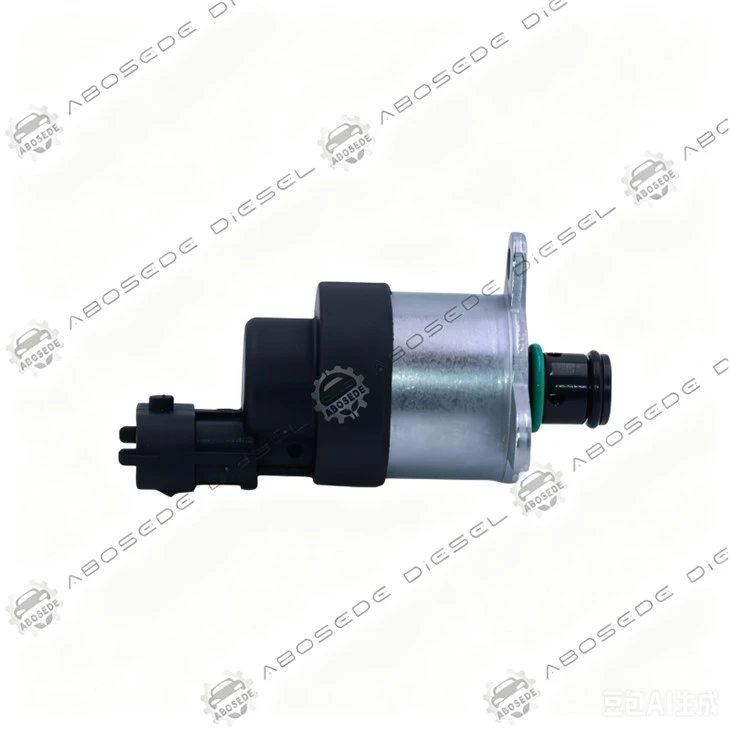

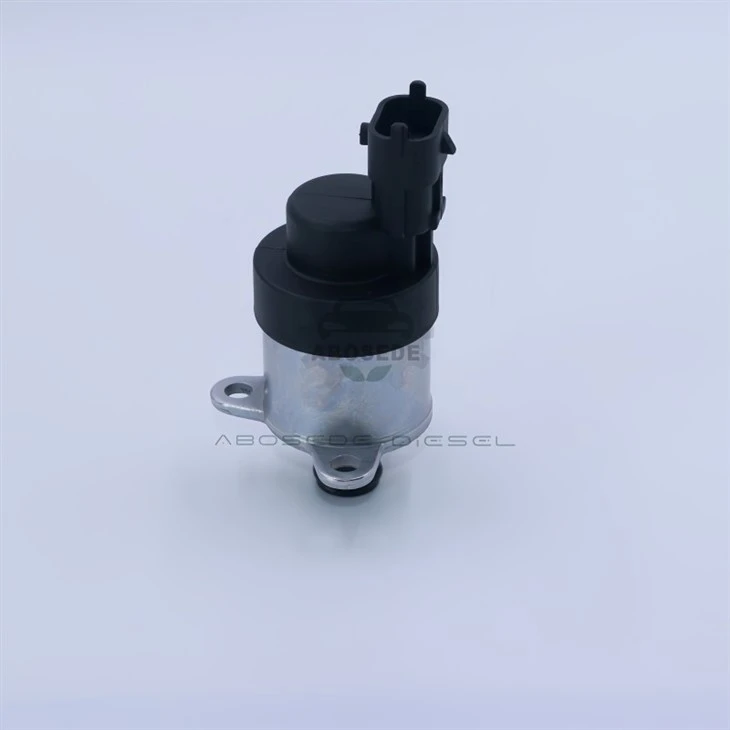
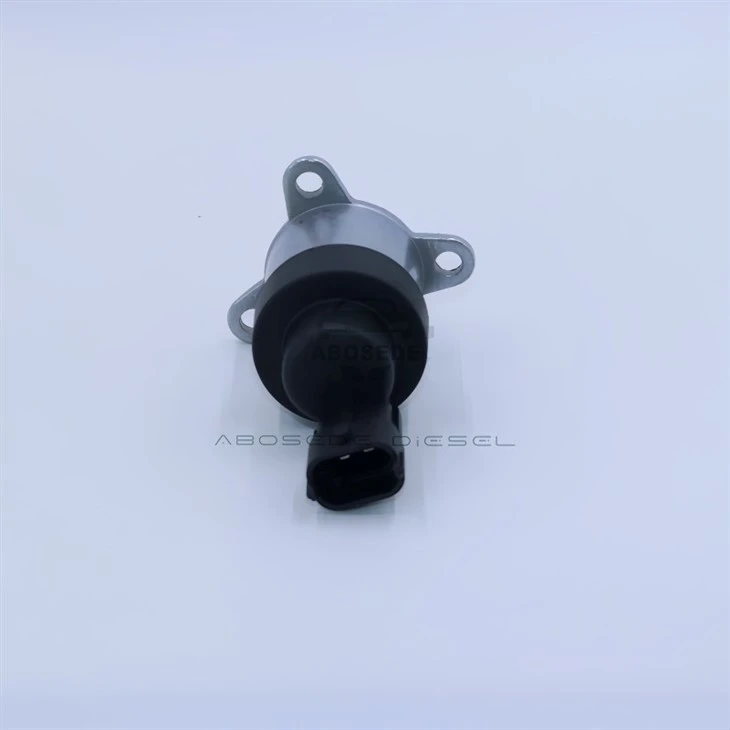
0928400761 Bosch Fuel Metering Valve – Quick Electrical Diagnostics & Reliable Solenoid Health For CP3/CP1H Pumps On Heavy-Duty Diesel Engines
1. Product:0928400761
2. Compatible Equipment: Diesel Fuel Injection Systems
3. Manufacturer: Aftermarket OEM Replacement
4. Condition: Brand New, Fully Tested
5. Origin: ABOSEDE Diesel
6. Shipping period: 3-5 business days
7. Payment terms: T/T, Western Union, PayPal
- Fast Delievery
- Quality Assurance
- 24/7 Customer Service
Product Introduction
The 0928400761 is a Bosch inlet metering valve for CP3 and CP1H high-pressure common rail pumps. When a truck arrives at the workshop with a fuel system complaint, the technician often faces a difficult question: is the metering valve faulty, or is something else causing the problem? Removing the valve for bench testing is time-consuming. Fortunately, the solenoid inside this valve can be evaluated quickly with basic electrical tools while still mounted on the pump. Two simple measurements - coil resistance and insulation integrity - can rule out or confirm electrical faults in minutes. The 0928400761 is built with a precision-wound solenoid coil that provides consistent resistance values and stable electrical behavior over its service life. This predictable electrical signature makes diagnosis faster and more accurate, reducing the guesswork that leads to unnecessary parts replacement. This valve fits heavy-duty diesel engines using Bosch CP3 or CP1H high-pressure pumps.
Electrical Testing Without Removal
The metering valve solenoid is essentially a coil of copper wire wrapped around a magnetic core. When the engine computer sends a PWM signal to this coil, it creates a magnetic field that moves the spool. The health of this coil can be checked with a digital multimeter in less time than it takes to gather tools for a full valve removal. Disconnect the wiring harness connector from the valve. Set the multimeter to resistance mode and measure across the two terminals on the valve side. The 0928400761 is specified to read between 2.5 and 3.5 ohms at approximately 20°C. A reading significantly below this range suggests shorted turns within the coil - where insulation has broken down and current takes a shortcut through fewer windings. A reading that shows infinite resistance indicates an open circuit, usually from a broken wire or a failed internal connection. Both faults are definitive: if the resistance is out of specification, the valve must be replaced.
Insulation Testing and Short-to-Ground Detection
A second test checks whether the coil is electrically isolated from the valve body. Switch the multimeter to continuity or high-resistance mode. Touch one probe to either terminal and the other probe to the metal body of the valve. There should be no continuity - the resistance should be infinite or at least several megohms. If there is any measurable connection between the coil and the body, current is leaking to ground. This can damage the engine computer's driver circuit if not corrected. The 0928400761's coil is vacuum-impregnated with epoxy that fills the spaces between wire turns, preventing moisture ingress and eliminating the air pockets where partial electrical discharge can start. This insulation system maintains its integrity through thermal cycling, vibration, and exposure to fuel vapors, giving a reliable open-circuit reading between coil and body throughout the valve's service life.
Temperature Compensation in Resistance Readings
Copper wire changes resistance with temperature - increasing about 0.4% for every degree Celsius. A valve that reads 3.0 ohms at 20°C will read approximately 3.4 ohms at 60°C. This is normal and expected. The engine computer compensates for this change, and the valve is designed to operate across this range. When measuring resistance, note the approximate temperature of the valve. If the engine has been running, the valve will be hot, and a slightly higher reading is acceptable. If the reading is outside the 2.5–3.5 ohm window even after accounting for temperature, the coil is faulty. The 0928400761's stable resistance characteristic means that a significant deviation almost always indicates a real electrical problem, not a measurement anomaly.
Frequently Asked Questions
Q1: What is the quickest way to check if my metering valve has an electrical fault?
Disconnect the connector and measure the resistance across the two valve terminals. The 0928400761 should read 2.5–3.5 ohms at room temperature. Also check for any continuity between the terminals and the valve body - there should be none. These two tests take two minutes and can rule out electrical faults.
Q2: My multimeter shows 2.8 ohms, but the scan tool shows a high duty cycle at idle. Is the valve good?
The resistance reading means the coil is electrically healthy. The high duty cycle likely indicates mechanical wear - spool-to-bore clearance increase, spring fatigue, or internal bypass leakage. The valve's electrical circuit is fine, but the mechanical components are worn.
Q3: Can I use the resistance test to compare a new valve with an old one?
Yes. Measuring the new valve before installation gives you a baseline. At future services, you can measure it again. A significant change from the baseline suggests developing electrical problems.
Q4: Will a shorted coil damage the engine computer?
A shorted coil draws more current than designed and can overheat the computer's driver circuit. The 0928400761's vacuum-impregnated insulation system is designed to prevent shorts, but if a short is detected on any valve, it should be replaced immediately to protect the computer.
Q5: Does the resistance test work when the engine is hot?
Yes, but the reading will be slightly higher because copper resistance increases with temperature. A valve that reads 3.2 ohms cold might read 3.6–3.8 ohms immediately after a long run. Allow the valve to cool or account for the temperature difference.
Q6: Do I need a special meter to test the insulation between the coil and body?
A standard digital multimeter with a resistance range up to several megohms is sufficient. If it shows any reading other than infinite, there is a problem. Specialized insulation testers (megohmmeters) can provide more detail but are not necessary for a basic go/no-go check.


Flexible Payment Methods for Your Convenience
To make your purchasing experience smooth and easy, we offer a variety of secure payment options:

Bank Transfer
Supports multiple currenciesand bank payment methods.

Western Union
Quick and global money transfers.

PayPal
Safe and convenient online payment.

Alibaba
Enjoy extra protection with trusted Alibaba transactions.
We're here to make your order process worry-free - choose the payment method that works best for you!
Shipping Made Simple

Customer reviews

Hot Tags: 0928400761 bosch fuel metering valve – quick electrical diagnostics & reliable solenoid health for cp3/cp1h pumps on heavy-duty diesel engines, China 0928400761 bosch fuel metering valve – quick electrical diagnostics & reliable solenoid health for cp3/cp1h pumps on heavy-duty diesel engines manufacturers, suppliers, factory, 0445120067, Bosch CR Injectors, Diesel Control Valve, F00BC80045, F00RJ01479, Fuel Injector Valve
You Might Also Like
-

0928400669 Bosch Fuel Metering Valve – Consistent Ma...
-

PS7100 Plunger 2455-573 – The Precision Element That...
-

Bosch F00GX17004 Piezo Control Valve – The Crystal T...
-

0281006246 – Data-Driven Control For Smarter Diesel ...
-

303 High Quality Fuel Injector Lower Valve Core For ...
-

DRV Valve 0281002500 – Diesel Rail Pressure Control ...
