


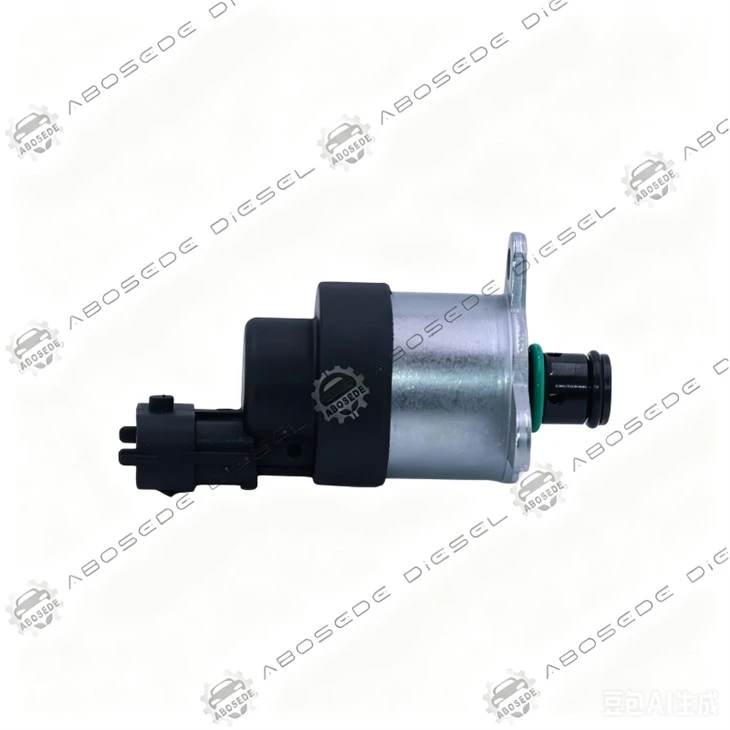

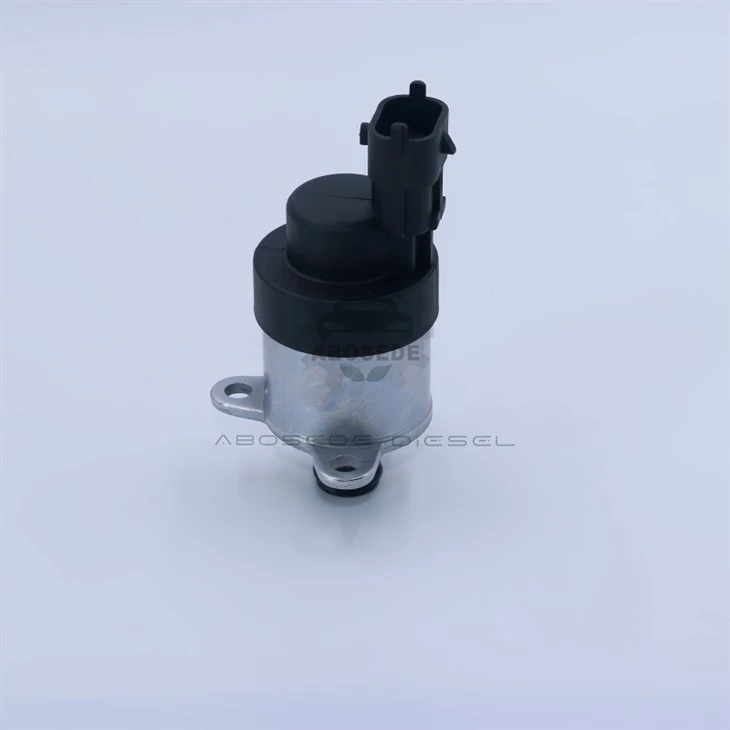
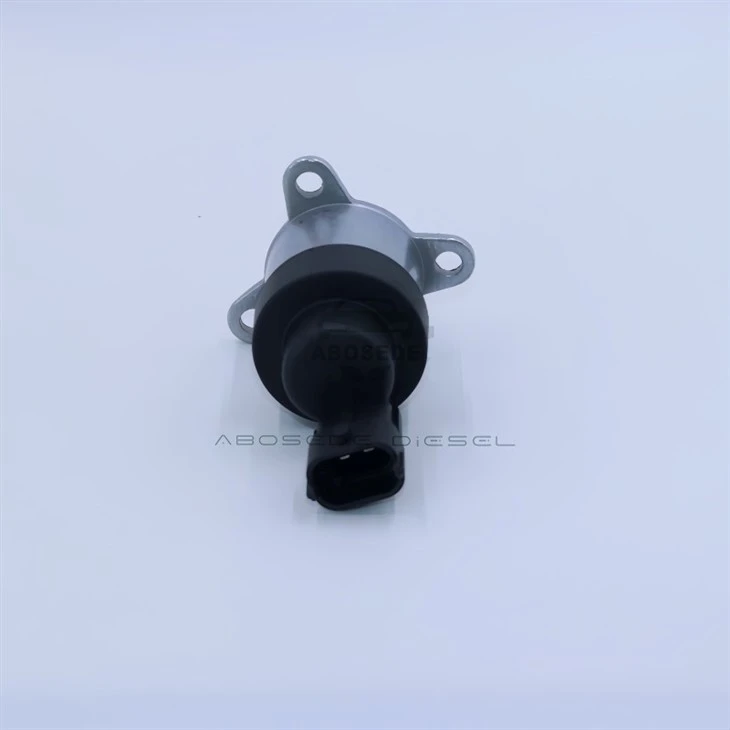
Bosch 0928400827 – The Metering Valve With Balanced Thermal Expansion For Consistent High-Temperature Clearance
1. Product:0928400827
2. Compatible Equipment: Diesel Fuel Injection Systems
3. Manufacturer: Aftermarket OEM Replacement
4. Condition: Brand New, Fully Tested
5. Origin: ABOSEDE Diesel
6. Shipping period: 3-5 business days
7. Payment terms: T/T, Western Union, PayPal
- Fast Delievery
- Quality Assurance
- 24/7 Customer Service
Product Introduction
Every metering valve is a marriage of materials - the spool is typically made from a high‑speed steel, while the sleeve is often a different steel alloy, and the valve body is commonly aluminium. These materials have different coefficients of thermal expansion. When the engine warms up from cold start to operating temperature, the aluminium body expands more than the steel sleeve, and the sleeve expands at a different rate than the spool. These differential expansions can change the spool‑to‑sleeve clearance and the sleeve‑to‑body interference fit, affecting both the leakage and the spool response. The 0928400827 is engineered with a balanced thermal expansion design that compensates for these differential expansions, ensuring that the critical clearances remain stable across the full temperature range. It is a valve that expands at the same rate as its neighbours, so the fit remains consistent.
The Thermal Expansion Problem - Why Clearances Change with Temperature
When the engine is cold, the spool‑to‑sleeve clearance is set to a nominal value - typically 4‑6 µm. When the engine warms up to 120 °C, the aluminium body expands more than the steel sleeve, reducing the interference fit between the sleeve and the body. The sleeve, being steel, expands at a different rate than the spool, which is also steel but may be made from a different alloy. If the spool and sleeve are not made from materials with matched expansion coefficients, the clearance can change - it may increase (causing more leakage) or decrease (causing the spool to stick). The 0928400827 addresses this by using a spool and sleeve that are made from materials with nearly identical coefficients of thermal expansion. The sleeve is also pressed into the body with an interference fit that is calibrated to the expansion of the aluminium body - the fit remains effective at both cold and hot temperatures.
How the Thermal Expansion Is Balanced
The thermal expansion balance is achieved through material selection and clearance calibration. The spool in the 0928400827 is made from a martensitic stainless steel with a coefficient of thermal expansion (CTE) of 10.8 µm/m·K. The sleeve is made from the same alloy, with the same CTE - the spool and sleeve expand at the same rate, so the clearance between them does not change with temperature. The valve body is aluminium with a CTE of 23 µm/m·K, so the sleeve‑to‑body interference fit is calibrated to account for the greater expansion of the aluminium. At 20 °C, the interference fit is 0.012 mm. At 120 °C, the aluminium body expands more than the steel sleeve, reducing the interference fit to 0.003 mm - still sufficient to hold the sleeve securely. This combination ensures that the spool‑to‑sleeve clearance remains at 5 µm across the full temperature range.
Failure Patterns - When Thermal Balance Is Lost
The thermal balance can be lost if the spool or sleeve is made from a different material - for example, if an aftermarket replacement uses a spool made from a standard carbon steel with a higher CTE. When this happens, the spool expands more than the sleeve at high temperatures, reducing the clearance and causing the spool to stick. The first symptom is often a hesitation that worsens as the engine warms up - the spool is free when cold but binds at operating temperature. The genuine 0928400827 is manufactured with the correct materials, and the thermal balance is verified on a temperature test rig.
Installation – The Temperature Stabilisation Check
Installing the 0827 is similar to other CP4 valves - clean the mounting surface, replace the O‑ring and backup ring, torque the retaining nut to 23 Nm ± 2 Nm. However, there is a specific verification step: perform a temperature sweep test after installation. Start the engine cold and monitor the metering valve duty cycle as the engine warms up to operating temperature. The duty cycle should remain stable - if it changes significantly (more than 3 %) as the temperature rises, the thermal balance may be compromised. The test is a simple functional check that can be performed with most diagnostic tools.
Frequently Asked Questions
Q1: How can I tell if my valve's thermal balance is compromised without removing it?
→ Monitor the metering valve duty cycle from a cold start to full operating temperature. If the duty cycle changes by more than 3 % between the cold and hot conditions, the thermal balance may be compromised. A well‑functioning 0827 will show a stable duty cycle across the temperature range.
Q2: Can I use the 0928400827 on a BMW that originally used the 0815?
→ Yes, in most CP4.2 applications. The 0827 has the balanced thermal expansion that is particularly valuable in wide‑temperature applications, and it is a direct replacement for the 0815 in many applications. Always verify compatibility with the engine's calibration.
Q3: Why does my engine run well when cold but develop a hesitation when hot?
→ This is a classic symptom of a valve without balanced thermal expansion - the spool binds as the temperature rises. The 0827 is designed to prevent this by maintaining the clearance across the temperature range.
Q4: What is the most common cause of thermal imbalance in this valve?
→ Using incorrect materials - if the spool is made from a different steel alloy with a different CTE, the clearance changes with temperature. The 0827 uses matched materials to prevent this.
Q5: I replaced the valve but the hot hesitation persists - is the valve defective?
→ Check the rail pressure sensor - a drifting sensor can cause the ECU to command a duty cycle that changes with temperature, appearing as a hesitation. Also, check the injectors - worn injectors can cause a hot hesitation that is not the valve's fault.
Q6: Does the thermal balance work with biodiesel blends?
→ Yes. The thermal balance is based on the material properties, which are not affected by the fuel type. However, biodiesel has a different lubricity, which can affect the wear rate of the spool and sleeve. The 0827 is designed to work with biodiesel blends up to B20.


Flexible Payment Methods for Your Convenience
To make your purchasing experience smooth and easy, we offer a variety of secure payment options:

Bank Transfer
Supports multiple currenciesand bank payment methods.

Western Union
Quick and global money transfers.

PayPal
Safe and convenient online payment.

Alibaba
Enjoy extra protection with trusted Alibaba transactions.
We're here to make your order process worry-free - choose the payment method that works best for you!
Shipping Made Simple

Customer reviews

Hot Tags: bosch 0928400827 – the metering valve with balanced thermal expansion for consistent high-temperature clearance, China bosch 0928400827 – the metering valve with balanced thermal expansion for consistent high-temperature clearance manufacturers, suppliers, factory, 0445120066, Bosch CR Injectors, Bosch Volvo Deutz Renault, F00BC80045, F00RJ01479, Fuel Injector Valve
You Might Also Like
-

Bosch 0928400709 – The Metering Valve That Manages P...
-

0928400698 Bosch Fuel Metering Valve – Hot Restart P...
-

0928400670 Bosch Fuel Metering Valve – Stable Electr...
-

Toyota / Denso Suction Control Valve Kit 04226-0L020...
-

0928400746 — Bosch Fuel Inlet Metering / Pressure Re...
-

0928400820 Fuel Pressure Regulator Valve
