


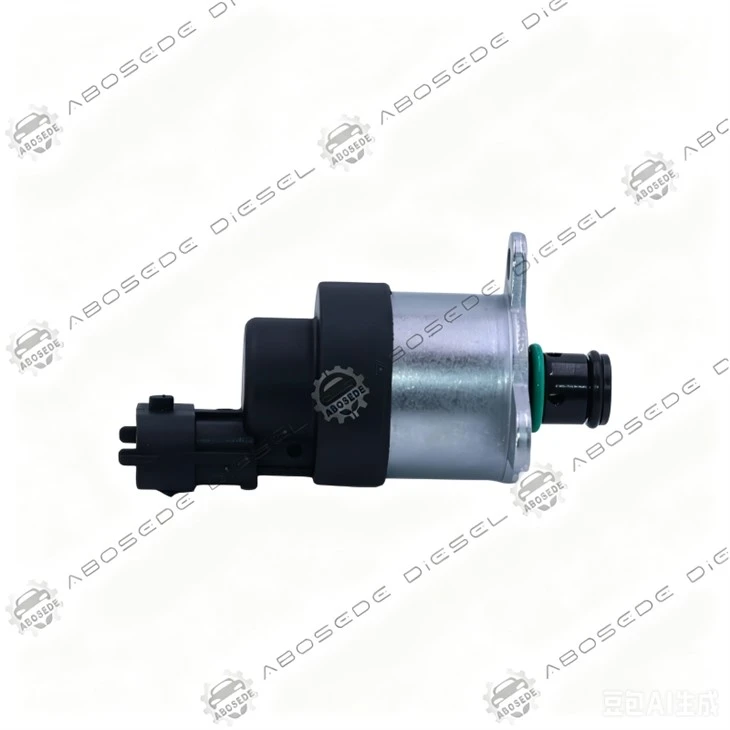

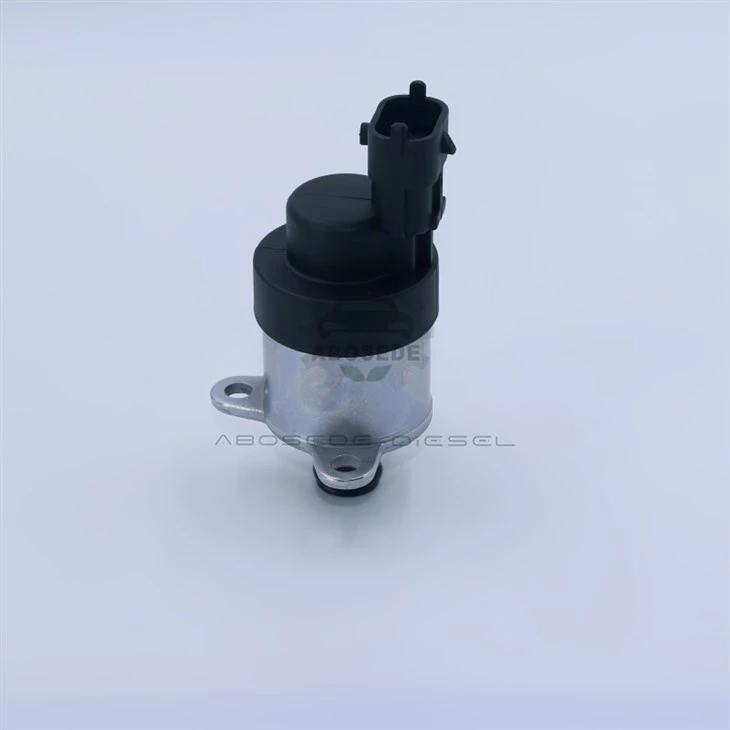
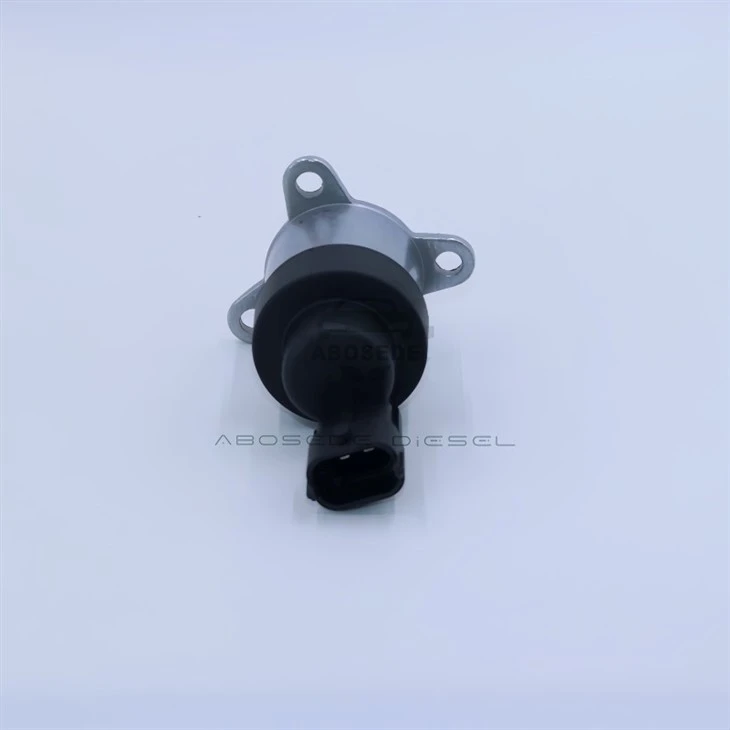
Bosch 0928400826 – The Metering Valve That Learns Faster After Replacement
1. Product:0928400826
2. Compatible Equipment: Diesel Fuel Injection Systems
3. Manufacturer: Aftermarket OEM Replacement
4. Condition: Brand New, Fully Tested
5. Origin: ABOSEDE Diesel
6. Shipping period: 3-5 business days
7. Payment terms: T/T, Western Union, PayPal
- Fast Delievery
- Quality Assurance
- 24/7 Customer Service
Product Introduction
When a metering valve is replaced, the ECU does not instantly know the new valve's characteristics. It must go through an adaptation process - a learning phase where it measures the valve's response and adjusts its internal compensation tables. This process can take anywhere from a few minutes to several hundred kilometres, depending on how closely the new valve matches the ECU's default calibration. The 0928400826 is engineered with a narrower production tolerance than earlier CP4.2 valves, meaning its flow characteristic is closer to the ECU's default expectation. This reduces the adaptation time from several hundred kilometres to approximately 10-15 minutes of driving, and it minimises the fuel trim corrections that the ECU must apply. It does not just fit; it fits within the ECU's expected range, so the learning process is fast and the engine runs correctly from the first drive cycle.
The Adaptation Process – Why It Takes Time
When the ECU is first calibrated, it is programmed with a default flow curve for the metering valve. This default curve represents the average flow characteristic of a new valve from the production line. However, every valve has a slight variation - its flow curve may be 2-3 % higher or lower than the default. When a new valve is installed, the ECU must measure its actual flow characteristic and create a compensation table that corrects for the deviation. This is the adaptation process. During adaptation, the ECU applies a series of test duty cycles and measures the resulting rail pressure. It then calculates the correction factor for each duty point. If the new valve's deviation is large, the adaptation must measure more points and take more time. The 0928400826 is manufactured with a flow tolerance of ±1.5 %, tighter than the ±3 % tolerance of earlier valves, so the deviation from the default curve is small and the adaptation is fast.
How the Tighter Tolerance Is Achieved
The tighter tolerance is achieved through a combination of manufacturing improvements: the spool diameter is ground to a tolerance of ±1 µm instead of ±2 µm; the spring force is matched to the spool and the solenoid on each valve individually; and the valve is tested on a flow bench at three temperatures (20 °C, 80 °C, and 120 °C) to verify that the flow curve is within the specification across the temperature range. The testing data is used to sort the valves into bins - the 0826 is the bin with the narrowest tolerance, and it is the valve that is sent to the aftermarket for replacement. This binning process ensures that every 0826 valve is within the ±1.5 % flow tolerance, so the ECU's adaptation is fast and the engine does not experience a long learning period.
Failure Patterns – When Adaptation Fails
The most common failure in the 0826 related to the learning process is not a mechanical failure but an electronic one: the ECU cannot complete the adaptation because the valve's flow characteristic is outside the expected range. This can happen if the valve is installed without resetting the adaptation data, or if the new valve is from a different tolerance bin. The genuine 0928400826 is tested and binned so that its flow characteristic is within the ECU's adaptation range. If a valve is installed without resetting the adaptation, the ECU will apply the old valve's compensation, which is not valid for the new valve, and the engine may run with a slight hesitation until the adaptation is reset. The 0826's tight tolerance means that even with the old compensation, the error is smaller than with a wider-tolerance valve.
Installation – The Fast Learn Procedure
Installing the 0826 is similar to other CP4 valves – clean the mounting surface, replace the O-ring and backup ring, torque the retaining nut to 23 Nm ± 2 Nm. However, there is a specific procedure that takes advantage of the tight tolerance: perform the adaptation reset and then drive the vehicle through a full warm-up cycle at varying loads. Because the 0826 has a tight tolerance, the ECU will complete the adaptation within the first 10-15 minutes of driving. To speed up the process, drive the vehicle through a range of engine speeds (idle to 3,000 rpm) and loads (light to moderate) during the warm-up period. After the engine reaches normal operating temperature, the adaptation is complete and the engine will run with minimal corrections.
Frequently Asked Questions
Q1: How can I tell if the adaptation process is complete after installing a new 0826?
→ Use a diagnostic tool to read the "metering valve adaptation status" - it will indicate whether the learning is complete. Also, monitor the fuel trim values: once the adaptation is complete, the trim values will be stable and near zero.
Q2: Can I install the 0928400826 on an older CP4.2 pump that originally used the 0727?
→ Yes, in most applications. The 0826 is the latest generation, and it is a direct replacement for the 0727. The tighter tolerance means the adaptation will be faster, which is a benefit even on older pumps.
Q3: Why does my engine still have a slight hesitation after driving for 100 km with the new valve?
→ The adaptation may not have completed if the engine was driven at a constant speed (e.g., highway driving) without varying load. To complete the adaptation, the valve must be exercised through a range of duty cycles. Perform a drive cycle with varying loads - the adaptation will complete within 15-20 minutes.
Q4: What is the most common cause of adaptation failure in this valve?
→ Failure to reset the adaptation data before installing the new valve. The ECU stores the old valve's compensation, and if it is not cleared, the new valve's tight tolerance is not fully utilised. Always reset the adaptation after installing the new valve.
Q5: Does the 0826 require a specific adaptation procedure for the BMW N57 engine?
→ The BMW N57 ECU requires the metering valve adaptation to be performed with the engine at idle and the coolant temperature above 80 °C. The procedure is the same as for other CP4.2 valves, but the BMW diagnostic tool has a specific menu for the adaptation reset.
Q6: I installed a new 0826 and reset the adaptation, but the engine still has a rough idle - is the valve defective?
→ A rough idle after installation and reset is usually caused by an issue elsewhere in the fuel system - check the injector balance rates and the fuel pressure sensor. The valve's tight tolerance means it is rarely the cause of a rough idle after a proper installation and reset.


Flexible Payment Methods for Your Convenience
To make your purchasing experience smooth and easy, we offer a variety of secure payment options:

Bank Transfer
Supports multiple currenciesand bank payment methods.

Western Union
Quick and global money transfers.

PayPal
Safe and convenient online payment.

Alibaba
Enjoy extra protection with trusted Alibaba transactions.
We're here to make your order process worry-free - choose the payment method that works best for you!
Shipping Made Simple

Customer reviews

Hot Tags: bosch 0928400826 – the metering valve that learns faster after replacement, China bosch 0928400826 – the metering valve that learns faster after replacement manufacturers, suppliers, factory, 0445120066, bosch valve, Bosch Volvo Deutz Renault, F00BC80045, F00RJ01479, Fuel Injector Valve
You Might Also Like
-

0928400789 Bosch Fuel Metering Valve – Consistent Fu...
-

Bosch F00VC30054 Injector Solenoid Valve – The Elect...
-

Fuel Rail Pressure Sensor 45PP3-5 (aka 45PP35 / R45P...
-

0928400746 — Bosch Fuel Inlet Metering / Pressure Re...
-

DRV Valve 0281002500 – Diesel Rail Pressure Control ...
-

F00RJ01479 Fuel Injector Valve Assembly – Precision ...
