


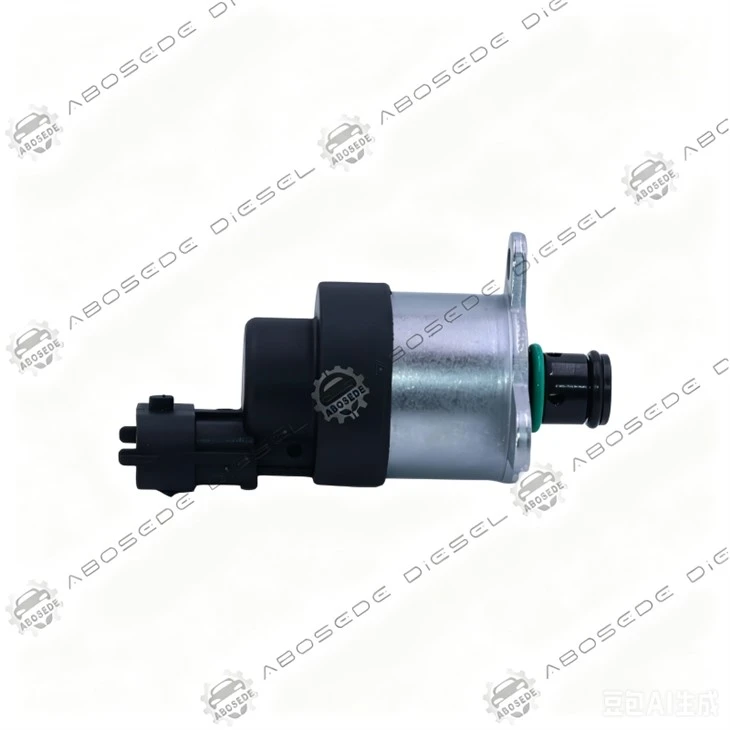

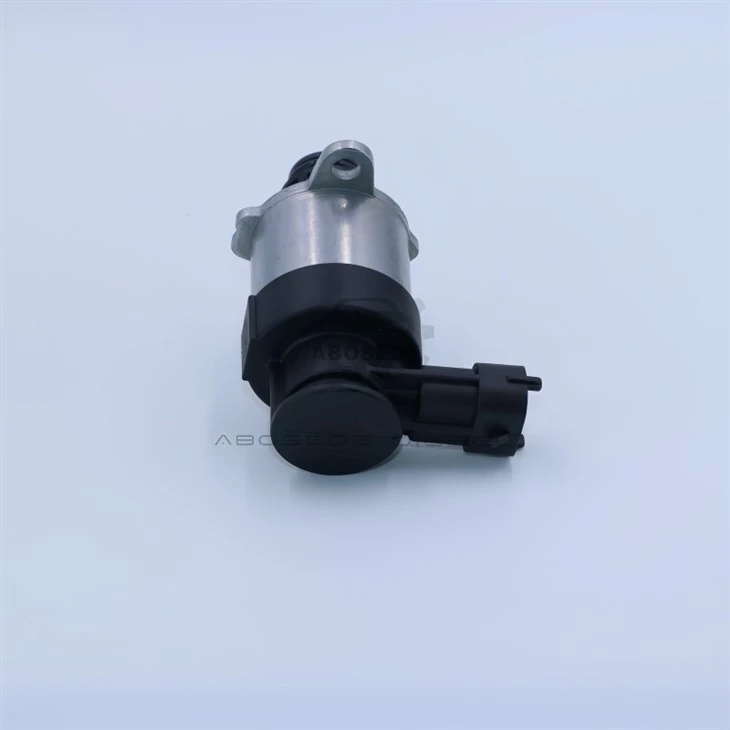
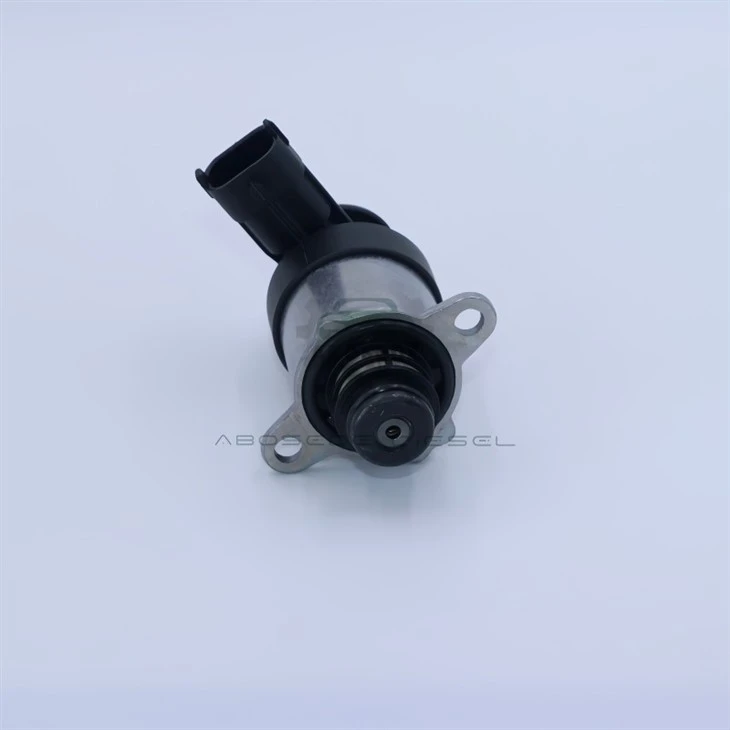
Bosch 0928400638 – The Metering Valve That Sustains Seat-Spindle Geometry For Long-Term Flow Stability
1. Product:0928400638
2. Compatible Equipment: Diesel Fuel Injection Systems
3. Manufacturer: Aftermarket OEM Replacement
4. Condition: Brand New, Fully Tested
5. Origin: ABOSEDE Diesel
6. Shipping period: 3-5 business days
7. Payment terms: T/T, Western Union, PayPal
- Fast Delievery
- Quality Assurance
- 24/7 Customer Service
Product Introduction
In the metering valve, the interface between the spindle and the seat is where the metering precision is ultimately determined. The spindle is the moving element that adjusts the flow area; the seat is the stationary surface against which the spindle closes. Both components are manufactured with specific geometries - the spindle has a taper or radius, and the seat has a matching angle. If these geometries change due to wear, the flow characteristic shifts, and the metering accuracy is lost. The 0928400638 is engineered with a seat-spindle combination that is designed to maintain its geometry over the valve's service life, ensuring that the flow characteristic remains stable even after millions of cycles. It is a valve that keeps its shape, so the flow stays accurate.
The Seat-Spindle Geometry Problem - Why Wear Changes the Flow Curve
The spindle and the seat form a variable orifice - the flow area is determined by the gap between the spindle and the seat. The shape of the spindle's control edge and the angle of the seat determine the relationship between the spindle position and the flow area. If the spindle wears, the control edge becomes rounded, and the flow area changes. If the seat wears, the angle changes, and the flow characteristic shifts. Both forms of wear are inevitable, but their rate and effect can be controlled. The 0928400638 uses a spindle made from a tungsten carbide material that is extremely hard - it resists the abrasive wear that rounds the control edge. The seat is made from a hardened steel that is coated with a chromium nitride layer that resists wear and maintains the angle. The result is a valve that maintains its flow characteristic for the full service life.
How the Seat‑Spindle Geometry Is Maintained
The maintenance of the seat‑spindle geometry is achieved through a combination of material selection, coating, and precision manufacturing. The spindle is made from a tungsten carbide material that has a hardness of 85 HRA - a hardness that is significantly higher than the standard steel used in many valves. The spindle is ground to a specific radius, with a tolerance of ±2 µm, and a surface finish of Ra 0.05 µm. The seat is made from a tool steel that is hardened to 62 HRC and coated with a 2‑µm layer of chromium nitride. The coating is applied using a physical vapour deposition (PVD) process that ensures adhesion and uniformity. The seat angle is ground to a tolerance of ±0.1°, and the surface finish is maintained at Ra 0.04 µm. The combination of the hard spindle material and the coated seat ensures that the geometry is maintained - the wear rate is less than 0.1 µm per 100,000 km of operation.
Failure Patterns - When the Geometry Changes
The seat‑spindle geometry can change if the hard coatings wear through or if the materials are exposed to conditions beyond their design limits. If the chromium nitride coating on the seat is worn through, the underlying steel will wear more rapidly, and the seat angle will change. If the tungsten carbide spindle is chipped - for example, by a large particle in the fuel - the control edge geometry is changed, and the flow characteristic is altered. The first symptom is often a drift in the fuel trim - the ECU must adjust the duty cycle to compensate for the changed flow. The genuine 0928400638 is manufactured with the correct materials and coatings, and the geometry is verified on a profilometer after manufacturing.
Installation – The Geometry Protection Step
Installing the 0638 is similar to other CP3 valves - clean the mounting surface, replace the O‑ring and backup ring, torque the retaining nut to 24 Nm ± 2 Nm. However, there is a specific precaution: do not touch the spindle or the seat with bare fingers. The oils and acids from the skin can leave a residue that can affect the flow at the seat‑spindle interface. Use clean, lint‑free gloves when handling the valve, and if the valve is dropped, inspect the spindle for any visible damage before installation. The geometry is precise, and any impact can alter the control edge radius.
Frequently Asked Questions
Q1: How can I tell if my valve's seat‑spindle geometry has changed without removing it?
→ Monitor the fuel trim at a steady engine speed - if the trim increases over time, the geometry may be changing. A well‑functioning 0638 will have a stable fuel trim over the service life.
Q2: Can I use the 0928400638 on a Duramax that originally used the 0560?
→ Yes, in most CP3.2 applications. The 0638 has the stable geometry that is particularly valuable for long‑term flow stability, and it is a direct replacement for the 0560 in many applications. Always verify compatibility with the engine's calibration.
Q3: Why does my engine have a fuel trim that drifts over time?
→ This is often caused by wear on the seat‑spindle geometry - the flow characteristic changes as the geometry changes. The 0638 is designed to resist this wear and maintain the geometry.
Q4: What is the most common cause of geometry change in this valve?
→ Abrasive wear from particles in the fuel. The 0638 uses hard materials to resist this wear, but if the fuel contains large particles, the wear can be accelerated. Regular fuel filter changes are the most effective prevention.
Q5: I replaced the valve but the fuel trim still drifts - is the valve defective?
→ Check the fuel pressure sensor - a drifting sensor can cause a trim drift that appears to be from the valve. Also, check the injectors - worn injectors can cause a trim drift that the metering valve compensates for.
Q6: Does the seat‑spindle geometry change with the fuel temperature?
→ The geometry is fixed, but the fuel viscosity changes with temperature, which affects the flow. The 0638 is designed to maintain the flow characteristic across the full temperature range through the geometry stability, but a small change is normal and is compensated by the ECU's temperature compensation.


Flexible Payment Methods for Your Convenience
To make your purchasing experience smooth and easy, we offer a variety of secure payment options:

Bank Transfer
Supports multiple currenciesand bank payment methods.

Western Union
Quick and global money transfers.

PayPal
Safe and convenient online payment.

Alibaba
Enjoy extra protection with trusted Alibaba transactions.
We're here to make your order process worry-free - choose the payment method that works best for you!
Shipping Made Simple

Customer reviews

Hot Tags: bosch 0928400638 – the metering valve that sustains seat-spindle geometry for long-term flow stability, China bosch 0928400638 – the metering valve that sustains seat-spindle geometry for long-term flow stability manufacturers, suppliers, factory, 0445120067, Bosch CR Injectors, bosch valve, F00BC80045, F00RJ01479, Fuel Injector Valve
You Might Also Like
-

Bosch 0928400705 – The Metering Valve That Responds ...
-

Bosch 0928400713 – The Metering Valve That Responds ...
-

0281006032 Bosch Common Rail Pressure Control Valve ...
-

Bosch F00BC80045 Fuel Metering Valve – Precision Rai...
-

Toyota / Denso Suction Control Valve Kit 04226-0L020...
-

Fuel Metering Valve F00BC80045 For Bosch Volvo, Deut...
