


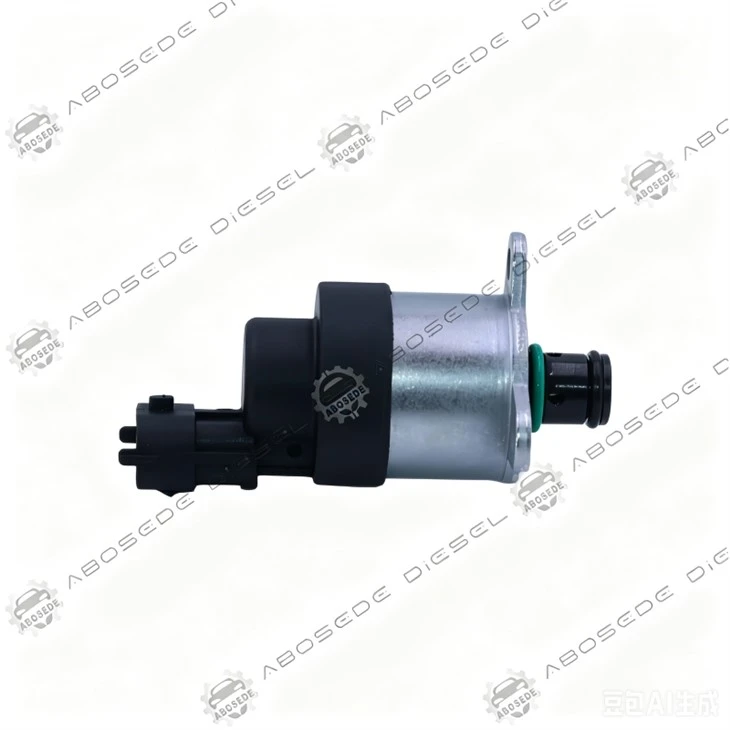


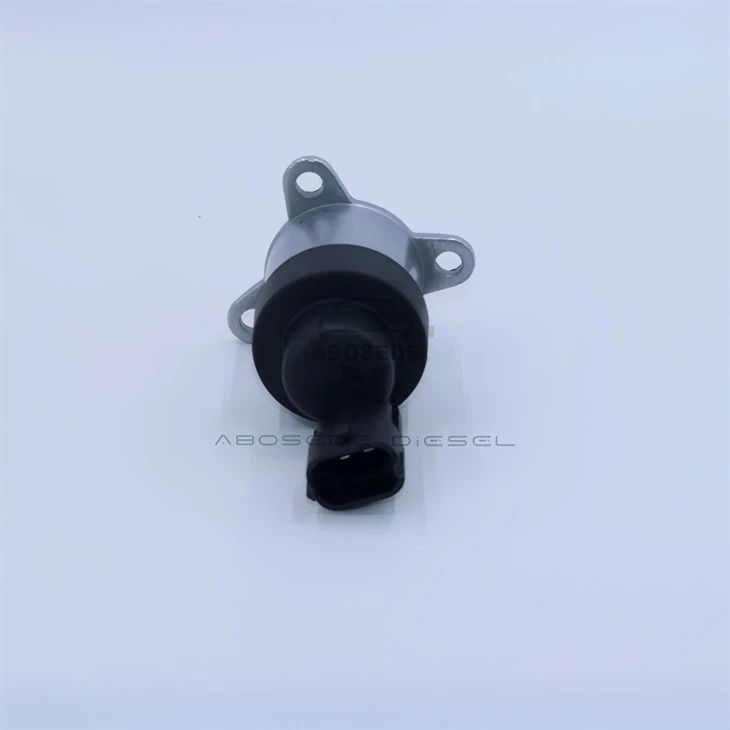
0928400670 Bosch Fuel Metering Valve – Long-Term Calibration Retention & Lifetime Fuel Delivery Accuracy For CP3/CP1H Pumps On Heavy-Duty Diesel Engines
1. Product:0928400670
2. Compatible Equipment: Diesel Fuel Injection Systems
3. Manufacturer: Aftermarket OEM Replacement
4. Condition: Brand New, Fully Tested
5. Origin: ABOSEDE Diesel
6. Shipping period: 3-5 business days
7. Payment terms: T/T, Western Union, PayPal
- Fast Delievery
- Quality Assurance
- 24/7 Customer Service
Product Introduction
The 0928400670 is a Bosch inlet metering valve for CP3 and CP1H high-pressure common rail pumps. The most valuable trait of a metering valve is not how it performs when new, but how well it holds that performance over hundreds of thousands of kilometers. Many valves work acceptably out of the box. Fewer maintain their original flow-to-duty-cycle relationship after years of exposure to hot diesel fuel, constant vibration, and millions of open-close cycles. When calibration drifts, the engine computer compensates by adjusting fuel trim values. These corrections work, but they use up the computer's available adjustment range. When the range is exhausted, a fault code appears and the engine may derate. The 0928400670 is built to delay that point for as long as possible. Its internal materials, surface treatments, and manufacturing precision are selected for calibration stability over extended service life. This valve fits heavy-duty diesel engines using Bosch CP3 or CP1H high-pressure pumps.
What Determines Calibration Life
A metering valve's calibration life depends on how well it resists three changes: spool-to-bore clearance increase, return spring preload loss, and metering edge erosion. Clearance increases when the sliding surfaces of the spool and bore wear against each other. Even microscopic wear adds up over billions of movement cycles. Preload is lost when the return spring gradually relaxes from being held compressed at high temperature. Edge erosion occurs when high-velocity fuel, carrying fine particulate, slowly rounds the sharp metering edges that control flow at small openings. The 0928400670 resists these changes through a DLC-coated spool that reduces friction and wear, a heat-treated and stress-relieved return spring that maintains its preload, and precision-ground metering edges with hardened surfaces. Each of these features individually slows a degradation mechanism. Together, they keep the valve's flow calibration within specification far longer than an uncoated, non-stabilized alternative.
Why Stable Calibration Matters to the ECM
The engine computer relies on a stored fuel map that correlates duty cycle to fuel flow. When the valve's actual flow matches this map, the computer's fuel calculations are accurate from the start. It makes only small, occasional corrections. When the valve drifts, the computer must learn new correction values. This learning process takes time and consumes adaptive range. The computer is always reacting to errors rather than operating from an accurate baseline. This increases fuel consumption slightly, makes the rail pressure less stable during transient events, and leaves less correction margin for other variables like injector aging or seasonal fuel changes. The 0928400670's calibration stability means the computer's fuel map stays relevant longer. Corrections remain small, and the full adaptive range is preserved for when it is genuinely needed.
Economic Value of Extended Calibration Life
For fleet operators, the economic benefit of a longer-lasting valve is straightforward: fewer replacements over the vehicle's life. A valve that drifts out of specification at 300,000 kilometers will be replaced once or twice during a typical truck's first million kilometers. A valve that holds its calibration past 500,000 kilometers may be replaced once or not at all. The difference in part and labor costs adds up across a fleet. There is also the avoidance of unscheduled repairs. A valve that fails gradually and predictably - showing a slow duty cycle drift - can be replaced at a planned service interval. A valve that fails suddenly forces an unplanned workshop visit. The 0928400670's predictable, gradual wear pattern supports planned maintenance scheduling, reducing vehicle downtime.
Monitoring Calibration Health Over Time
Calibration drift is best tracked through the hot idle duty cycle. At each scheduled service, with the engine fully warm and all accessories off, record the duty cycle. A healthy 0928400670 operates at 18–25%. The absolute value matters less than the trend. A valve that shows 22% for three consecutive services is stable. One that moves from 22% to 26% to 29% over three services is drifting. When the value reaches the 30–32% range, plan replacement at the next convenient service before the ECM's correction limit is reached. Also monitor rail pressure stability at steady highway cruise. The actual pressure should stay within ±3 MPa of target. Oscillation or consistent offset indicates the valve is struggling to hold calibration. These simple checks require only a diagnostic scan tool and consistent measurement conditions.
Frequently Asked Questions
Q1: How long should the 0928400670 last before calibration drift becomes significant?
Service life depends on operating conditions - fuel quality, duty cycle, and temperature - but the 0928400670 is designed to hold calibration well beyond 400,000 kilometers under normal heavy-duty conditions. The hot idle duty cycle trend is the best indicator. When it approaches 30–32%, replacement should be planned.
Q2: Can good fuel quality extend the valve's calibration life?
Yes. Clean diesel with good lubricity reduces wear on the spool and bore. Regular fuel filter replacement prevents abrasive particles from reaching the valve. These practices help the valve maintain its original calibration longer.
Q3: Does the 0928400670 need periodic recalibration?
No. The valve is mechanically calibrated during manufacture and cannot be adjusted in the field. The ECM adapts to small changes over time through its fuel trim function. When the ECM can no longer compensate, the valve is replaced.
Q4: What happens if I ignore calibration drift and continue running a worn valve?
The ECM will continue compensating until it reaches its correction limit, typically around 35–40% duty cycle. At that point, a fault code - usually P0089 or P0004 - is stored, and the engine may derate. Running the valve beyond this point risks unstable fuel delivery that can affect injectors and the high-pressure pump.
Q5: Is it normal for calibration to drift slightly with seasonal fuel changes?
A small, temporary shift in duty cycle between summer and winter fuel is normal due to viscosity differences. This is not calibration drift. Calibration drift is a permanent, progressive change that continues in one direction regardless of fuel type.
Q6: Can I compare duty cycle readings between different trucks to assess valve health?
Duty cycle is specific to each valve and engine combination. Small differences between trucks are normal. The useful comparison is the trend on a single vehicle over time. A truck that has risen from 22% to 30% over several services needs attention, even if another truck reads 25%.


Flexible Payment Methods for Your Convenience
To make your purchasing experience smooth and easy, we offer a variety of secure payment options:

Bank Transfer
Supports multiple currenciesand bank payment methods.

Western Union
Quick and global money transfers.

PayPal
Safe and convenient online payment.

Alibaba
Enjoy extra protection with trusted Alibaba transactions.
We're here to make your order process worry-free - choose the payment method that works best for you!
Shipping Made Simple

Customer reviews

Hot Tags: 0928400670 bosch fuel metering valve – long-term calibration retention & lifetime fuel delivery accuracy for cp3/cp1h pumps on heavy-duty diesel engines, China 0928400670 bosch fuel metering valve – long-term calibration retention & lifetime fuel delivery accuracy for cp3/cp1h pumps on heavy-duty diesel engines manufacturers, suppliers, factory
You Might Also Like
-

0928400492 Bosch Fuel Metering Valve – PWM Signal In...
-

0928400739 Bosch Fuel Metering Valve – Precision Fla...
-

0928400588 Bosch Fuel Metering Valve – Precise Low-F...
-

0928400746 — Bosch Fuel Inlet Metering / Pressure Re...
-

0928400825 Fuel Metering Valve For Bosch CP1/CP3 Die...
-

Common-rail Pressure Sensor 0281002909 For Bosch– Ac...
