


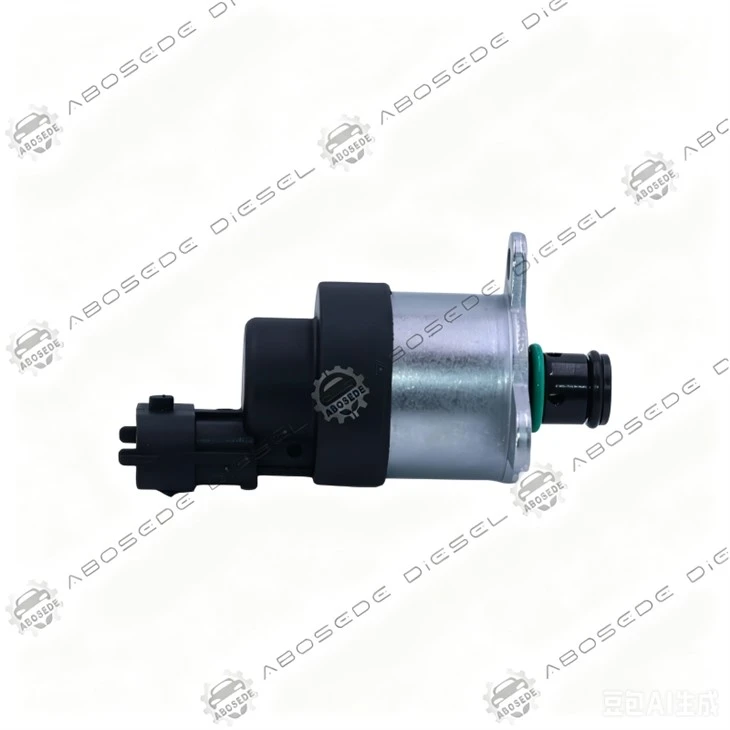

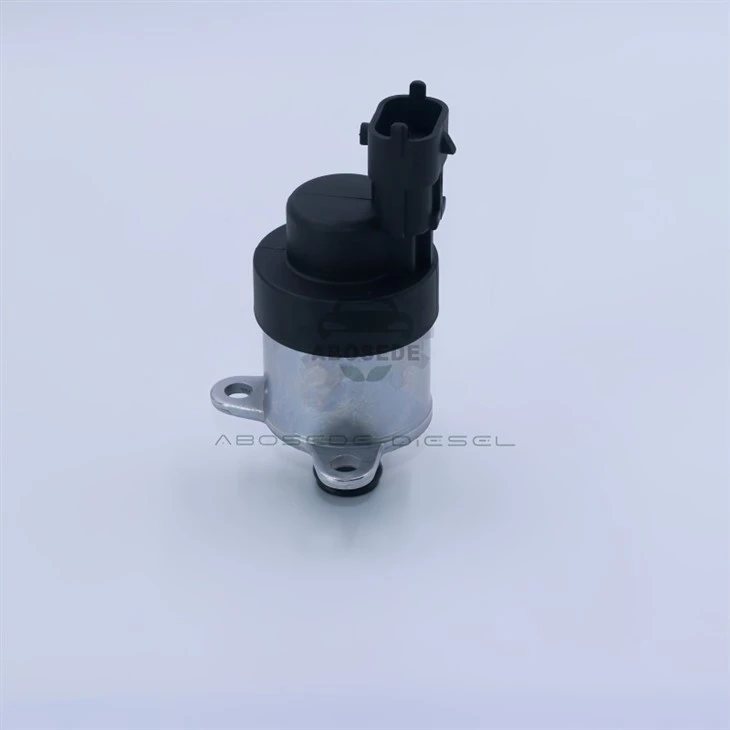
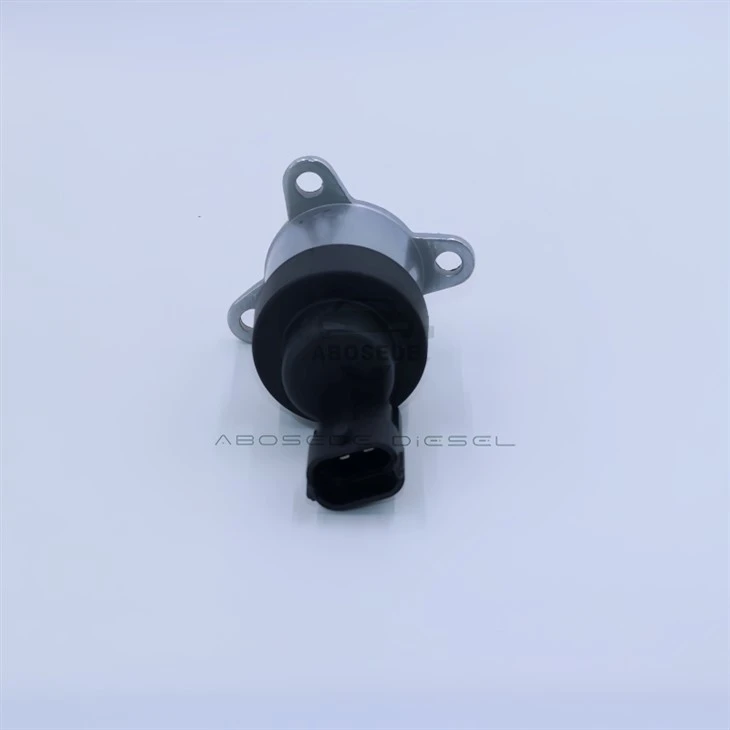
0928400584 Bosch Fuel Metering Valve – Return Flow Management & Fuel Tank Temperature Control For CP3/CP1H Pumps On Heavy-Duty Diesel Engines
1. Product:0928400584
2. Compatible Equipment: Diesel Fuel Injection Systems
3. Manufacturer: Aftermarket OEM Replacement
4. Condition: Brand New, Fully Tested
5. Origin: ABOSEDE Diesel
6. Shipping period: 3-5 business days
7. Payment terms: T/T, Western Union, PayPal
- Fast Delievery
- Quality Assurance
- 24/7 Customer Service
Product Introduction
The 0928400584 is a Bosch inlet metering valve for CP3 and CP1H high-pressure common rail pumps. Most discussion about this valve focuses on what goes into the pump. But the valve also controls what goes back to the tank. A portion of the fuel entering the metering valve does not go into the high-pressure pump at all. It bypasses the pump and returns directly to the fuel tank through the return line. This bypass flow is not a defect - it is an essential function. It carries heat away from the pump, preventing the fuel from overheating. It also helps regulate the temperature of the entire fuel system, including the fuel in the tank. When the bypass flow is correct, the pump stays cool and the fuel in the tank does not get excessively hot. When the bypass flow is too low - because internal passages are restricted or the valve is not opening its bypass path fully - the pump runs hotter, the fuel absorbs more heat, and that heat is carried back to the tank. Hot fuel in the tank can degrade faster, form deposits, and reduce the cooling available for the entire fuel system. The 0928400584 is built with correctly sized internal bypass passages that maintain the designed return flow rate, supporting proper pump cooling and fuel system temperature management. This valve fits heavy-duty diesel engines using Bosch CP3 or CP1H high-pressure pumps.
The Two Paths Fuel Takes Through the Valve
When fuel enters the metering valve from the lift pump, it faces a split. The main path goes through the metering slots into the pump's plunger chambers - this is the forward flow that generates high pressure. The second path bypasses the pump entirely and returns to the fuel tank through the return line. This split is not optional. The high-pressure pump cannot use all the fuel the lift pump supplies, especially at idle and light load. The unused fuel must go somewhere. If it cannot return to the tank, it would recirculate inside the pump, absorbing more heat with each pass until it reaches damaging temperatures. The bypass path solves this by sending the excess fuel back to the tank, where it can cool before circulating again. The 0928400584's internal passages are machined to precise dimensions that set the correct ratio between forward flow and bypass flow. When this ratio stays as designed, the fuel system maintains a stable operating temperature.
What Happens When Bypass Flow Is Restricted
Over time, the bypass passages inside a metering valve can become restricted. Fine debris from the fuel system can accumulate. Varnish-like deposits from heated fuel can narrow the passages. When this happens, less fuel returns to the tank. More fuel stays in the pump area, recirculating and absorbing heat. The pump housing temperature rises. The fuel temperature in the pump rises. This hot fuel eventually makes its way back to the tank through whatever bypass path remains. But the damage is already done - the entire fuel system now runs hotter than designed. Hot fuel is thinner, which reduces the pump's volumetric efficiency. It is also more prone to oxidation, which forms deposits that can clog filters and stick injector components. The fuel tank itself can become a heat reservoir, making it harder for fresh fuel from a refill to bring temperatures down. A valve with restricted bypass flow can still function - the engine will run - but the elevated temperatures silently accelerate wear throughout the fuel system. The 0928400584's clean internal geometry and deposit-resistant surfaces help maintain full bypass flow over long service intervals.
Maintaining Stable Fuel Tank Temperature
Fuel returning to the tank carries heat. In a healthy system, this heat is manageable - the tank radiates enough heat to the surrounding air to keep fuel temperatures within a normal range. But if the metering valve's bypass flow is restricted, a smaller volume of fuel carries the same amount of heat. This smaller volume becomes much hotter. When it reaches the tank, it raises the tank temperature more than a larger volume of cooler return fuel would. Over hours of highway operation, the tank temperature can climb significantly. Hot fuel in the tank affects everything downstream. The lift pump must pump hotter, thinner fuel. The fuel filter sees higher temperatures. The metering valve itself receives hotter fuel at its inlet, making its cooling job even harder. This is a self-reinforcing cycle. The 0928400584 supports stable tank temperatures by maintaining the designed return fuel volume. More volume at a lower temperature removes the same amount of heat with less thermal stress on the entire system.
Simple Temperature Check for Bypass Health
A basic diagnostic check can indicate whether the bypass flow is adequate. After a sustained highway run, stop the vehicle and carefully measure the temperature of the fuel return line where it exits the pump. An infrared thermometer works well for this. On a healthy system with normal bypass flow, the return line temperature should typically fall between 55°C and 75°C. If the temperature is consistently above 85°C, the bypass flow may be restricted. Also feel the fuel tank - it should be warm but not hot. A fuel tank that is uncomfortably hot to the touch after a long run suggests excessive return fuel temperatures. These checks are simple, non-invasive, and can be performed during routine service. If high return temperatures are found, and the fuel filter and lift pump have been confirmed to be in good condition, the metering valve's bypass function should be evaluated.
Frequently Asked Questions
Q1: Can a hot fuel tank damage the fuel system?
Yes. Prolonged exposure to high fuel temperatures accelerates oxidation of the fuel, forming gums and varnishes that can clog filters and stick precision components in the pump and injectors. It also reduces the fuel's lubricity and can make the lift pump work harder. Keeping fuel temperatures within the normal range protects the entire fuel system.
Q2: My truck's fuel tank feels unusually hot after a long run. The engine runs fine and there are no fault codes. Should I be concerned?
Yes. A hot tank indicates that return fuel temperatures are too high. While the engine may run, the elevated temperatures are silently aging the fuel and stressing components. Check the return line temperature. If it is above 85°C, the metering valve's bypass flow may be restricted. Addressing this early prevents long-term damage.
Q3: How can I distinguish a bypass flow problem from a cooling system problem affecting fuel temperature?
A cooling system problem typically raises engine coolant and oil temperatures, which can be seen on the dashboard gauges. A bypass flow problem specifically raises fuel return line and tank temperatures, even when coolant temperature is normal. If the engine temperature is normal but the return line is unusually hot, the metering valve is a more likely cause than the cooling system.
Q4: Does the 0928400584 need any special maintenance to keep the bypass passages clean?
The valve is designed to be self-cleaning under normal fuel flow. The best maintenance is regular fuel filter replacement and using quality diesel fuel. Fuel filters remove the debris that could clog the bypass passages before it reaches the valve. Adhering to the manufacturer's filter replacement schedule is the most effective way to protect the valve's internal passages.
Q5: Can winter fuel affect the return flow temperature?
Winter diesel is blended with lighter fractions for better cold flow properties. These lighter fractions absorb and carry heat differently than summer diesel, but the effect on return flow temperature is usually small. If unusually high return temperatures appear in cold weather, the issue is more likely a restriction than a fuel property change.
*Q6: Will replacing the metering valve with the 0928400584 fix a hot fuel tank problem?
If the hot tank is caused by restricted bypass flow in the old valve, yes. The 0928400584 restores the designed bypass flow volume, reducing return fuel temperature. If the hot tank is caused by another issue - such as a failed fuel cooler on vehicles that have one, or a severely restricted return line - the valve replacement alone may not solve the problem. A diagnosis of the complete fuel return circuit is recommended.


Flexible Payment Methods for Your Convenience
To make your purchasing experience smooth and easy, we offer a variety of secure payment options:

Bank Transfer
Supports multiple currenciesand bank payment methods.

Western Union
Quick and global money transfers.

PayPal
Safe and convenient online payment.

Alibaba
Enjoy extra protection with trusted Alibaba transactions.
We're here to make your order process worry-free - choose the payment method that works best for you!
Shipping Made Simple

Customer reviews

Hot Tags: 0928400584 bosch fuel metering valve – return flow management & fuel tank temperature control for cp3/cp1h pumps on heavy-duty diesel engines, China 0928400584 bosch fuel metering valve – return flow management & fuel tank temperature control for cp3/cp1h pumps on heavy-duty diesel engines manufacturers, suppliers, factory
You Might Also Like
-

0928400654 Bosch Fuel Metering Valve – Stable Pump T...
-

0928400789 Bosch Fuel Metering Valve – Consistent Fu...
-

0928400666 Bosch Inlet Metering Valve – Armature Mic...
-

Bosch F00VC30054 Injector Solenoid Valve – The Elect...
-

0928400473 — Bosch Fuel Control / Metering Valve (Co...
-

Common-rail Pressure Sensor 0281002909 For Bosch– Ac...
