


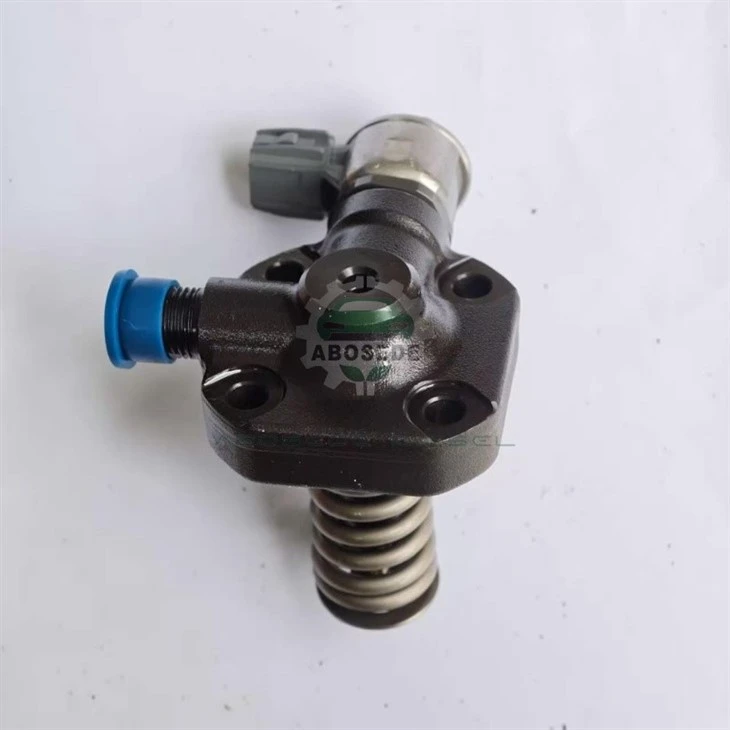
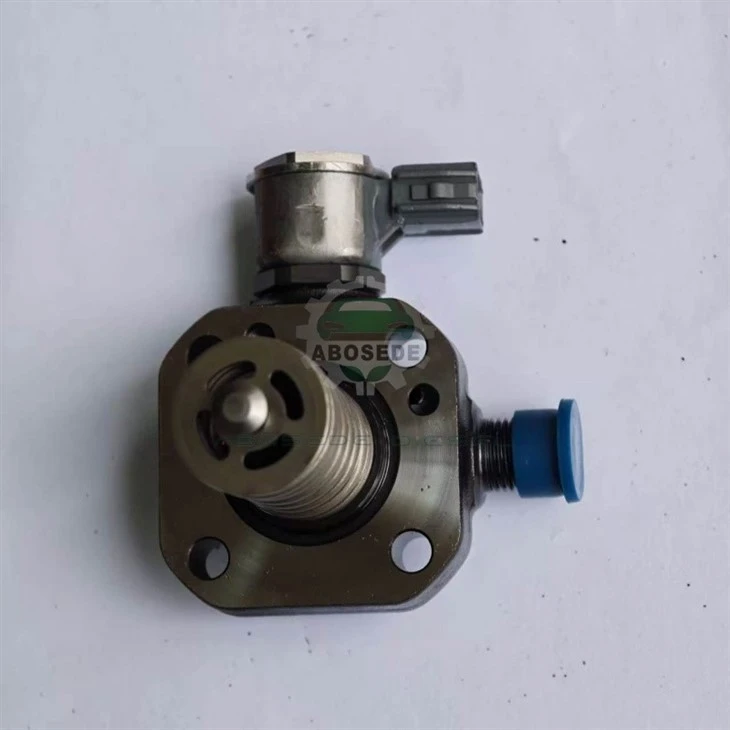
22100-0E020 Plunger – Clearance Leakage, Surface Finish & Volumetric Loss in Denso HP3/HP4 Common Rail Elements
1. Product:22100-0E020 Plunger
2. Compatible Equipment: Diesel Fuel Injection Systems
3. Manufacturer: Aftermarket OEM Replacement
4. Condition: Brand New, Fully Tested
5. Origin: ABOSEDE Diesel
6. Shipping period: 3-5 business days
7. Payment terms: T/T, Western Union, PayPal
- Fast Delievery
- Quality Assurance
- 24/7 Customer Service
Product Introduction
The 22100-0E020 plunger is the component that actually displaces fuel into the high-pressure rail on Toyota 1GD-FTV and 2GD-FTV common rail engines. It is not a simple piston. It is a precision tribological pair with its sleeve, and its performance is defined by the clearance between them, the surface finish on both surfaces, and the way diesel behaves as a lubricant at high pressure and varying temperature. Most descriptions focus on plunger diameter or stroke. Those are important, but they do not explain why a pump with correct dimensions can still lose rail pressure under load. The answer usually sits in the clearance leakage path and the surface condition of the plunger-sleeve interface.
💧 Clearance Leakage: The Efficiency Valve You Cannot See
A plunger must slide inside its sleeve without seizing. That requires a small clearance. But that clearance is also a leakage path. During the compression stroke, high-pressure fuel escapes backward through the annular gap between plunger and sleeve. The amount of leakage depends on clearance cubed. A small increase in clearance produces a much larger increase in leakage. This is why plunger grading is so tight. If the 22100-0E020 plunger is even slightly undersized, or the sleeve is worn, leakage rises and volumetric efficiency falls. The pump still builds pressure at idle, but under high load the leakage outpaces delivery and rail pressure drops. This is a common cause of low power complaints that no electronic fault code explains.
📏 Surface Finish and Hydrodynamic Film Balance
Diesel is the only lubricant available at the plunger-sleeve interface. Its viscosity is low, and it falls further as fuel temperature rises. The hydrodynamic film that separates the surfaces is therefore extremely thin, often below one micron. Surface roughness becomes critical at this scale. If the plunger surface is too rough, asperities penetrate the film and metal-to-metal contact begins. If it is too smooth, the surface cannot retain enough fuel to maintain the film during the suction stroke. Original 22100-0E020 plungers use a controlled surface finish that balances film retention and asperity contact. Polishing a plunger to a mirror finish can actually reduce lubrication performance during the suction phase.
🔄 Geometrical Tolerance: Roundness, Cylindricity and Taper
A plunger is not just a cylinder with a diameter. It must be round, cylindrical along its length, and free of taper. Roundness error creates uneven clearance around the circumference. The leakage path is no longer uniform, and the plunger can tilt under load. Cylindricity error means the clearance changes along the stroke, so leakage varies with plunger position. Taper means one end of the plunger is tighter than the other, which can cause seizure when the pump heats up. The 22100-0E020 plunger is graded by diameter in micron increments, but grade alone is not enough. A plunger that measures correct diameter can still have roundness or taper errors that cause leakage. Always verify geometry, not just size.
🌡 Thermal Expansion and Cold-Start Clearance
The plunger and sleeve are made from hardened steel, but they may not have identical thermal expansion coefficients. During cold start, the clearance is at its design value. As the pump reaches operating temperature, both parts expand. If the expansion is not matched, the clearance either tightens and risks seizure, or opens and increases leakage. The 22100-0E020 plunger is matched to its sleeve material so that the clearance stays within the design window across the temperature range. Mixing a plunger from one batch with a sleeve from another batch can shift that window. This is why rebuilders should keep matched sets together and avoid mixing grades across batches.
❓ FAQ
Q1: Can a plunger with the correct diameter still cause low rail pressure?
Yes. Roundness, cylindricity, and taper errors increase leakage even when diameter is correct. Surface finish and clearance also matter more than diameter alone.
Q2: Why does polishing a plunger sometimes make performance worse?
A mirror finish can reduce fuel retention during the suction stroke. The hydrodynamic film needs a controlled roughness to maintain separation between plunger and sleeve.
Q3: How does clearance affect leakage quantitatively?
Leakage scales with clearance cubed. A small increase in clearance produces a much larger increase in leakage, which is why grading tolerances are so tight.
Q4: Can I replace only the plunger and keep the old sleeve?
No. The clearance is defined by the pair. A new plunger in a worn sleeve still has excessive clearance. Replace both as a matched set.
Q5: What does plunger wear debris look like compared with roller debris?
Plunger debris is finer, darker, and elongated from sliding contact. Roller debris is flatter and brighter from rolling contact fatigue.
Q6: Does fuel temperature affect plunger clearance?
Yes. Thermal expansion changes clearance as the pump heats up. If plunger and sleeve expansion are not matched, clearance can tighten or open beyond the design window.
Basic Information about the Company


Flexible Payment Methods for Your Convenience
To make your purchasing experience smooth and easy, we offer a variety of secure payment options:

Bank Transfer
Pay directly in 15 supported currencies.

Western Union
Quick and global money transfers.

PayPal
Safe and convenient online payment.

Alibaba
Enjoy extra protection with trusted Alibaba transactions.
We're here to make your order process worry-free - choose the payment method that works best for you!
Shipping Made Simple

Customer reviews

Hot Tags: 22100-0e020 plunger – clearance leakage, surface finish & volumetric loss in denso hp3/hp4 common rail elements, China 22100-0e020 plunger – clearance leakage, surface finish & volumetric loss in denso hp3/hp4 common rail elements manufacturers, suppliers, factory, denso parts
You Might Also Like
-

095300-0040 Plunger & Barrel Assembly – Single PCV, ...
-

HP0 Plunger Assembly 094040-0360 – Yellow-Coded Sing...
-

Denso HP0 Plunger & Barrel Assembly 094150-0250 – Sh...
-

DENSO HP0 Plunger Assembly 094150-0330 – Short Core ...
-

Denso HP0 Pump Plunger 094150-0310
-

16700A020P / 299090-0040 HP5E Fuel Injection Plunger...
