


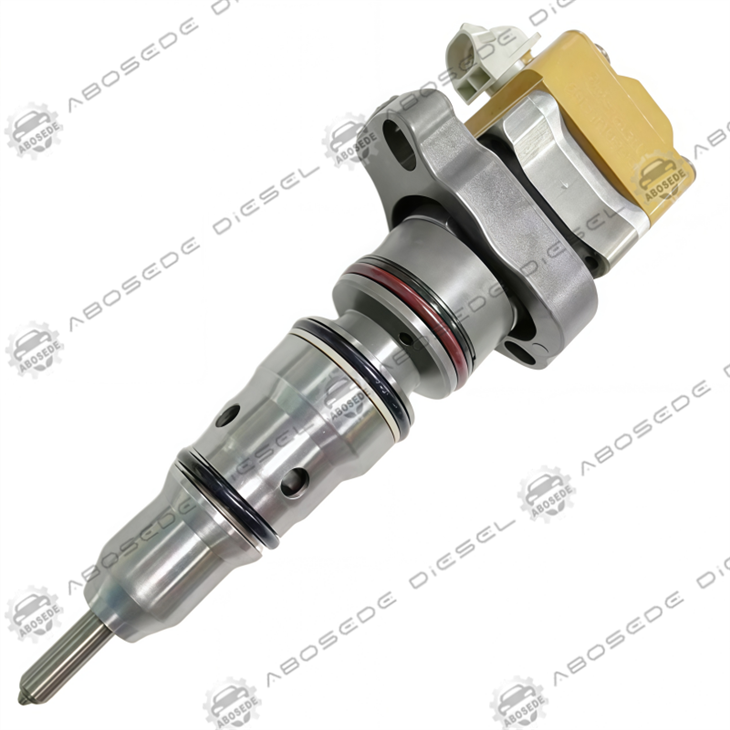

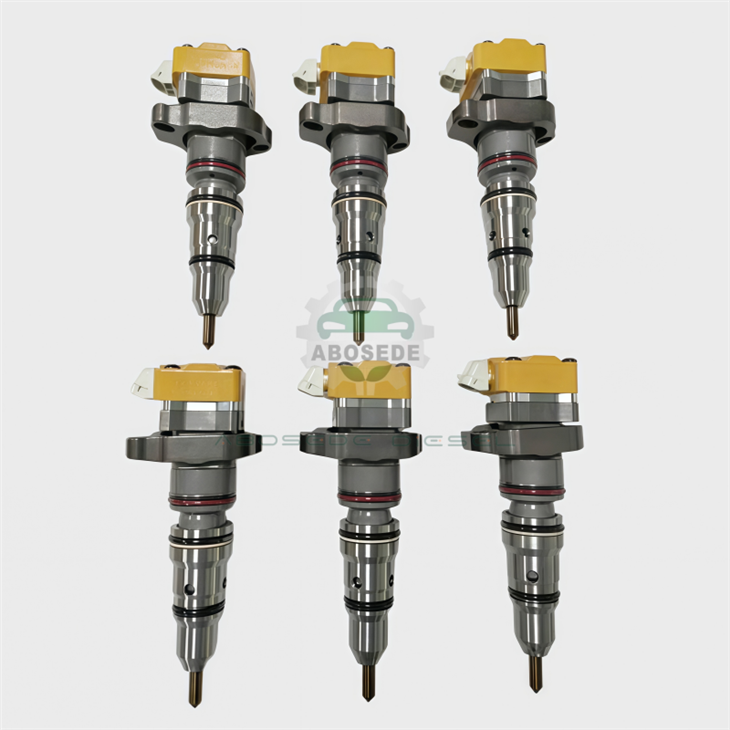
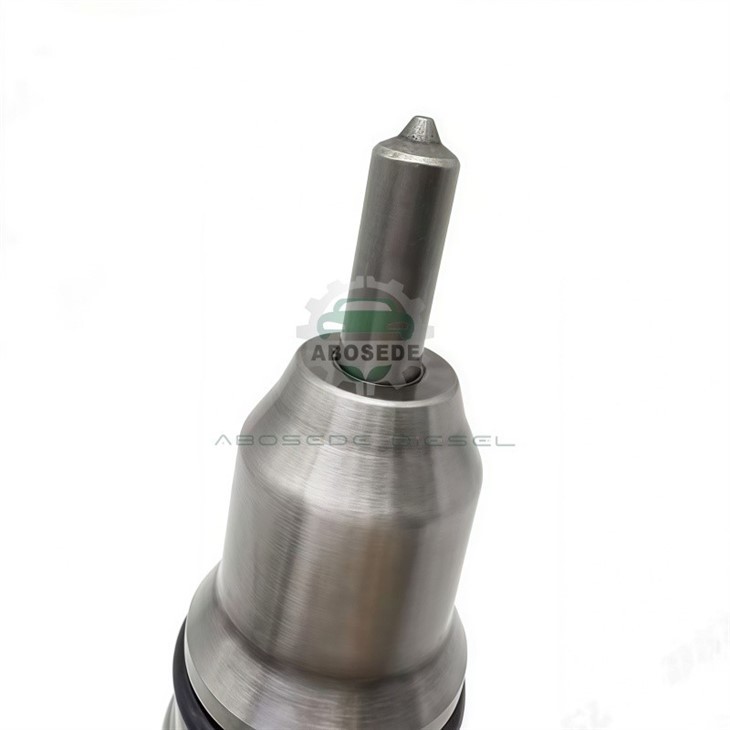

CAT 131-7150 Mechanical Unit Injector for CAT 3304/3306/3306B: Low-Speed Spray Geometry & Common-Rail Diagnostic Contrast
1. Product:131-7150
2. Compatible Equipment: Diesel Fuel Injection Systems
3. Manufacturer: Aftermarket OEM Replacement
4. Condition: Brand New, Fully Tested
5. Origin: ABOSEDE Diesel
6. Shipping period: 3-5 business days
7. Payment terms: T/T, Western Union, PayPal
- Fast Delievery
- Quality Assurance
- 24/7 Customer Service
Product Introduction
The 131-7150 is not a common-rail injector. It is a mechanical unit injector for CAT 3304, 3306 and 3306B industrial diesels. That distinction is exactly why it matters in common-rail diagnostics. Common-rail systems control fuel mass through rail pressure, solenoid timing and multiple injections. A mechanical unit injector controls fuel mass through plunger stroke, camshaft profile and nozzle opening pressure. When an industrial engine smokes, derates or dilutes oil, the root cause may be spray penetration at governed speed-not an electronic trim value. This guide covers fitment, low-speed spray data, installation timing, failure patterns and procurement checks.
📊 Low-Speed Spray Data
Industrial engines typically run at 1,500–1,800 RPM. Piston dwell at top dead centre is longer, and cylinder air swirl is weaker than in a 2,000+ RPM highway engine. The 131-7150 compensates with nozzle geometry rather than high rail pressure.
| Parameter | Service target | Diagnostic meaning |
|---|---|---|
| Nozzle orifices | 5 × ø0.30 mm | Improves early fuel mass |
| Spray cone angle | 118° ±2° | Maintains axial penetration |
| Nozzle opening pressure | 235 ±10 bar | Controls start of injection |
| Plunger diameter | 7.0 mm ±0.002 mm | Determines fuel delivery |
| Plunger stroke | 6.8 mm cam-limited | Fixed fuel quantity per stroke |
| Needle lift | 0.33 mm mechanical stop | Affects flow and seating |
| Internal leakage | ≤ 0.18 cc/min | Plunger-barrel clearance check |
| Peak injection pressure | ≈ 270 bar nominal | Lower than common rail, geometry-dependent |
| High-pressure connection | JIC flare | Leak and aeration point |
⚙️ Why Spray Geometry Changes at Governed Speed
At low engine speed, the fuel spray must carry its own momentum into the combustion bowl. A narrower 118° cone concentrates the plume and extends penetration by roughly 8–10% compared with a 124° cone. The larger 0.30 mm orifices reduce pressure drop and deliver more fuel early in the injection window. In a common-rail engine, the ECM can compensate with higher rail pressure or multiple injections. A mechanical unit injector cannot change its pressure curve in real time, so nozzle geometry is the primary tool. Misdiagnosing a spray penetration problem as a common-rail pressure fault leads to unnecessary pump or sensor replacement.