


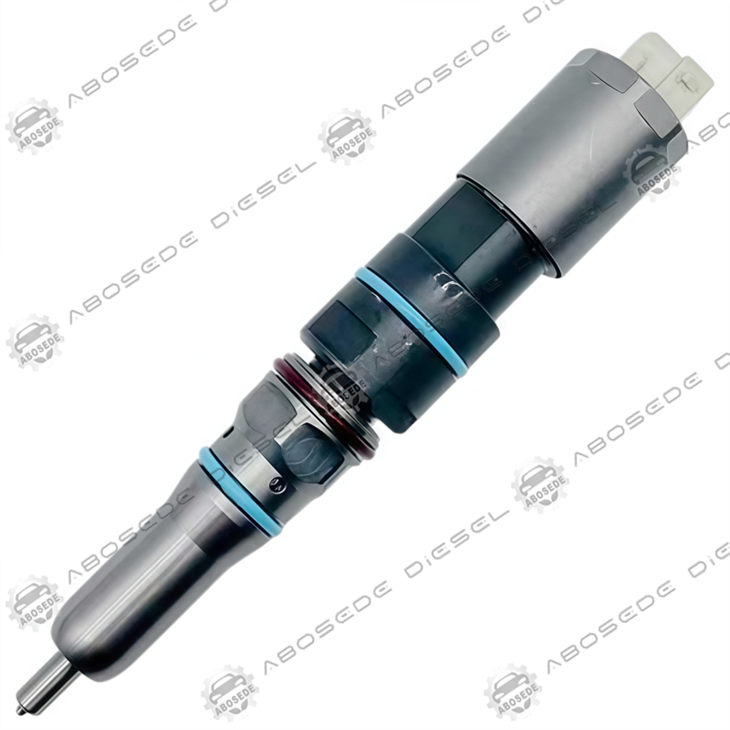
C9.3 Fuel Injector 20R-5077 | High-Performance Remanufactured Diesel Common Rail Solution
1. Product:20R-5077
2. Compatible Equipment: Diesel Fuel Injection Systems
3. Manufacturer: Aftermarket OEM Replacement
4. Condition: Brand New, Fully Tested
5. Origin: ABOSEDE Diesel
6. Shipping period: 3-5 business days
7. Payment terms: T/T, Western Union, PayPal
- Fast Delievery
- Quality Assurance
- 24/7 Customer Service
Product Introduction
In the demanding world of heavy-duty diesel engineering, the integrity of the fuel injection system dictates the overall performance of the engine. The C9.3 Fuel Injector 20R-5077 is not merely a replacement part; it is a precision-engineered component designed to restore and elevate the operational capabilities of Caterpillar C9.3 industrial engines. Unlike standard fuel delivery components, this injector is built to withstand the rigorous high-pressure environment of modern common rail systems. As a remanufactured unit (denoted by the "20R" prefix), it combines the sustainability of core recycling with the reliability of OEM specifications, ensuring that every drop of diesel is atomized with exactitude for maximum thermal efficiency and minimal emissions.
🔧 Technical Specifications & Data
To ensure seamless integration into your existing engine architecture, the 20R-5077 adheres to strict dimensional and performance tolerances.
| Specification | Detail |
|---|---|
| Part Number | 20R-5077 |
| Engine Application | Caterpillar C9.3 Industrial Diesel Engine |
| System Type | High-Pressure Common Rail (HPCR) |
| Voltage | 24V Solenoid Actuation |
| Injection Pressure | Up to 2500 Bar (System Dependent) |
| Condition | Remanufactured (Tested to OEM Standards) |
🌊 Superior Atomization & Combustion Efficiency
The primary function of this injector is to convert liquid diesel into a fine mist. The 20R-5077 utilizes precision-machined nozzle holes that create a specific spray pattern tailored to the C9.3 combustion chamber geometry. Proper atomization increases the surface area of the fuel, allowing for a more complete burn. This results in two major benefits for the end-user: increased horsepower output and a significant reduction in unburnt hydrocarbons and soot. For fleet managers and equipment operators, this translates directly to lower fuel consumption and compliance with stringent emission regulations.