


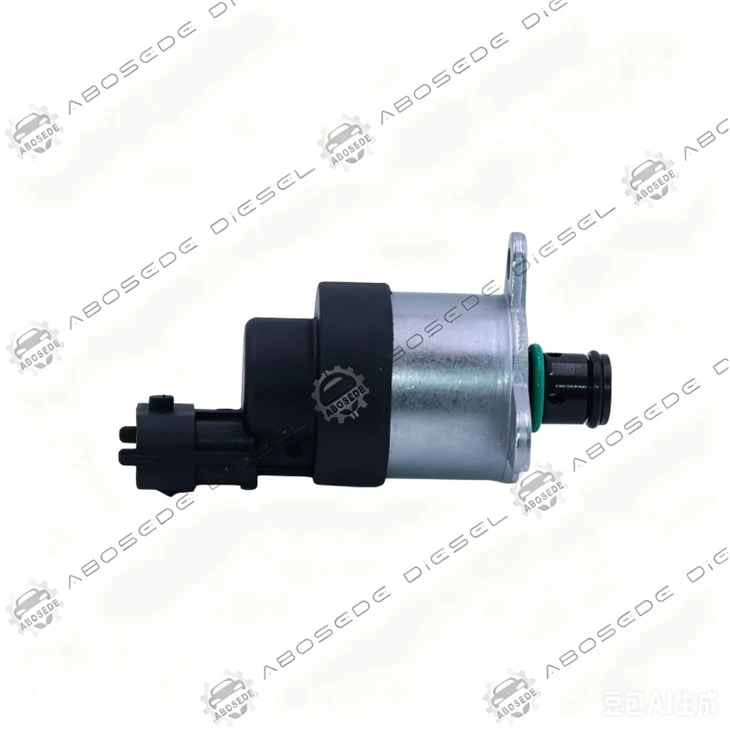

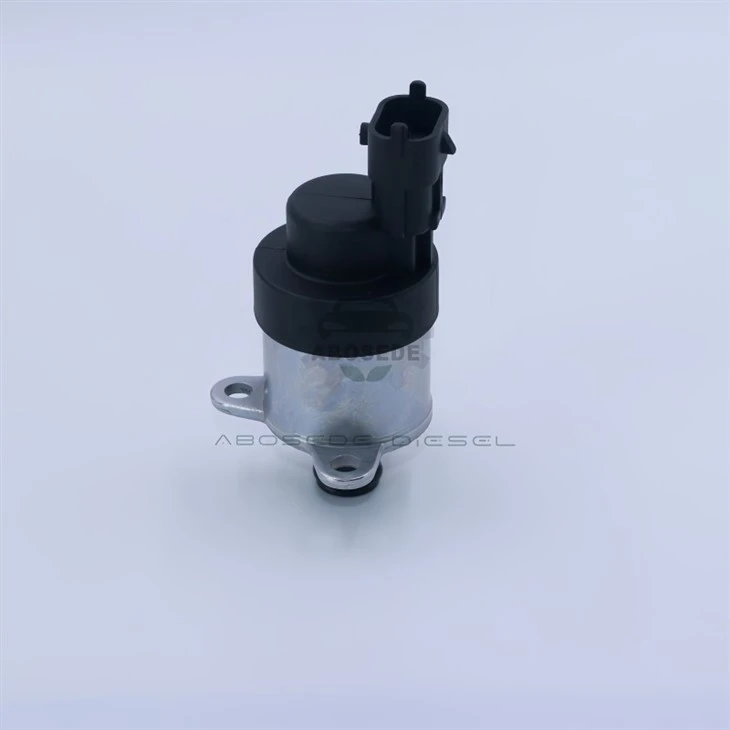
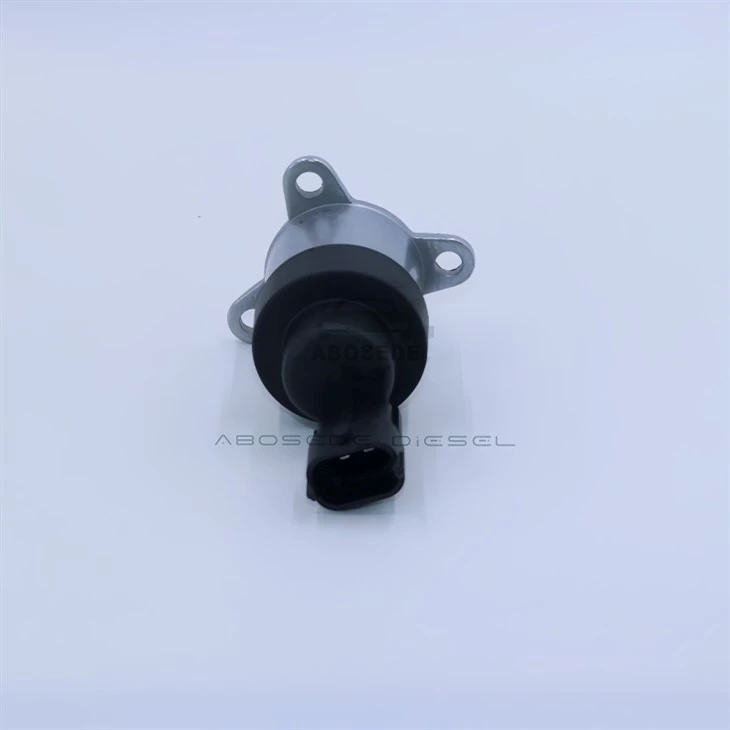
Bosch 0928400681 – The Metering Valve With Stable Pilot Oil Circuit For Predictable Spool Response
1. Product:0928400681
2. Compatible Equipment: Diesel Fuel Injection Systems
3. Manufacturer: Aftermarket OEM Replacement
4. Condition: Brand New, Fully Tested
5. Origin: ABOSEDE Diesel
6. Shipping period: 3-5 business days
7. Payment terms: T/T, Western Union, PayPal
- Fast Delievery
- Quality Assurance
- 24/7 Customer Service
Product Introduction
Inside every CP4.2 metering valve, there is a hydraulic control circuit that determines how quickly and smoothly the spool moves in response to the solenoid's command. This circuit-comprising the pilot orifice, the damping chamber, and the pressure feedback paths-governs the valve's dynamic behaviour. If the pilot circuit is not well-controlled, the spool can oscillate, overshoot, or move too slowly, introducing a metering error that the ECU cannot fully compensate. The 0928400681 is engineered with a pilot circuit that is calibrated for consistent spool response across the full operating range, ensuring that the valve's dynamic behaviour is predictable and stable. It is a valve that moves the way the ECU expects it to move.
The Pilot Circuit – The Hidden Controller of Spool Dynamics
The spool in a metering valve is not moved directly by the solenoid-it is moved by the difference between the solenoid's magnetic force and the hydraulic force from the fuel. This hydraulic force is influenced by the pressure on both sides of the spool, which is controlled by a small pilot circuit. The pilot circuit consists of a calibrated orifice that limits the flow of fuel into the chamber behind the spool, and a damping chamber that absorbs pressure fluctuations. When the solenoid pulls the armature, the spool moves, and the pilot circuit creates a feedback force that opposes the movement-a force that is proportional to the speed of the spool. This feedback is essential for stable control, as it prevents the spool from oscillating. The 0928400681 has a pilot circuit that is precisely matched to the spool's mass and the solenoid's force, ensuring a critically damped response.
How the Pilot Orifice and Damping Chamber Work
The pilot orifice is a small hole-typically 0.25 mm in diameter-that connects the inlet pressure to the chamber behind the spool. When the spool moves forward (toward the closed position), it displaces fuel from the chamber, and the flow through the pilot orifice creates a pressure drop that opposes the movement. This hydraulic resistance is the primary source of damping in the valve. The 0928400681 uses a pilot orifice that has been laser-drilled to a tolerance of ±2 µm, ensuring that the damping force is consistent from one valve to the next. The damping chamber is a cavity behind the spool that is sized to provide a specific volume of fuel-the volume determines how quickly the pressure in the chamber changes, which affects the damping characteristic. The chamber is also sized to ensure that the spool is critically damped-it returns to the commanded position without overshoot or oscillation.
Failure Patterns – When the Pilot Circuit Is Compromised
The pilot orifice is vulnerable to blockage from varnish deposits or debris in the fuel. When the orifice is partially blocked, the damping force changes-the spool moves more quickly because there is less hydraulic resistance, and it may overshoot the commanded position. The first symptom is often a pressure spike on tip-in-the rail pressure rises above the commanded pressure because the spool has moved too far. The genuine 0928400681 uses a pilot orifice that is positioned in a high-flow area, so the flow of fuel through the orifice helps to keep it clear. The damping chamber is also designed so that any debris that enters is trapped in a stagnant zone, not at the orifice. If the orifice does become blocked, the only solution is to replace the valve-the orifice is not field-serviceable.
Installation – The Damping Verification
Installing the 0681 is similar to other CP4 valves-clean the mounting surface, replace the O-ring and backup ring, torque the retaining nut to 23 Nm ± 2 Nm. However, there is a specific verification step: perform a transient response test after installation. Using a diagnostic tool, command a rapid duty cycle step from 20 % to 60 % and back to 20 % while monitoring the rail pressure. The pressure should rise and fall smoothly without overshoot or oscillation. If the pressure spikes or oscillates, the pilot circuit may be compromised-either the valve is not seated correctly, or the damping chamber is blocked. The genuine 0681 is tested on a transient test rig at the factory, so if the installation is correct, the response should be as specified.
Frequently Asked Questions
Q1: How can I tell if my valve's pilot circuit is working correctly without removing it?
→ Perform a duty cycle step test using a diagnostic tool: command a rapid change from 20 % to 60 % duty and back. Monitor the rail pressure. If the pressure overshoots by more than 20 bar or oscillates before settling, the pilot circuit may be compromised. A well-functioning 0681 will show a smooth response with minimal overshoot.
Q2: Can I clean the pilot orifice if it becomes blocked?
→ No. The pilot orifice is a precision component that is not accessible without disassembling the valve-which would destroy its calibration. If the orifice is blocked, the valve must be replaced.
Q3: Why does my VW Touareg show a pressure spike on tip-in after a fuel filter change?
→ A fuel filter change can introduce debris into the fuel system if the filter housing was not cleaned. Debris can block the pilot orifice, causing the spool to move too quickly and overshoot. The 0681 is designed to resist blockage, but if debris enters the valve, the only solution is replacement.
Q4: What is the most common cause of pilot orifice blockage in this valve?
→ Varnish deposits from low-quality diesel and debris from a degraded fuel filter. The 0681 is designed to resist varnish accumulation through the positioning of the orifice, but regular fuel filter changes are still the most effective prevention.
Q5: I replaced the valve with a genuine 0681, but the pressure still oscillates-is the valve defective?
→ Check the wiring harness for noise-electrical noise can cause the ECU to command erratic duty cycles, which will cause pressure oscillations regardless of the valve's performance. Also, check the rail pressure sensor-a drifting sensor can cause the ECU to apply incorrect corrections.
Q6: Does the pilot orifice size change with temperature?
→ No, the orifice is a fixed size. However, the viscosity of the fuel changes with temperature, which changes the damping force-higher viscosity fuel creates more damping, lower viscosity creates less. The 0681 is calibrated to provide stable damping across the viscosity range of standard diesel fuel.


Flexible Payment Methods for Your Convenience
To make your purchasing experience smooth and easy, we offer a variety of secure payment options:

Bank Transfer
Supports multiple currenciesand bank payment methods.

Western Union
Quick and global money transfers.

PayPal
Safe and convenient online payment.

Alibaba
Enjoy extra protection with trusted Alibaba transactions.
We're here to make your order process worry-free - choose the payment method that works best for you!
Shipping Made Simple

Customer reviews

Hot Tags: bosch 0928400681 – the metering valve with stable pilot oil circuit for predictable spool response, China bosch 0928400681 – the metering valve with stable pilot oil circuit for predictable spool response manufacturers, suppliers, factory, Bosch CR Injectors, bosch valve, Bosch Volvo Deutz Renault, Diesel Control Valve, F00RJ01479, Fuel Injector Valve
You Might Also Like
-

Bosch 0928400700 – The Metering Valve With Optimized...
-

0928400584 Bosch Fuel Metering Valve – Fuel Compatib...
-

0928400642 Bosch Fuel Metering Valve – Linear Flow R...
-

0928400726 Bosch Inlet Metering Valve – High-Duty Ma...
-

0928400492 Bosch Inlet Metering Valve – Coil Insulat...
-

04226-0L020 Suction Control Valve – Closed‑Loop Resp...
