


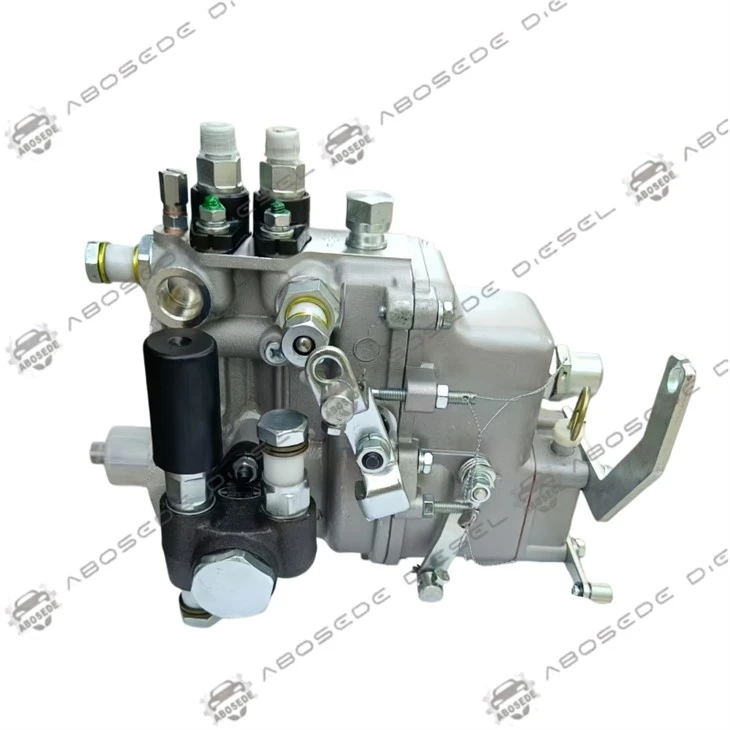

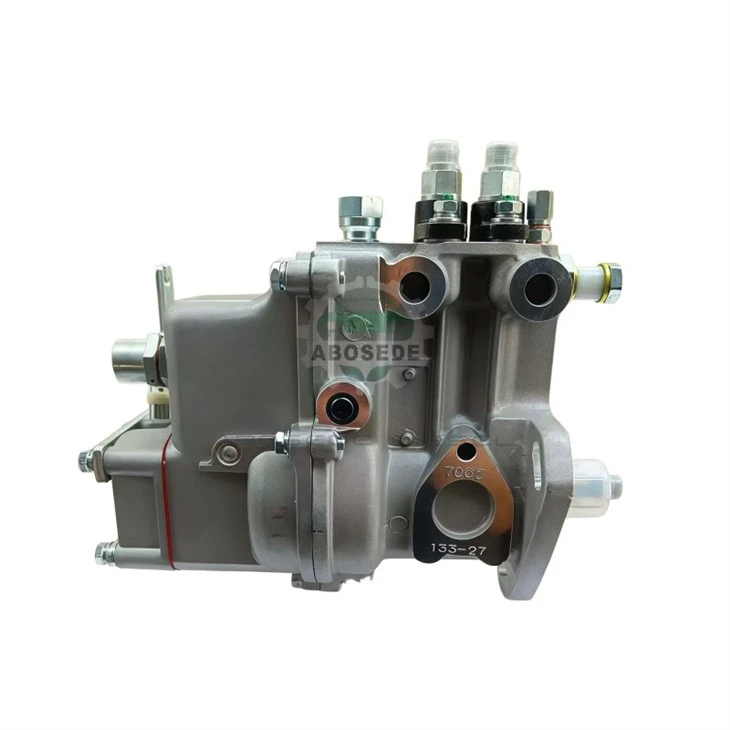
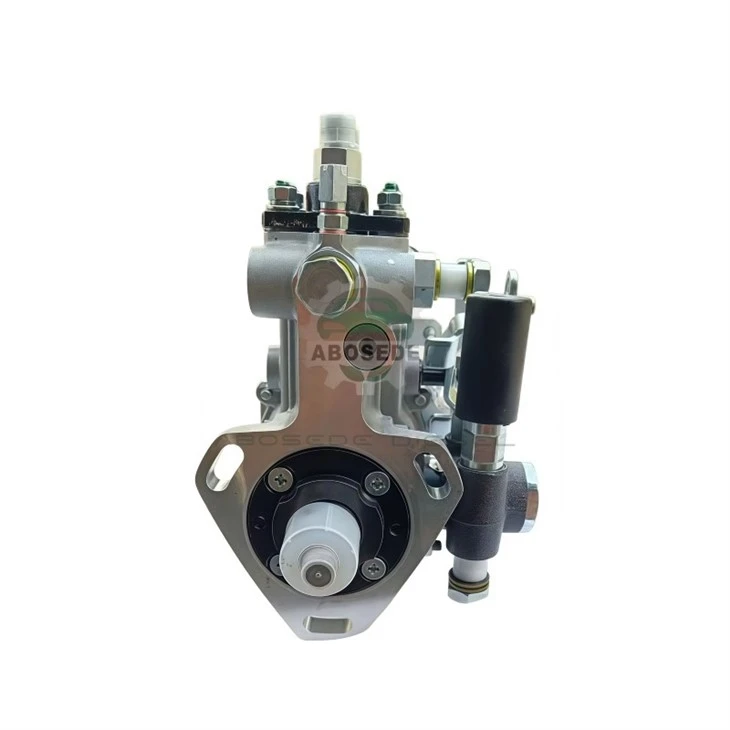
KANGDA 2Q93 / BH2Q85R8 – Mechanical Fuel Pump For Lijia SL2110 Diesel Engine
1. Product: 2Q93 / BH2Q85R8
2. Compatible Equipment: Diesel Fuel Injection Systems
3. Manufacturer: Aftermarket OEM Replacement
4. Condition: Brand New, Fully Tested
5. Origin: ABOSEDE Diesel
6. Shipping period: 3-5 business days
7. Payment terms: T/T, Western Union, PayPal
- Fast Delievery
- Quality Assurance
- 24/7 Customer Service
Product Introduction
Every hour your SL2110‑powered machine sits idle waiting for injection pump repair, your workshop loses billable labour and your customer loses harvest windows or concrete pour schedules. The KANGDA 2Q93 (model BH2Q85R8) addresses this exact financial equation-not as a fancy upgrade, but as a predictable, swappable component that gets a 27 kW, 2200 RPM two‑cylinder Lijia engine back to work before the rental meter ticks past breakeven. For shop owners stocking parts for agricultural tractors and gen‑sets across Africa and Southeast Asia, this pump reduces the painful arithmetic of repeated towing charges, emergency courier fees for overnight parts, and the hidden labour of diagnosing intermittent electronic faults that simply do not exist on this mechanical governor‑controlled unit.
🔩 Matching Engine Platform and Power Class
The BH2Q85R8 is exclusively calibrated for the naturally aspirated SL2110 engine produced by Lijia Machinery. This powerplant features a bore‑and‑stroke combination that produces maximum torque near 1600‑1800 RPM, making it suitable for paddy field operations and off‑grid power generation. The pump's 8.5 mm plunger diameter (denoted by the "85" in the model code) determines the fuel volume delivered per stroke, directly supporting the engine's 27 kW net output at rated speed. Unlike electronically governed units, this pump uses a mechanical centrifugal governor that adjusts the fuel rack position based on rotational speed, providing stable idling and overload protection without requiring battery or sensor inputs-a critical advantage in remote job sites where electrical systems are often compromised.
⚙️ Technical Construction and Fuel Delivery Characteristics
The BH2Q85R8 operates as a two‑plunger in‑line pump with a clockwise rotation when viewed from the drive end. Each plunger serves one cylinder in the firing order 1‑2‑0‑0, with the delivery valve holder maintaining residual line pressure to prevent secondary injection and nozzle dribble. The maximum injection pressure reaches approximately 50 MPa, suitable for pintle‑type nozzles commonly used in this horsepower segment. The pump body incorporates a built‑in feed pump that draws fuel from the tank, and the mechanical governor includes both speed‑sensitive and load‑sensitive elements to respond to changing operational demands. For rebuilders, the plunger and barrel assemblies are precision‑matched sets that must be replaced together; mixing components from different production batches alters the injection timing and volumetric efficiency. This pump does not incorporate the CP3 or CP4 high‑pressure rotary designs found on modern truck engines, which means it avoids the catastrophic galling failures associated with low‑lubricity biodiesel blends often encountered in emerging markets.
🔧 Installation, Timing, and Common Mechanical Adjustments
Correct fitting of the 2Q93 unit begins with verifying the engine's top dead center mark on the flywheel housing. The pump drive gear engages directly with the camshaft gear, and the shim pack beneath the mounting flange determines the static injection timing. A dial gauge inserted through the delivery valve port measures plunger lift; the factory specification typically calls for 0.2 mm of lift before top dead centre at the beginning of the injection stroke. One frequent error in field installations involves reversing the fuel inlet and outlet connections, which starves the plunger galleries and causes immediate scoring within minutes of startup. The fuel rack must move freely without sticking, and the maximum no‑load speed should be set to approximately 2420 RPM using the high‑speed stop screw to prevent overspeed during sudden load shedding. Unlike common rail systems that require proprietary scan tools for injector coding, this mechanical pump allows timing adjustments using basic hand tools and a simple timing light-a feature that significantly reduces dependency on urban‑based specialised workshops.
📊 Ordering Reference and Core Replacement Specifications
| Parameter | Value / Code | Practical Note |
|---|---|---|
| Order Number | 2Q93 | Use this reference for all new purchases |
| Pump Model | BH2Q85R8 | 8.5 mm plunger diameter confirmed |
| Engine Match | Lijia SL2110 | 2 cylinders, 4‑stroke cycle |
| Rated Power | 27 kW @ 2200 RPM | Net flywheel power |
| Governor Type | Mechanical, variable‑speed | Centrifugal flyweight design |
| Injection Order | 1‑2‑0‑0 | Firing interval 360° crankshaft |
| Rotation Direction | Clockwise (drive end) | Check before coupling installation |
| Max Injection Pressure | ~50 MPa | With standard pintle nozzles |
| Flange Mounting Centres | 80 mm spacing | Matches Lijia gear housing |
❓ FAQ – Workshop Procurement and Real‑World Performance
Q1: How many exchange units should a busy workshop keep in stock for the SL2110?
A: Three units is the practical minimum: one on the shelf for emergency swaps, one being rebuilt, and one as a core return buffer. This covers peak seasonal breakdowns without tying up excessive capital.
Q2: What is the realistic turn‑around time for an in‑house rebuild on the BH2Q85R8?
A: A skilled technician with a press and lapping plate completes a full overhaul in 2.5 to 3 hours. Add 30 minutes for test‑bench calibration if you own a basic pop tester-no expensive flow benches required.
Q3: Can this pump tolerate the biodiesel blends (B20–B30) common in Southeast Asian markets?
A: Yes, but monitor the feed pump diaphragm for swelling. Unlike common rail systems that suffer injector sticking within 200 hours on high‑biodiesel fuel, the mechanical BH2Q85R8 only requires a diaphragm replacement every 600 operating hours under B30 usage-a 20‑minute job.
Q4: What is the most overlooked pre‑installation check that causes premature failure?
A: Drive gear backlash. Excessive play (beyond 0.15 mm) introduces timing flutter that hammers the delivery valve seat. Many shops skip this check and blame the pump when the real culprit is a worn camshaft bearing.
Q5: How does the total ownership cost of the BH2Q85R8 compare to retrofitting a common rail system on the SL2110?
A: Retrofit costs exceed the machine's residual value-you would spend over $3,500 on sensors, ECU, and high‑pressure lines. The KANGDA pump keeps the engine economically viable for another 8,000 to 10,000 operating hours with regular maintenance, which is the preferred path for cost‑sensitive fleet operators.
Basic Information about the Company


Flexible Payment Methods for Your Convenience
To make your purchasing experience smooth and easy, we offer a variety of secure payment options:

Bank Transfer
Pay directly in 15 supported currencies.

Western Union
Quick and global money transfers.

PayPal
Safe and convenient online payment.

Alibaba
Enjoy extra protection with trusted Alibaba transactions.
We're here to make your order process worry-free - choose the payment method that works best for you!
Shipping Made Simple

Customer reviews

Hot Tags: kangda 2q93 / bh2q85r8 – mechanical fuel pump for lijia sl2110 diesel engine, China kangda 2q93 / bh2q85r8 – mechanical fuel pump for lijia sl2110 diesel engine manufacturers, suppliers, factory
You Might Also Like
-

KANGDA 2QT65 / BH2QT95R9 – Direct-Mount Fuel Pump Fo...
-

2QT52 | KANGDA Actuator For Lijia LT2115D (1500 RPM ...
-

KANGDA 2QT34 BH2QT85R9 Fuel Injection Pump For Jiang...
-

KANGDA 2QT13 BH2QT85R9 Fuel Injection Pump – Direct ...
-

KANGDA 2QT07 BH2QT85R9 Fuel Injection Pump For SD210...
-

Fuel Pump 4QTF438HR-3 – The Rotary Gear Pump That Fe...
