


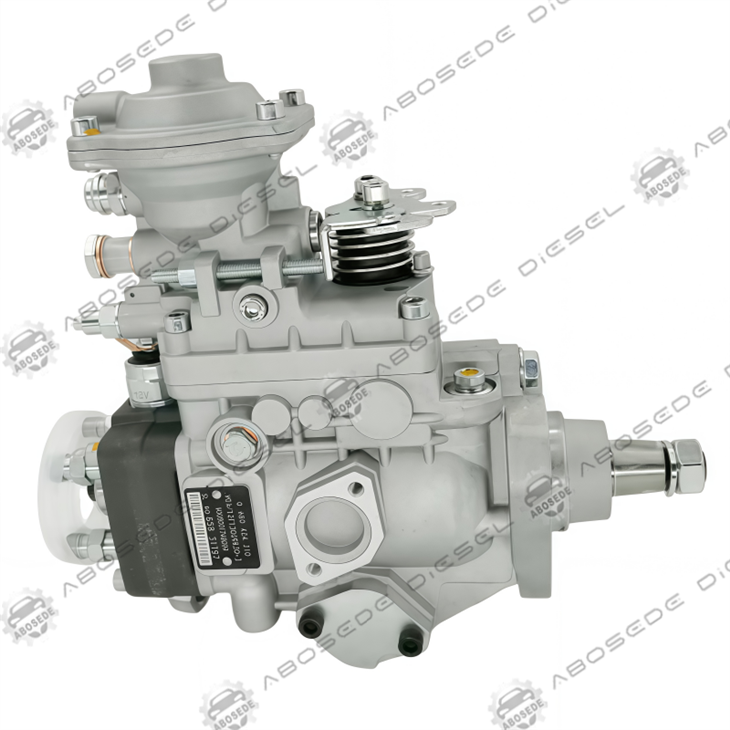

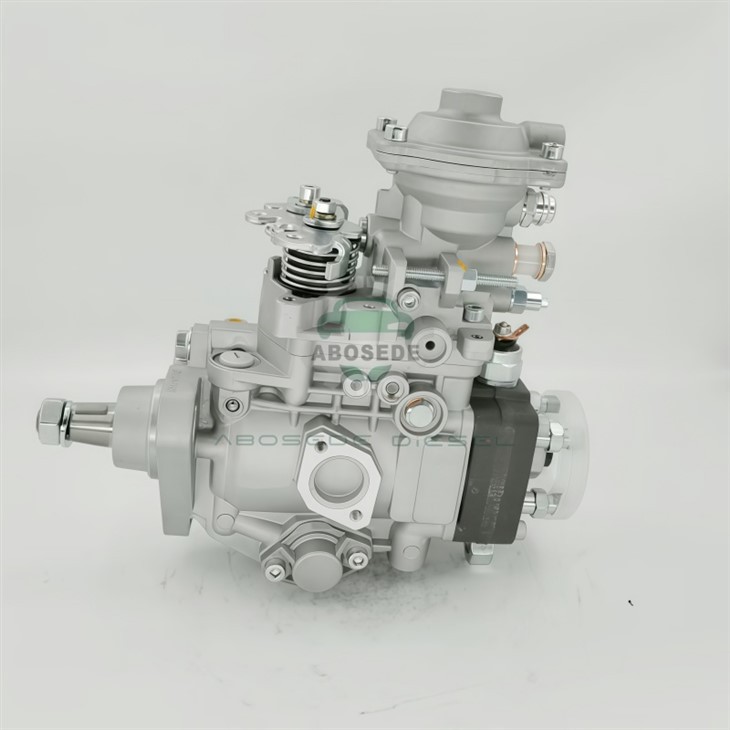
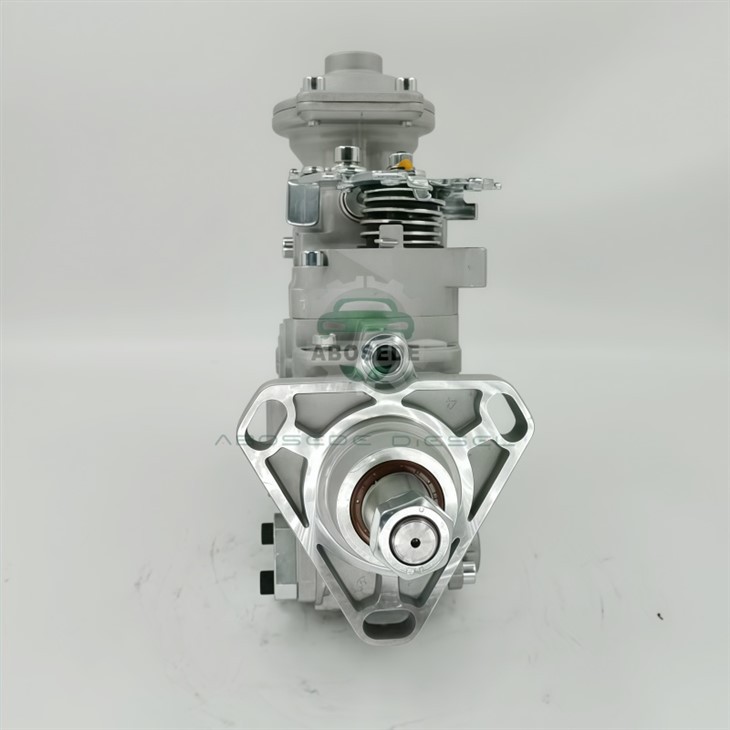
Bosch 0460424210 / 6008001748000 CP3 Pump: Diesel Lubricity Limits, Plunger Clearance Wear & Volumetric Efficiency Loss
1. Product: 0460424210 / 6008001748000
2. Compatible Equipment: Diesel Fuel Injection Systems
3. Manufacturer: Aftermarket OEM Replacement
4. Condition: Brand New, Fully Tested
5. Origin: ABOSEDE Diesel
6. Shipping period: 3-5 business days
7. Payment terms: T/T, Western Union, PayPal
- Fast Delievery
- Quality Assurance
- 24/7 Customer Service
Product Introduction
CP3 pump failure is rarely sudden. It begins with lubricity. The Bosch 0460424210 / 6008001748000 is a CP3 radial-piston high-pressure pump referenced for Mercedes OM642 and certain VW/Audi 3.0 TDI applications. Unlike gear-driven pumps with external oil lubrication, the CP3 relies on diesel fuel to lubricate and cool its plungers, cam plate and drive bearings. When fuel lubricity drops - through ultra-low sulphur diesel, excessive biodiesel, water contamination or additive depletion - the protective film between plunger and barrel breaks down. Clearance grows from the specified 3–5 µm, volumetric efficiency falls, and rail pressure becomes harder to hold. This guide focuses on lubricity limits, plunger clearance wear, volumetric efficiency loss, SCV contamination and installation verification.
📌 Fitment & Platform Correction
The URL slug references a VE4 distributor pump, but the product is a CP3 common-rail high-pressure pump. That entity conflict must be corrected before indexing improves. The 0460424210 / 6008001748000 is commonly referenced for Mercedes OM642 3.0L V6 CDI and certain VW/Audi 3.0 TDI V6 applications. It should not be listed as a universal pump for every Mercedes, VW, Audi, Porsche or Chrysler diesel. Confirm engine code, ECU calibration, pump drive ratio, drive spline, SCV type, inlet/outlet fitting size and pressure-limiting valve setting before ordering. Also confirm condition: new, remanufactured or core-exchange.
📊 Lubricity & Wear Data
| Parameter | Service target | Diagnostic meaning |
|---|---|---|
| Pump type | CP3 radial piston, 3 plungers | Platform identification |
| Plunger diameter | ≈ 9.0 mm | Displacement per revolution |
| Plunger clearance | ≈ 3–5 µm new | Leakage and volumetric efficiency |
| Displacement per revolution | ≈ 0.94 cc | Flow capacity |
| Maximum rail pressure | ≈ 1,800 bar | Pressure authority |
| Delivery rate @ 3,000 rpm | ≈ 380 L/h | High-load supply margin |
| Pressure ripple | ≤ 3% deviation | Rail stability |
| SCV type | Normally open, PWM controlled | Inlet fuel metering |
| SCV PWM frequency | ≈ 200–400 Hz | Response and stability |
| Inlet screen | ≈ 120 µm | SCV and plunger protection |
| Drive connection | 14-tooth spline, verify ratio | Mechanical fitment |
| HFRR wear scar limit | ≤ 460 µm per EN 590 | Diesel lubricity boundary |
🛢️ Diesel Lubricity: The Hidden Wear Variable
Ultra-low sulphur diesel removes sulphur, which also removes some natural lubricity. EN 590 specifies an HFRR wear scar of no more than 460 µm at 60°C. Fuel that exceeds this limit accelerates plunger and cam plate wear. The CP3 has no separate oil circuit, so the fuel film is the only protection between moving surfaces. When lubricity drops, the plunger does not seize immediately. It wears slowly. Clearance increases, internal leakage rises, and volumetric efficiency falls. The ECU compensates with higher SCV duty cycle, but correction authority is limited. Eventually rail pressure deviates, P0087 appears, and the pump is condemned - even though the root cause was fuel quality.