


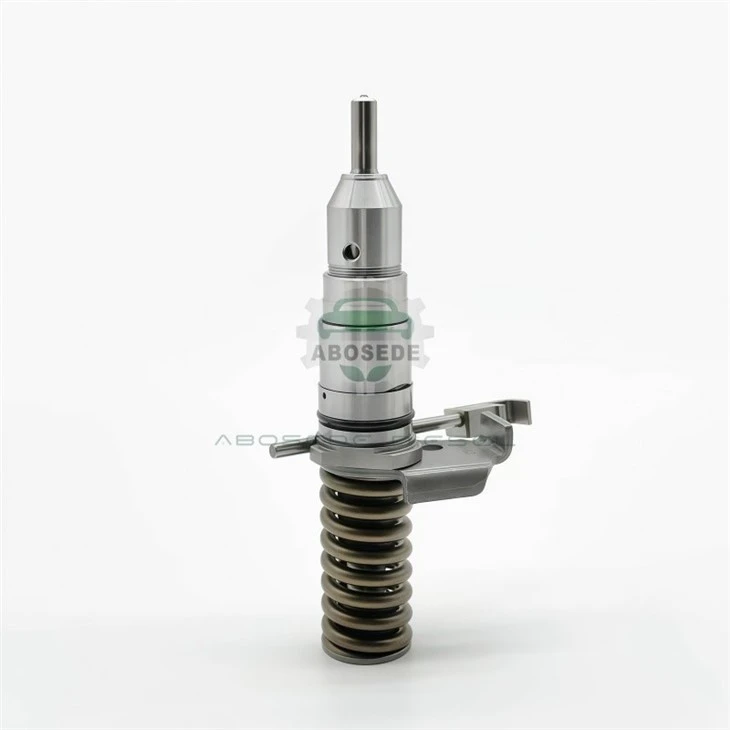
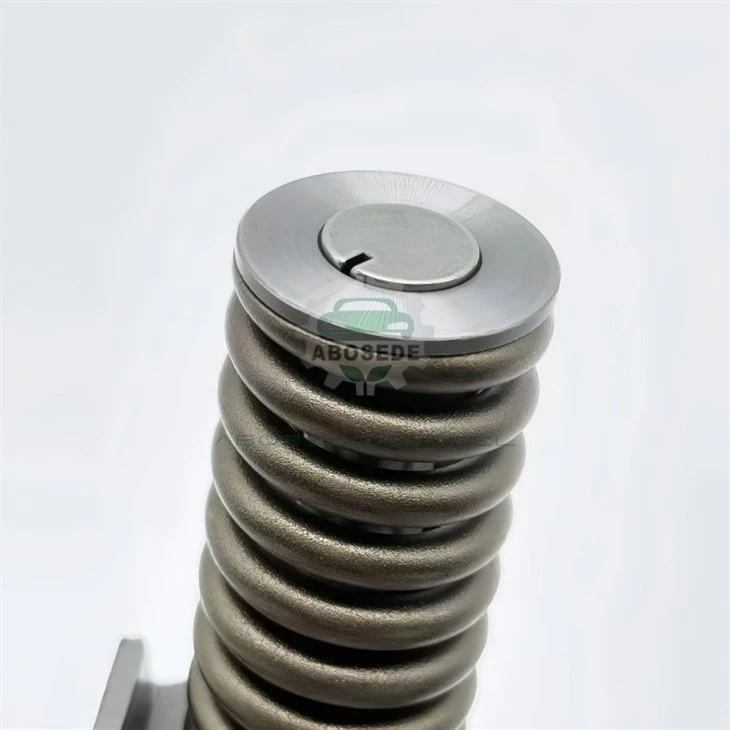


OEM 0R-8477 Mechanical Diesel Injector | Precision Rebuild For Caterpillar 3116 & 3126 Engines | High-Performance Atomization & Durability
1. Product:0R-8477
2. Compatible Equipment: Diesel Fuel Injection Systems
3. Manufacturer: Aftermarket OEM Replacement
4. Condition: Brand New, Fully Tested
5. Origin: ABOSEDE Diesel
6. Shipping period: 3-5 business days
7. Payment terms: T/T, Western Union, PayPal
- Fast Delievery
- Quality Assurance
- 24/7 Customer Service
Product Introduction
In the hierarchy of heavy-duty propulsion, the Caterpillar 3116 and 3126 engines hold a legendary status. They represent an era where durability was valued over digital complexity. At the heart of these engines lies the 0R-8477 mechanical diesel injector, a component that serves as the critical link between the fuel tank and the combustion chamber.
Unlike modern High-Pressure Common Rail (HPCR) systems that rely on fragile solenoids and complex wiring harnesses, the 0R-8477 is a masterpiece of mechanical autonomy. It is a self-contained pumping unit, driven by the camshaft and governed by physics. This product detail page explores the 0R-8477 not just as a replacement part, but as a vital component of the engine's "mechanical brain," ensuring that power delivery remains consistent, efficient, and reliable in the harshest operating environments.
🌊 The Physics of Spray: Advanced Atomization
The efficiency of a diesel engine is directly proportional to the quality of its air-fuel mixture. The 0R-8477 is engineered to optimize atomization-the process of breaking bulk diesel liquid into a fine, combustible mist.
Inside the injector body, the camshaft lobe pushes the plunger downward, creating immense hydraulic pressure. This pressure forces the diesel through the microscopic orifices of the nozzle tip. The 0R-8477 utilizes a precision-ground, multi-hole nozzle that creates a uniform spray cone. This ensures that the diesel penetrates the combustion bowl effectively, reaching all corners of the cylinder for a complete burn. Proper atomization reduces "wet stacking" (unburned fuel) and minimizes the carbon buildup that can plague older mechanical engines.
⚙️ Structural Integrity: The Internal Mechanism
The 0R-8477 is a complex assembly of springs, valves, and precision-machined steel. Understanding its structure helps in understanding its maintenance.
The Plunger and Barrel: These are the most critical components. Lapped to a clearance of less than 2 microns, they operate with a fit so precise that the diesel itself acts as the lubricant. This tight tolerance prevents pressure bleed-off during the injection stroke.
The Helix and Rack: The plunger features a helical groove. As the engine governor moves the fuel rack, the plunger rotates. This rotation alters the effective stroke of the plunger, mechanically metering the exact amount of diesel required for the current load.
The Spring Pack: A calibrated spring determines the "cracking pressure"-the specific pressure point at which the nozzle valve lifts to release the spray. This ensures injection occurs only when cylinder pressure is optimal.
🚜 Application Ecosystem
The 0R-8477 is not limited to a single type of vehicle. Its robust design makes it the preferred choice for a wide range of heavy-duty applications where the 3116 and 3126 engines are deployed.
Vocational Trucks: Garbage trucks, dump trucks, and concrete mixers that operate in stop-and-go cycles, placing high stress on the injection system.
Marine Auxiliary: Generator sets and propulsion engines in marine environments, where the mechanical simplicity of the 0R-8477 resists corrosion and electrical interference.
Agricultural Equipment: Combines and tractors operating in high-dust environments. The lack of sensitive electronic circuitry makes this injector highly resistant to environmental failure.
Industrial Power: Air compressors and pumps that require consistent torque and reliability over thousands of operating hours.
Key Insight: The 0R-8477 is designed for "dirty" environments. Its mechanical nature makes it immune to the electrical shorts and ECU errors that can plague modern Common Rail systems.