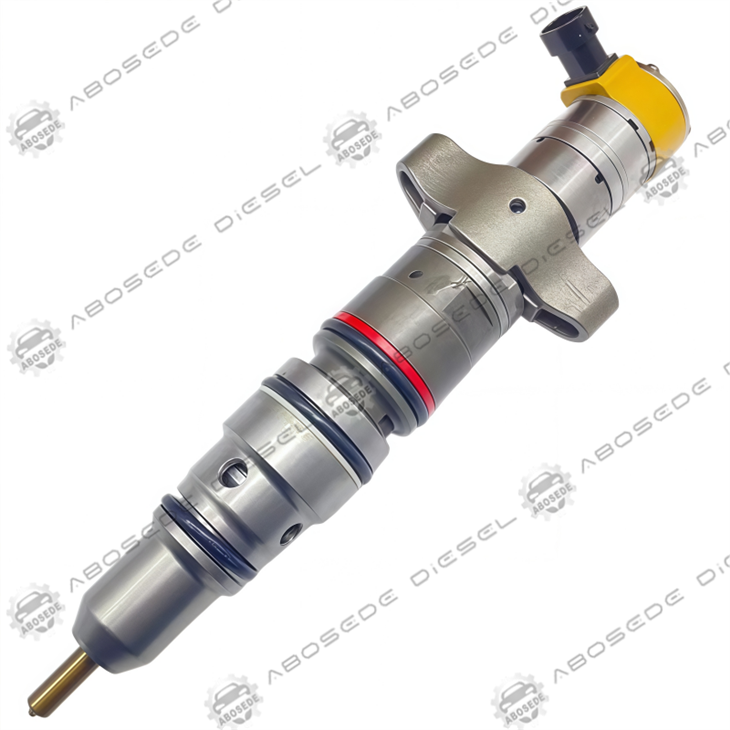
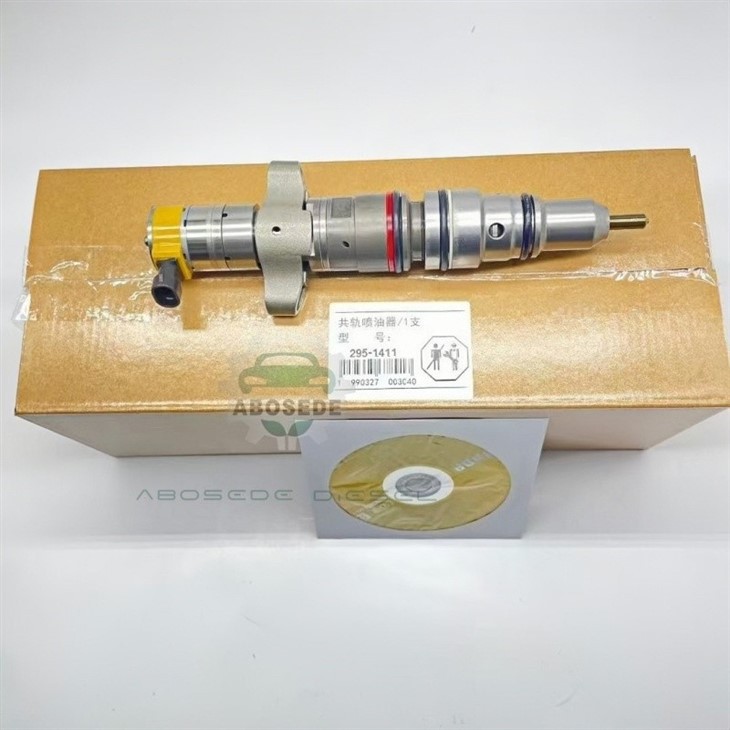
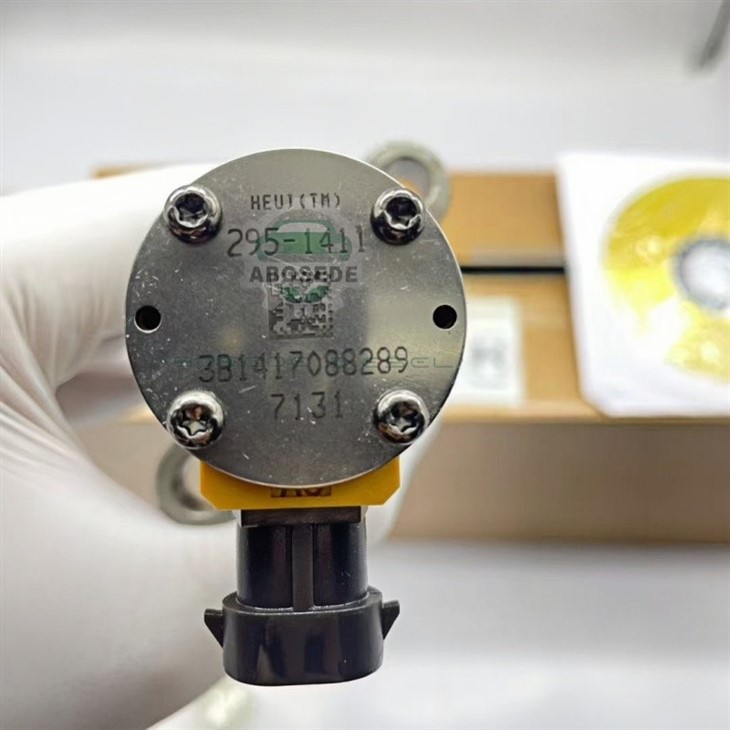
295-1411 Common Rail Injector Engineering Fuel Behavior: A Control-Oriented Perspective For Modern Diesel Systems
video
295-1411 Common Rail Injector Engineering Fuel Behavior: A Control-Oriented Perspective For Modern Diesel Systems

295-1411 Common Rail Injector Engineering Fuel Behavior: A Control-Oriented Perspective For Modern Diesel Systems

1. Product:295-1411
2. Compatible Equipment: Diesel Fuel Injection Systems
3. Manufacturer: Aftermarket OEM Replacement
4. Condition: Brand New, Fully Tested
5. Origin: ABOSEDE Diesel
6. Shipping period: 3-5 business days
7. Payment terms: T/T, Western Union, PayPal

  • Fast Delievery
  • Quality Assurance
  • 24/7 Customer Service
Product Introduction

In today's diesel ecosystem, the real challenge is not generating pressure-it's controlling how that pressure translates into combustion quality. The 295-1411 common rail injector is designed precisely for this purpose: transforming raw fuel pressure into predictable, repeatable, and optimized combustion events.

Instead of starting from traditional specs, let's approach this injector from a different angle-as a control interface between electronic logic and mechanical combustion.


🔄 System Role Reimagined: The Injector as a Translator

Within a diesel common rail system, the 295-1411 functions as:

➤ A signal executor (responding to ECU commands)
➤ A flow regulator (precisely metering fuel volume)
➤ A spray architect (defining combustion geometry)

This layered functionality allows engines to achieve:

✔ Adaptive fuel delivery under varying loads
✔ Reduced delay between command and injection
✔ Consistent combustion cycles across RPM ranges

In essence, it acts as the final decision-maker in the fuel delivery chain.

🚀 Application Scenarios: Performance Under Real Conditions

Rather than listing industries, let's explore operational environments where the 295-1411 excels:

◆ High-Load Continuous Operation

Ideal for engines running long hours (e.g., transport fleets), where thermal stability and consistent injection timing are crucial.

◆ Variable Torque Demand

In machinery with fluctuating workloads, the injector ensures instant adaptation to fuel demand changes.

◆ Emission-Sensitive Systems

Supports engines operating under strict emission standards by enabling precise fuel-air mixing.

◆ Cold Start Environments

Improved atomization helps achieve more reliable ignition in low temperatures.

🧩 Structural Intelligence: What Makes It Different?

The 295-1411 injector incorporates several subtle yet impactful design elements:

Optimized needle movement dynamics
High-precision sealing surfaces
Advanced nozzle hole distribution

These features collectively:

✔ Minimize internal leakage
✔ Enhance spray uniformity
✔ Maintain pressure integrity

This is not just durability-it's predictable performance over time.

📊 Performance Interpretation

Let's translate technical performance into real-world benefits:

⬢ Fuel Efficiency Stabilizer

Maintains accurate fuel delivery even under partial load, reducing unnecessary consumption.

⬢ Emission Reduction Enabler

Fine atomization leads to cleaner combustion, lowering soot and NOx output.

⬢ Engine Smoothness Enhancer

Multi-phase injection reduces vibration and noise during operation.

⬢ Maintenance Cost Optimizer

Stable internal components reduce wear frequency and downtime.

🔧 Installation Logic: Think System, Not Just Component

When installing the 295-1411, consider the entire fuel ecosystem:

✔ Ensure high-quality filtration (≤ 5 microns recommended)
✔ Check rail pressure sensor calibration
✔ Use compatible ECU mapping profiles
✔ Replace O-rings and sealing washers

Key Reminder:
Even a high-performance injector cannot compensate for system-level contamination or misalignment.

❓ Frequently Asked Questions

1. Is the 295-1411 suitable for high-mileage engines?

Yes. Its stable injection characteristics make it ideal for engines with extended operational cycles, provided maintenance is consistent.

2. How does it affect fuel consumption in real use?

Users typically observe improved fuel economy due to precise metering and reduced over-injection.

3. Can it be used in retrofit applications?

In many cases, yes-but compatibility with ECU calibration and rail pressure settings must be verified.

4. What maintenance interval is recommended?

Inspection every 100,000–150,000 km is advisable, depending on fuel quality.

5. Does fuel type impact performance?

Absolutely. Low-quality diesel can lead to nozzle clogging and reduced atomization efficiency.

6. What testing methods are used before installation?

Professional setups include:

Injector flow testing

Leak-back analysis

Spray pattern inspection

202510091606539026


2

3

4


Flexible Payment Methods for Your Convenience


To make your purchasing experience smooth and easy, we offer a variety of secure payment options:

product-750-750

Bank Transfer

Pay directly in 15 supported currencies.

west union

Western Union

Quick and global money transfers.

PayPalLogo2014-1024x1014

PayPal

Safe and convenient online payment.

ae99cd49-2667-464e-b9db-b39cee0126e1

Alibaba

Enjoy extra protection with trusted Alibaba transactions.

We're here to make your order process worry-free - choose the payment method that works best for you!


Shipping Made Simple

6

Customer reviews


8

Hot Tags: 295-1411 common rail injector engineering fuel behavior: a control-oriented perspective for modern diesel systems, China 295-1411 common rail injector engineering fuel behavior: a control-oriented perspective for modern diesel systems manufacturers, suppliers, factory

You Might Also Like

(0/10)

clearall