


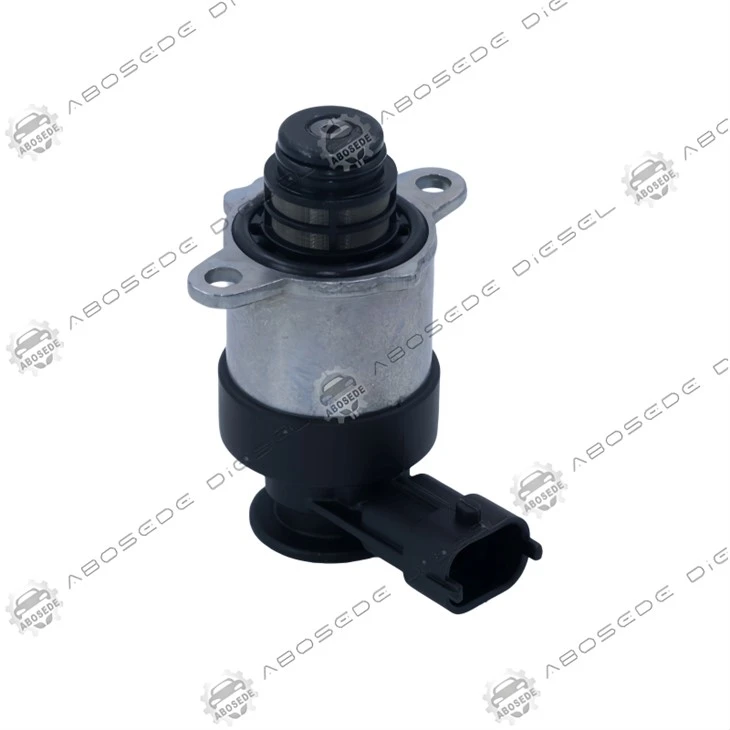

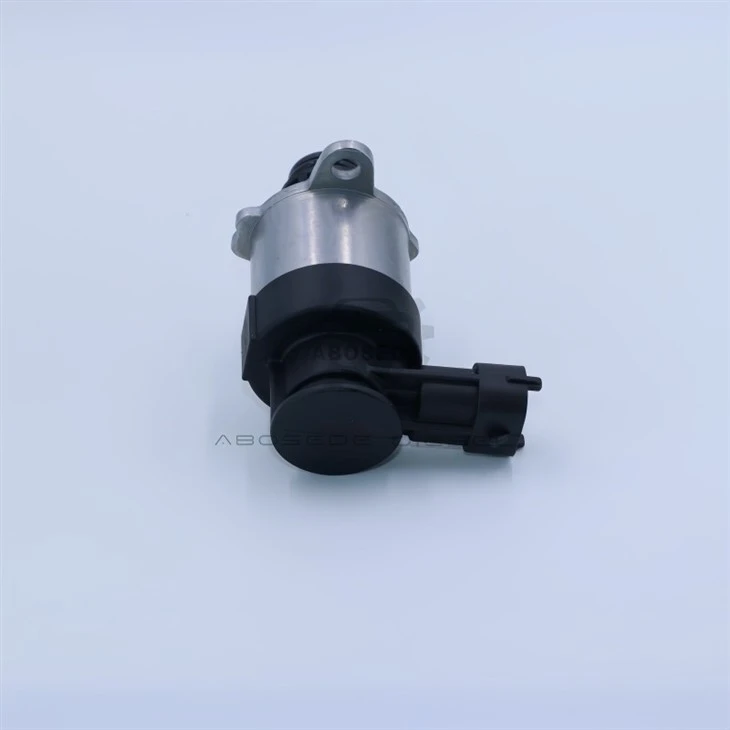
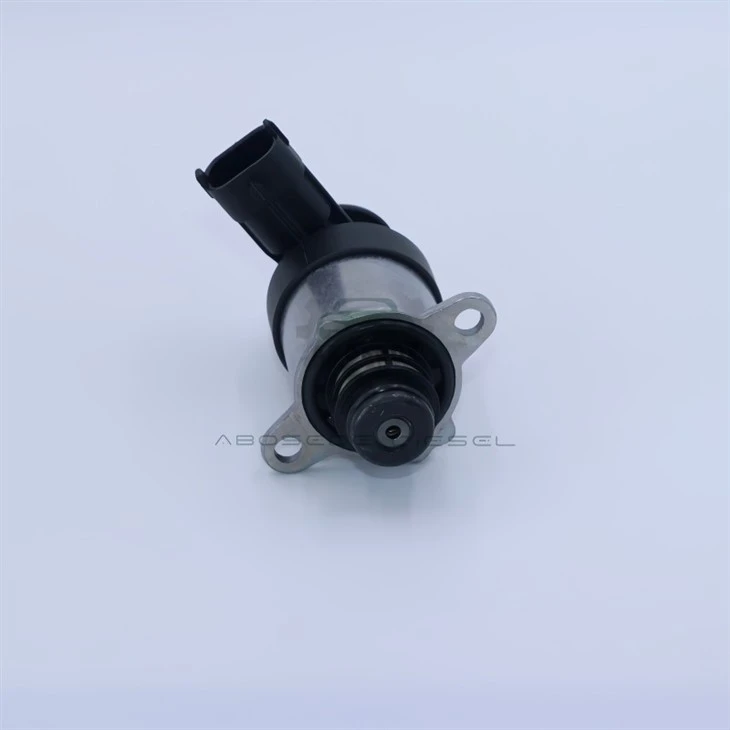
0928400743 Bosch Fuel Metering Valve – Stable DPF Regeneration Support & Soot Load Control For CP3/CP1H Pumps On Heavy-Duty Diesel Engines
1. Product:0928400743
2. Compatible Equipment: Diesel Fuel Injection Systems
3. Manufacturer: Aftermarket OEM Replacement
4. Condition: Brand New, Fully Tested
5. Origin: ABOSEDE Diesel
6. Shipping period: 3-5 business days
7. Payment terms: T/T, Western Union, PayPal
- Fast Delievery
- Quality Assurance
- 24/7 Customer Service
Product Introduction
The 0928400743 is a Bosch inlet metering valve for CP3 and CP1H high-pressure common rail pumps. One of its most important but often overlooked roles is supporting the diesel particulate filter (DPF) regeneration process. Active DPF regeneration requires the engine computer to raise exhaust temperature by injecting a precise amount of fuel during the exhaust stroke - the post-injection event. This extra fuel must be delivered without disturbing the main injection that keeps the truck moving. The metering valve controls how much fuel enters the high-pressure pump for all injection events combined. If the valve cannot hold a steady flow during regeneration, rail pressure becomes unstable. The post-injection quantity drifts away from the target. The DPF either does not get hot enough to burn off soot, or it overheats, causing thermal stress. Incomplete regenerations mean the process repeats more often, which wastes fuel and increases oil dilution. The 0928400743 is calibrated to provide consistent fuel flow during the demanding conditions of active regeneration - stable pressure, accurate pilot and post-injection quantities, and fewer interrupted cycles. This valve fits heavy-duty diesel engines using Bosch CP3 or CP1H high-pressure pumps.
How DPF Regeneration Depends on Fuel Delivery Accuracy
During active regeneration, the engine computer commands a series of precisely timed injections. The main injection produces power. A late post-injection sprays fuel that ignites in the exhaust system, heating the DPF to around 600°C. If the rail pressure is unstable, the post-injection quantity varies from cycle to cycle. Too little fuel, and the DPF does not reach the required temperature - soot is not burned, and the regeneration attempt fails. Too much fuel, and the DPF can overheat, potentially cracking the ceramic substrate. The computer monitors exhaust temperature and adjusts the regeneration strategy accordingly. If repeated failures occur, the computer may illuminate a warning lamp and eventually derate the engine. The metering valve's flow stability during these rapid changes in total fuel demand is what keeps rail pressure flat and the post-injection quantity accurate. The 0928400743 is built to maintain this stability under the varying load and speed conditions typical of highway trucks during regeneration.
The Link Between Valve Performance and Regeneration Frequency
When a metering valve loses precision, regeneration cycles become less efficient. The computer compensates by extending regeneration duration or triggering additional regeneration attempts. This has direct consequences for operating cost. More regeneration means more fuel consumed purely for exhaust heating. It also means more fuel that can wash past the piston rings into the engine oil, diluting the oil and shortening its service life. In severe cases, oil dilution from excessive regeneration can lead to bearing damage. A valve that supports clean, complete regenerations - like the 0928400743 - helps keep regeneration frequency and duration at the levels the engine manufacturer intended. Fleet operators who track fuel consumption and regeneration intervals often see both return to normal after replacing a worn metering valve with one that provides stable post-injection control.
Balancing High and Low Flow in One Engine Cycle
A single engine cycle can include up to five injection events: pre-pilot, pilot, main, post, and sometimes a second post-injection. The metering valve must supply the total fuel volume for all of these, even though the main injection may consume 90% of the fuel and the post-injection only 2–3%. This wide dynamic range tests a valve's low-flow precision and its ability to transition quickly. If the valve has a dead spot in its response - a duty cycle range where small adjustments produce no flow change - the computer struggles to hit the tiny post-injection quantity without overshoot. The 0928400743's flow calibration ensures a smooth, linear response across the full duty cycle range. Small changes in command produce small, predictable changes in flow. This allows the computer to add the post-injection fuel without disturbing the main injection event.
Simple Diagnostic Observations
A failing metering valve can cause regeneration problems that are visible in scan tool data. Two parameters to check: the regeneration frequency and the rail pressure during regeneration. If the regeneration interval is shorter than the manufacturer's typical range - for example, a truck regens every 150 km instead of every 400–500 km - the valve may be contributing to incomplete burns. Watch the rail pressure actual value during an active regeneration on a scan tool. A steady pressure trace within ±3 MPa of target is normal. A trace that shows regular dips or spikes during regeneration indicates the valve is struggling to match fuel delivery to demand. If these symptoms appear alongside a hot idle duty cycle that has crept above 30%, the metering valve is a strong candidate for replacement.
Frequently Asked Questions
Q1: My truck's DPF regenerates much more often than it used to - sometimes twice a day instead of once a week. The workshop says the DPF itself is fine. Could the metering valve be the cause?
Yes. If the metering valve cannot hold stable rail pressure during regeneration, the post-injection quantity is wrong. The DPF may reach only 500°C instead of 600°C, leaving soot partially unburned. The computer detects this and triggers another regeneration sooner than normal. Replacing a worn metering valve with the 0928400743 often restores normal regeneration intervals.
Q2: Does frequent regeneration damage the engine?
Frequent regeneration itself does not directly damage the engine, but it increases fuel dilution of the engine oil because unburned post-injection fuel can wash past the rings. Over time, diluted oil loses its lubricating properties and can lead to increased engine wear. Fixing the root cause - unstable fuel delivery - protects both the aftertreatment system and the engine.
Q3: Can a metering valve problem be mistaken for a blocked DPF?
Yes. Both can cause frequent regeneration and eventually a warning lamp. A blocked DPF typically shows a high differential pressure reading. If the differential pressure is within specification but regeneration is frequent and rail pressure is unstable during the event, the metering valve is more likely the cause than a physically blocked filter.
Q4: How does the 0928400743 help during a forced regeneration performed in the workshop?
During a stationary forced regeneration, the engine runs at a fixed speed and load while the computer controls the regeneration process. The metering valve must provide steady fuel flow with no vehicle movement to vary the load. A valve that works acceptably on the road may show instability during a stationary regeneration because the duty cycle remains at a single point for a long period. The 0928400743's linear, stable flow at constant duty cycles supports successful forced regeneration.
Q5: Does the 0928400743 require any special adaptation for regeneration performance?
No. The valve's regeneration-related performance depends on its mechanical flow calibration, which is set at the factory. The only electronic step required after installation is the standard ECM fuel trim reset. The valve then supports regeneration as part of its normal operation.
Q6: Can bad fuel cause regeneration problems that look like a metering valve fault?
Yes. Poor-quality fuel with low cetane number or high contaminants can cause incomplete combustion and increased soot production, overloading the DPF independently of the metering valve. If regeneration problems appear suddenly after a fuel fill, test the fuel before replacing components. A metering valve problem typically develops gradually over time.


Flexible Payment Methods for Your Convenience
To make your purchasing experience smooth and easy, we offer a variety of secure payment options:

Bank Transfer
Supports multiple currenciesand bank payment methods.

Western Union
Quick and global money transfers.

PayPal
Safe and convenient online payment.

Alibaba
Enjoy extra protection with trusted Alibaba transactions.
We're here to make your order process worry-free - choose the payment method that works best for you!
Shipping Made Simple

Customer reviews

Hot Tags: 0928400743 bosch fuel metering valve – stable dpf regeneration support & soot load control for cp3/cp1h pumps on heavy-duty diesel engines, China 0928400743 bosch fuel metering valve – stable dpf regeneration support & soot load control for cp3/cp1h pumps on heavy-duty diesel engines manufacturers, suppliers, factory, 0445120066, Bosch CR Injectors, bosch valve, Bosch Volvo Deutz Renault, F00BC80045, Fuel Injector Valve
You Might Also Like
-

0928400745 Bosch Fuel Metering Valve – Hydraulically...
-

0928400584 Bosch Fuel Metering Valve – Fuel Compatib...
-

0928400712 Bosch Inlet Metering Valve – Contaminant ...
-

0281006246 – Data-Driven Control For Smarter Diesel ...
-

Bosch 0445224047 — Common-Rail Fuel Distributor Pipe...
-

Common-rail Pressure Sensor 0281002909 For Bosch– Ac...
