


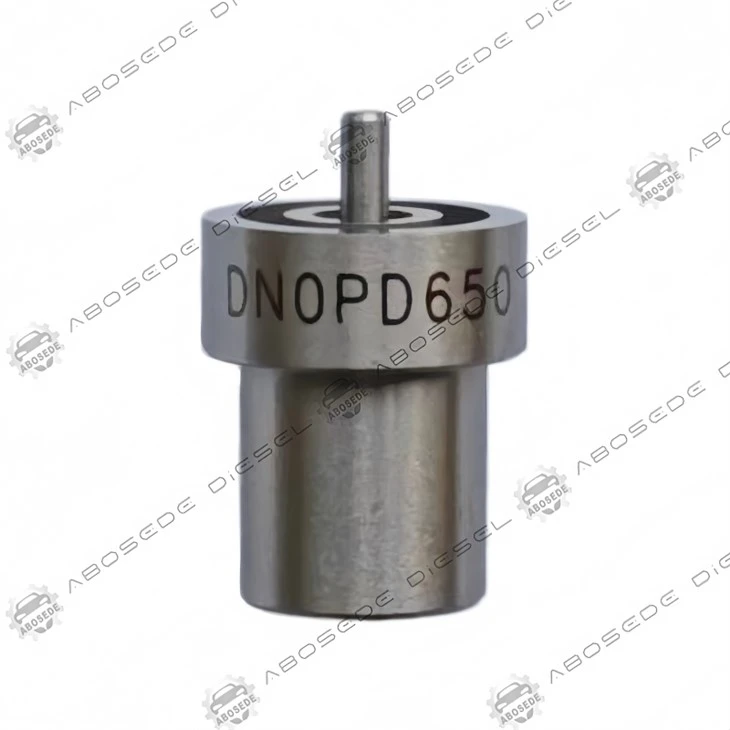

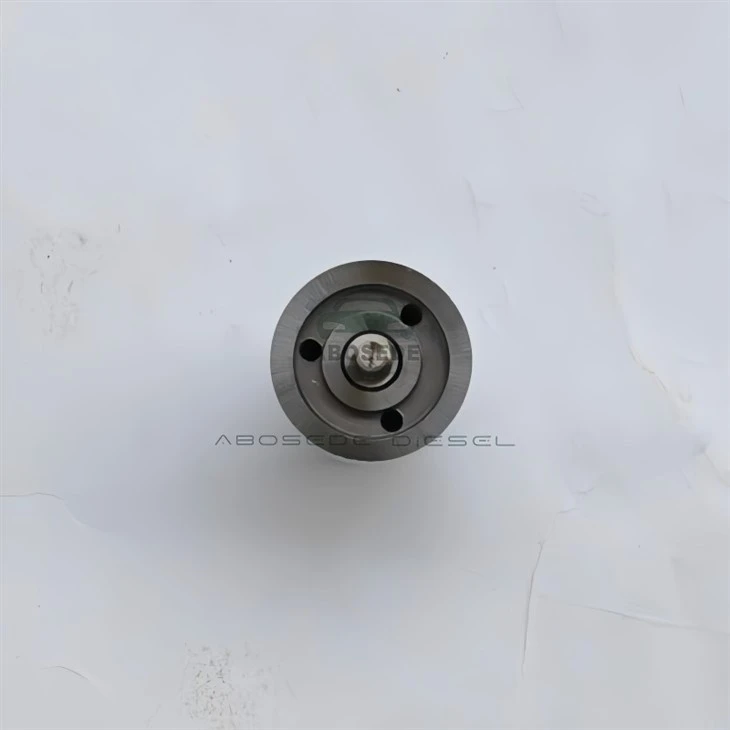
Abosede DNOPD650 – The Nozzle That Delivers Consistent Fuel Mass Across Multiple Injection Events
1. Product:DNOPD650
2. Compatible Equipment: Diesel Fuel Injection Systems
3. Manufacturer: Aftermarket OEM Replacement
4. Condition: Brand New, Fully Tested
5. Origin: ABOSEDE Diesel
6. Shipping period: 3-5 business days
7. Payment terms: T/T, Western Union, PayPal
- Fast Delievery
- Quality Assurance
- 24/7 Customer Service
Product Introduction
In a modern common-rail engine, the ECU does not command a single injection event - it commands a sequence of pilot, main, and post injections, each with a specific timing and quantity. The nozzle must deliver the same fuel mass for each event, regardless of the pressure fluctuations that occur between events. The Abosede DNOPD650 is a precision-ground nozzle that is specifically designed for applications requiring multiple injection strategies, where the pilot injection quantity must be stable and repeatable. Its hydraulic design is optimised to reduce the pressure wave interactions that can cause variations in the injected quantity from one pulse to the next, ensuring that the combustion is clean, quiet, and consistent across all cylinders.
The Challenge of Multiple Injections – Pressure Wave Interference
When an injector opens and closes, it creates a pressure wave in the high-pressure line and the rail. This wave travels back and forth, and if the next injection event occurs before the wave has dissipated, the pressure at the nozzle is different from the pressure that the ECU assumed. This difference changes the fuel mass delivered by the nozzle. The DNOPD650 addresses this through a combination of a reduced sac volume and a specifically designed hole entry geometry. The reduced sac volume – approximately 0.5 mm³ – limits the amount of fuel that remains in the nozzle after the needle closes, reducing the pressure wave amplitude. The hole entry is designed with a smooth radius that reduces the pressure drop across the nozzle, making the flow less sensitive to the upstream pressure fluctuations. The result is a nozzle that delivers the same fuel mass at the beginning of a multiple injection sequence as at the end.
The Flow Stability – How the Nozzle Maintains Consistency
The stability of the fuel mass is determined by the nozzle's dynamic flow coefficient. This coefficient describes how the flow changes with the needle lift and the injection pressure. A nozzle with a flow coefficient that is stable across the operating pressure range will deliver a consistent fuel mass, regardless of the pressure fluctuations. The DNOPD650 has a flow coefficient that is flat across the 250-1,800 bar range, meaning that a pressure fluctuation of 100 bar will change the injected quantity by less than 2 %. This stability is a result of the nozzle's hole geometry – a ratio of hole length to diameter of approximately 4.5:1 – which smooths the flow and reduces the sensitivity to pressure variations. The nozzle holes are also flow-tested individually to ensure that each hole delivers the same flow, minimising the cylinder-to-cylinder variation.
Wear Patterns – The Effect on Flow Stability
As the nozzle wears, the flow coefficient changes, and the stability of the multiple-injection sequence is reduced. The most common wear pattern is a rounding of the hole exit edges caused by the high-velocity fuel. This rounding increases the flow rate but reduces the stability – the fuel mass becomes more sensitive to pressure fluctuations. The DNOPD650 is manufactured with a hardened material that resists this rounding, and the nitriding treatment provides a hard surface layer that extends the wear life. The nozzle is also coated with a thin layer of chromium nitride on the seat area, which reduces the wear rate at the needle seat – a common cause of leakage that affects the pilot injection quantity.
Installation – The Setting That Affects Stability
Installing the DNOPD650 requires precise setting of the needle lift and the nozzle nut torque. The needle lift determines the maximum opening area of the nozzle, and if the lift is incorrect, the flow characteristic is altered. The correct lift is typically achieved with a shim that is selected based on the injector body – the DNOPD650 is supplied with a shim that matches the nominal lift of 0.38 mm. The nozzle nut torque must be within the specified range, as an over-torqued nut can distort the nozzle body and change the hydraulic geometry. The correct torque is 85 Nm for the nozzle nut, and the nut should be tightened in a single, smooth motion to avoid binding.
Frequently Asked Questions
Q1: How can I tell if my nozzle has lost its flow stability without a bench test?
→ Monitor the combustion noise and the particulate emissions. If the engine is louder than usual or produces more soot, the multiple injection strategy may be compromised. Also, check the pilot injection correction values – if the ECU is applying a large correction to one or more cylinders, the nozzle flow may be unstable.
Q2: Can I use the DNOPD650 in a lower-flow engine?
→ No. The DNOPD650 has a higher flow rate than the DNOPDN112, and fitting it to an engine that requires a lower flow will cause over-fuelling and high smoke output. Always use the nozzle specified for the engine.
Q3: Why does my engine have a rough idle even though the injectors are balanced?
→ The pilot injection quantity may be inconsistent – this is often caused by a nozzle that has lost its flow stability. The rough idle is a symptom of uneven pilot injection, and a new nozzle with stable flow is the solution.
Q4: What is the recommended replacement interval for this nozzle in a Scania truck?
→ With regular fuel filter changes (every 25,000 km), the nozzle will maintain its performance for 300,000-350,000 km. In applications with high biodiesel blends or variable fuel quality, replacement at 250,000 km is recommended.
Q5: Does the nozzle require a specific fuel pressure for the spray pattern to be correct?
→ The nozzle is designed to operate across the 250-2,000 bar range, but the spray pattern is most consistent at pressures above 800 bar. If the rail pressure is consistently below this, the atomization may be poor. The nozzle's performance is not the cause of poor atomization – the issue is the pressure.
Q6: I installed a new DNOPD650 but the engine still has a combustion knock on cold start – is the nozzle defective?
→ Cold start knock is often caused by the pilot injection quantity being too small or too large. The ECU uses the injector calibration to set the pilot quantity. If the nozzle is correct, the issue may be in the injector body – check the control piston and the spring for wear. The nozzle itself is rarely the cause of cold start knock if it is new and correctly installed.


Flexible Payment Methods for Your Convenience
To make your purchasing experience smooth and easy, we offer a variety of secure payment options:

Bank Transfer
Supports multiple currenciesand bank payment methods.

Western Union
Quick and global money transfers.

PayPal
Safe and convenient online payment.

Alibaba
Enjoy extra protection with trusted Alibaba transactions.
We're here to make your order process worry-free - choose the payment method that works best for you!
Shipping Made Simple

Customer reviews

Hot Tags: abosede dnopd650 – the nozzle that delivers consistent fuel mass across multiple injection events, China abosede dnopd650 – the nozzle that delivers consistent fuel mass across multiple injection events manufacturers, suppliers, factory, abosede nozzle
You Might Also Like
-

Abosede DNOPDN112 – The Nozzle That Shapes The Spray...
-

G4S033 Injector Nozzle: Timing The Perfect Combustio...
-

DLLA149P174 Diesel Injector Nozzle — Sharp Fuel Cont...
-

DSLA145P006 — Precision Diesel Injector Nozzle
-

DSLA148P062 Diesel Fuel Injector Nozzle Tip Sprayer ...
-

G3P006 Nozzle For Denso Common Rail Injector 295900-...
